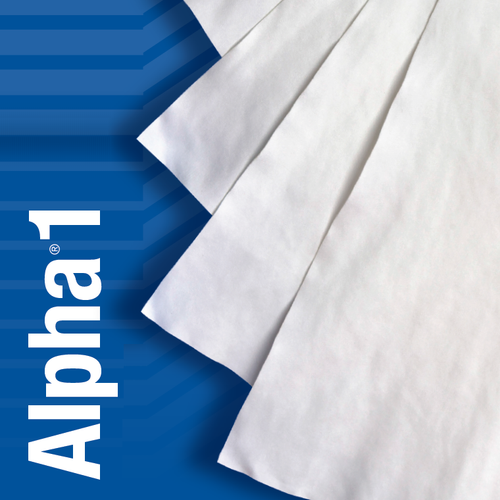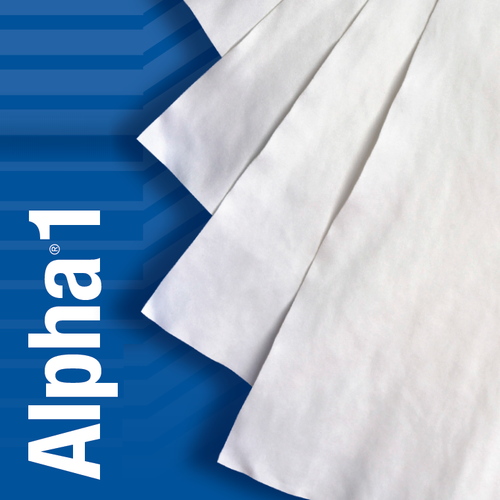
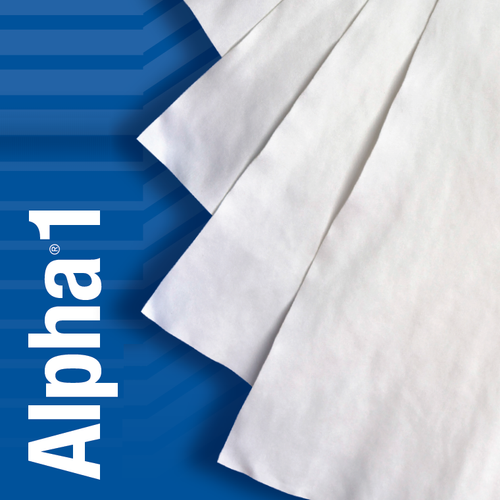
Texwipe STX1209 Sterile Alpha 1 Microfiber 9" x 9" Polyester and Nylon Cleanroom Wiper

Discontinued by Texwipe

(No reviews yet)
SKU:
STX1209 BAG
Availability:
21-30 Business Days
Quantity Option (Bag):
100 Wipers Per Bag (4 Inner Bags of 25 Wipers)
Quantity Option (Case):
5 Bags of 100 Wipers Per Case
Type:
Dry Wiper
Wiper Family:
Alpha 1
Wiper Material:
Microfiber (Poly/Nylon)
Wiper Size:
9" x 9"
Wiper Edge:
Sealed Edge
Sterile:
Yes
ISO Class:
ISO 3 (Class 1)
ISO Class:
ISO 4 (Class 10)
ISO Class:
ISO 5 (Class 100)
ISO Class:
ISO 6 (Class 1,000)
ISO Class:
ISO 7 (Class 10,000)
ISO Class:
ISO 8 (Class 100,000)

STX1209 Sterile Alpha 1 Microfiber 9" x 9" Polyester/Nylon Cleanroom Wiper (Sealed Edge)

STX1209 Sterile Alpha 1 Microfiber is low-linting (no wiper is truly ‘zero-lint’ in every process condition), sealed-edge microfiber wiper used for critical cleaning and wiping in controlled environments—especially on surfaces susceptible to scratching. It is made from 80% polyester / 20% nylon microfiber, cleanroom manufactured, and supplied sterile (gamma irradiated) for aseptic and high-control wipe-down workflows.

Status note: This SKU is listed as discontinued by Texwipe. If you are qualifying a program, consider the non-sterile TX1209 or other sterile sealed-edge options for continuity.

Specifications:
  • Size: 9" x 9" (23 cm x 23 cm) nominal
  • Material: Microfiber — 80% polyester / 20% nylon
  • Wiper family: Alpha 1
  • Type: Dry Wiper
  • Edge: Sealed edge
  • Sterile: Yes — gamma irradiated to a Sterility Assurance Level (SAL) of 10-6
  • Packaging (bag): 100 wipers per bag (4 inner bags of 25 wipers)
  • Packaging (case): 5 bags of 100 wipers per case (500 wipers/case)
  • ISO Class (listing): ISO 3 (Class 1) through ISO 8 (Class 100,000)
  • Cleanroom environment (program guidance): ISO Class 3–7; EU Grade A–D
  • Shelf life: Sterile (Dry) – 3 years from date of manufacture
About the Manufacturer: 

Texwipe (an ITW company) treats wiping as an engineered contamination-control input: fiber selection, edge construction, cleanroom processing, and packaging discipline are designed to help keep particle, extractable, and fiber contribution low and consistent. In Alpha 1 Microfiber, Texwipe positions microfiber construction for improved lifting/capturing of fine contamination and quick wicking for streak-free cleaning, paired with sealed-edge construction to reduce perimeter fray risk during folding and pressure wiping.


For sterile programs, Alpha 1 Microfiber sterile products are described as gamma irradiated to SAL 10-6, with lot traceability and case-level documentation to support receiving controls and audit readiness. SOSCleanroom (SOS) supports that discipline with practical selection guidance and continuity-focused procurement support so teams can standardize wiping materials with predictable performance.

STX1209 Features:
  • Alpha 1 Microfiber offers increased lifting and capturing of particles as small as microbes
  • Quick wicking performance, ideal for streak-free cleaning and spill control
  • Ideal for wiping surfaces susceptible to scratching
  • Unique microfiber construction allows the removal of oils and fingerprints
  • Manufactured to provide low levels of particles and extractables creating a wiper suitable for critical cleaning and wiping
  • Meets USP <797> and USP <800> wiper requirements
  • Autoclave safe
  • Individually lot coded for ease of traceability and quality control
STX1209 Benefits:
  • Microfiber cleaning efficiency: Designed to lift and capture fine contamination while helping remove oils/fingerprints (process-dependent)
  • Streak control: Quick wicking supports streak-free wipe-down technique during wet cleaning steps
  • Scratch-sensitive surface fit: Often selected for optics, coated surfaces, and other wipe-down tasks where surface feel matters
  • Edge risk control: Sealed edge helps reduce perimeter fray risk during repeated folds and pressure wiping (process-dependent)
  • Sterile-program posture: Sterile presentation (gamma irradiated SAL 10-6) supports aseptic handling workflows aligned to facility SOPs
Common Applications:
  • Wiping and cleaning surfaces, equipment and parts
  • Applying and removing lubricants, adhesives, residues and other solutions including disinfectants
  • Cleaning with solvents such as isopropyl alcohol (IPA), acetone, and degreasers
  • Appropriate for use with temperatures less than 400°F (205°C)
Best-Practice Use:
  • Fold for control: Fold into consistent pads to create multiple clean faces; rotate faces instead of re-wiping with a loaded surface.
  • Light pressure on sensitive surfaces: For scratch-sensitive wipe-downs, use gentle, consistent pressure and avoid aggressive scrubbing.
  • Wipe pattern: Use straight-line, overlapping strokes (top-to-bottom or left-to-right) to reduce re-deposition.
  • Wet vs. dry: If your SOP uses solvents, dampen—do not over-saturate—to maintain control and reduce dripping; verify compatibility to your process chemistry.
  • Change-out triggers: Replace the wiper when the face becomes visibly loaded, starts smearing, or leaves streaks/residue.
Selection Notes (STX1209 vs. Other Options)
  • STX1209 vs. TX1209: Same Alpha 1 Microfiber platform and size; choose STX1209 when sterile presentation is required, and TX1209 for non-sterile controlled-area wipe-downs.
  • Size-up/size-down: Use 4" x 4" (TX1204) or 6" x 6" (TX1206) for tight work areas; use 12" x 12" (STX1212/TX1212) when coverage per wipe matters.
  • Microfiber vs. knit polyester: If your SOP prioritizes knit durability for rougher surfaces, consider polyester knit platforms (AlphaWipe families). For scratch-sensitive wipe-downs and oil/fingerprint removal, Alpha 1 Microfiber is often the better fit.

Link to Texwipe Technical Datasheet:
Click Here

Other Similar Products Available From SOSCleanroom.com

Alpha 1 Microfiber Dry Wipers

  • TX1204: 4" x 4" (10 cm x 10 cm) dry, 100 wipers/bag, 20 bags/case
  • TX1206: 6" x 6" (15 cm x 15 cm) dry, 100 wipers/bag, 20 bags/case
  • TX1209: 9" x 9" (23 cm x 23 cm) dry, 100 wipers/bag, 10 bags/case
  • TX1212: 12" x 12" (31 cm x 31 cm) dry, 100 wipers/bag, 10 bags/case

Alpha 1 Microfiber Sterile Wipers

  • STX1209: 9" x 9" (23 cm x 23 cm) dry, 100 wipers/bag, 5 bags/case
  • STX1212: 12" x 12" (31 cm x 31 cm) dry, 100 wipers/bag, 5 bags/case

Notes: Looking for application guidance or qualification context for Texwipe STX1209 sterile Alpha 1 Microfiber 9" x 9" sealed-edge polyester/nylon cleanroom wipers? Open the SOSCleanroom Technical Vault tab above for practical wiping technique for scratch-sensitive surfaces, selection notes (STX1209 vs. TX1209 and alternate sizes), and the documentation details teams typically review when standardizing sterile microfiber wipes across ISO-class controlled environments.

SOSCleanroom.com supports contamination-control programs with cleanroom consumables in stock, fair pricing, and responsive technical support—backed by same-day shipping options and customer service that understands real cleanroom workflows.

Product page updated: Jan. 4, 2026 (SOS Technical Staff)

© 2026 SOS Supply. All rights reserved.

The Technical Vault
By SOSCleanroom
STX1209 Sterile Alpha® 1 Microfiber Wipers: Sealed-Edge Microfiber Lift With Gamma-Sterile Control for Streak-Sensitive Surfaces
Last reviewed: Jan. 4, 2026 |  Audience: contamination control, cleanroom operations, EHS, quality

Texwipe STX1209 is a sterile, dry microfiber cleanroom wiper built around a simple operational objective: lift and hold fine contamination (including oils and fingerprints) with a soft, streak-sensitive surface feel, while controlling edge contribution through a sealed-edge finish. The substrate is an 80% polyester / 20% nylon microfiber blend engineered for higher surface area contact versus conventional knits, which can reduce the number of wipe strokes needed to reach a visual-clean endpoint.

Sterility and traceability are part of the “system,” not an afterthought. STX1209 is gamma irradiated to a sterility assurance level (SAL) of 10-6, packaged as 100 wipers per bag with four inner bags of 25, and case-level documentation is available to support controlled-environment release and investigations. SOSCleanroom supports that control loop by helping teams standardize the part number, packaging configuration, and replenishment so the wiping step stays consistent across shifts.

What it’s for

STX1209 is intended for critical wiping tasks where sterility, low extractables, and surface safety matter: wiping and cleaning surfaces, equipment, and parts; applying and removing lubricants, adhesives, residues, and other solutions (including disinfectants) per your SOP; and cleaning with common solvents such as IPA, acetone, and degreasers when validated for the surface and process endpoint. Microfiber construction is commonly selected for streak-sensitive cleaning and for surfaces susceptible to scratching where a softer wipe face and controlled technique are required.

Decision drivers

Microfiber is not “just another wipe.” Use these drivers to confirm you are selecting STX1209 for the right mechanism (lift + capture) and the right control model (sealed edges + sterile packaging + documentation).

  • Contamination-lift mechanism: Microfiber surface area helps capture fine particulate and thin films (oils/fingerprints) so you can reduce wipe strokes and rework.
  • Edge strategy (sealed edge): Sealed edges reduce edge-driven particle/fiber contribution, especially important for final wipes and streak-sensitive visual endpoints.
  • Sterility model: Gamma irradiation to SAL 10-6 plus case-level documentation is aligned to controlled-environment release and investigation workflows.
  • Packaging architecture: Four inner bags of 25 inside a 100-count bag supports staged introduction into cleaner zones without exposing the whole bag.
  • ISO range fit: Manufacturer positioning is ISO Class 3–7 (Class 1–10,000; EU Grade A–D); qualify to your room’s acceptance limits and wiping method.
  • Extractables posture: Published typical NVR and ionic extractables are “starting point” data—confirm in your chemistry, contact time, and inspection endpoint.
  • Supply status control: If a listing indicates discontinuation, treat it as a change-control trigger and confirm current availability/alternatives before locking a specification.
Materials and construction

STX1209 uses an 80% polyester / 20% nylon microfiber blend with sealed edges. In practical wiping terms, microfiber increases fiber surface area and contact points, which supports higher lifting/capturing efficiency for fine contamination and thin films. The nylon fraction contributes toughness and resilience in the microfiber structure, while polyester supports chemical compatibility and dimensional stability in common cleanroom wipe-down chemistries.

The sealed edge is the “quiet” control feature. It reduces edge fray and perimeter contribution, which helps when operators must work close to critical surfaces where edge-first contact can create localized particle spikes or streaking patterns.

Specifications in context

Part number: STX1209 (sterile Alpha® 1 Microfiber).
Size: 9" x 9" (23 cm x 23 cm) nominal.
Type: Dry, sterile wiper.
Material: 80% polyester / 20% nylon microfiber.
Edge strategy: Sealed edge.
ISO range (manufacturer positioning): ISO Class 3–7 (Class 1–10,000; EU Grade A–D).
Temperature guidance: Appropriate for use with temperatures less than 400°F (205°C).
Shelf life (sterile, dry): 3 years from date of manufacture.

Packaging (manufacturer TDS and SOSCleanroom listing):
Bag unit: 100 wipers per bag (4 inner bags of 25).
Case unit: 5 bags per case (total 500 wipers/case).

In context, the “4 x 25” inner configuration is the operational win. It lets you stage only what you need at the point of use, reduce repeated bag opening events, and preserve sterility/cleanliness controls for the remaining inner bags.

Cleanliness and performance metrics

Use wiper metrics as a qualification framework: particles/fibers indicate shedding potential, NVR indicates residue risk, and ionic extractables indicate corrosion/ionic contamination risk. Published values are typical analyses and should be confirmed under your chemistry, contact time, and inspection endpoint.

Typical contamination metrics (Alpha® 1 Microfiber TDS):
Particles (LPC ≥0.5 µm): 9 x 10⁶ particles/m2
Fibers (>100 µm): 320 fibers/m2

Nonvolatile residue (NVR):
IPA extractant: 0.07 g/m2
DI water extractant: 0.01 g/m2
Ethanol extractant: 0.01 g/m2

Ionic extractables (typicals):
Sodium: 0.30 ppm  • Potassium: 0.80 ppm  • Chloride: 0.10 ppm

Absorbency/physicals (typicals): sorptive capacity 350 mL/m2; sorptive rate <0.3 second; basis weight 190 g/m2.

Operational interpretation: if your endpoint is “streak-free” visual cleanliness, control wetting (dampen, do not flood), rotate wipe faces aggressively, and avoid reusing a loaded face. If your endpoint includes residue/ionic limits, validate in your actual solvent system and surface energy conditions, then lock acceptance criteria in your incoming controls.

Sterility, packaging, and documentation control

STX1209 is gamma irradiated to SAL 10-6, with sterility of contents assured if the package is unopened and undamaged. For sterile products, manufacturer documentation (including certificates of compliance/analysis and irradiation) is available at the case level, supporting material release and investigation workflows. Treat packaging integrity as part of the contamination control system: an undamaged seal and disciplined transfer technique often matter as much as the wipe itself.

Rule of thumb: Bring only one inner bag (25) into the point-of-use zone at a time. If an outer or inner package shows damage, stop and quarantine the unit—do not “use it anyway” in a sterile workflow.

Best-practice use

Microfiber performance is highly technique-dependent. Standardize fold method, wetting limits, and face-rotation rules so cleaning outcomes do not vary by operator.

  • Fold for face control: Fold into quarters; treat each face as single-use for a defined area. Rotate faces at the first sign of streaking or visible load.
  • Dampen, don’t flood: For solvent wiping, apply controlled wetting. Over-wetting increases streak risk and can mobilize residues outside the intended wipe zone.
  • Straight passes with overlap: Wipe clean-to-less-clean using parallel strokes with overlap; avoid circular wiping unless your SOP explicitly calls for it.
  • Protect sensitive surfaces: Remove loose particulate first (approved method), keep the wipe face flat, and avoid pressing embedded particles into the surface.
  • Define discard triggers: One wipe per defined surface area (or per component) is easier to audit than “wipe until it looks clean.”
  • Maintain sterile technique: Open and present the inner bag per your sterile SOP; do not allow outer packaging contact with the sterile field.
Common failure modes

Streaking/haze on smooth surfaces: Usually over-wetting, insufficient face rotation, or reusing a loaded face. Correct by tightening wetting control and enforcing a one-face-per-pass rule.

Re-deposition (wiping contamination across the work): Often caused by wiping too large an area with one face or wiping in circles. Correct with defined coverage limits and straight overlapping passes.

Sterility break at point of use: Typically packaging handling errors (outer-to-inner contact, damaged seals, uncontrolled staging). Correct by staging one inner pack at a time and treating damaged packaging as a quarantine event.

Unexpected residue outcome: “Typical” NVR/ionic data may not predict performance in your solvent/contact-time/endpoints. Correct with method-fit validation and, if needed, adjust chemistry or switch to a wipe family validated for that endpoint.

Closest competitors

Berkshire MicroPolx® 1900 (polyester/nylon microfiber, sealed edge): A sealed-edge microfiber wiper designed around microfiber “lift” on critical surfaces, emphasizing efficient cleaning with reduced reliance on aggressive solvents. Mechanistically similar (microfiber capture + sealed perimeter), but typically positioned as cleanroom laundered rather than sterile-by-default—confirm sterilization requirements and packaging controls for sterile workflows.

Valutek Ultrasonic-Sealed Low-Texture Microfiber Wiper (polyester/nylon blend, sealed edge): A sealed-edge microfiber platform tuned for low texture and contamination control. Mechanistically, it competes on edge technology (ultrasonic sealing) and microfiber lift for streak-sensitive cleaning. As with any comparator, confirm the sterility model, documentation set, and room-class fit before substitution.

Where it fits in a cleanroom wiping program

STX1209 fits as a sterile microfiber option in a tiered wiping program where the endpoint is streak-sensitive (visual clarity), surface-safety is a constraint, and sterility/documentation is required for controlled workflows (including USP <797>/<800> environments). Many programs use microfiber for “final appearance” or film-removal steps, then escalate to process-specific sterile wipes and chemistries for disinfectant rotation and residue control, with qualification methods tied to the actual surfaces and inspection endpoints.

Supply note: The SOSCleanroom listing indicates “Discontinued by Texwipe.” Treat that as a change-control signal: confirm current manufacturer status and lead time, and identify an approved alternate (same mechanism + same sterility/documentation posture) before locking a long-term SOP.

Terminology note: Engineered for low-linting performance; no wiper is truly “lint-free” in every process condition.

Source basis
  • SOSCleanroom product page — Texwipe STX1209 Sterile Alpha 1 Microfiber 9" x 9" Polyester and Nylon Cleanroom Wiper: https://www.soscleanroom.com/product/new-products/alpha-1-microfiber/texwipe-stx1209-sterile-alpha-1-microfiber-9-x-9-polyester-and-nylon-cleanroom-wiper/
  • SOS-hosted PDF (stable reference) — Texwipe Alpha® 1 Microfiber Dry | Sterile Technical Data Sheet (TEX-LIT-TDS-040 Rev. 00-05/17; includes STX1209 packaging + typicals): https://www.soscleanroom.com/content/texwipe_pdf/TDS_Alpha1_2017_CuR3.pdf
  • Manufacturer PDF — Texwipe Alpha® 1 Wipers / Alpha® 1 Microfiber TDS (TEX-LIT-TDS-040 Rev. 00-05/17): https://www.texwipe.com/images/uploaded/documents/Wipers/Texwipe-Alpha1-Wipers-TDS.pdf
  • Manufacturer product page (context + product family positioning): https://www.texwipe.com/alpha-1-stx1209-microfiber-wipers-sterile
  • IEST-RP-CC004.3 — Evaluating Wiping Materials Used in Cleanrooms and Other Controlled Environments (test-method context referenced in TDS): https://www.iest.org/
  • ASTM E2090-12 — Size-differentiated counting of particles and fibers released from cleanroom wipers (test-method context referenced in TDS): https://www.astm.org/
  • ISO 14644-1 / ISO 14644-2 — Cleanrooms and associated controlled environments (classification & monitoring context): https://www.iso.org/
  • Berkshire MicroPolx® 1900 datasheet (mechanism comparator): https://berkshire.com/wp-content/uploads/2025/05/MicroPolx1900.pdf
  • Valutek Ultrasonic-Sealed Low Texture Microfiber Wiper datasheet (mechanism comparator): https://res.cloudinary.com/iwh/image/upload/q_auto%2Cg_center/assets/1/26/Valutek_VTMFWLTUS-99_DataSheet_0625.pdf
Source: SOSCleanroom Technical Vault | Last reviewed: Jan. 4, 2026
© 2026 SOS Supply. All rights reserved.