The Technical Vault
By SOSCleanroom
Cuff sealer / gowning tape
Perforated for repeatable tear-off
LDPE backing + acrylic adhesive
Individually bagged, lot-coded, double-bagged
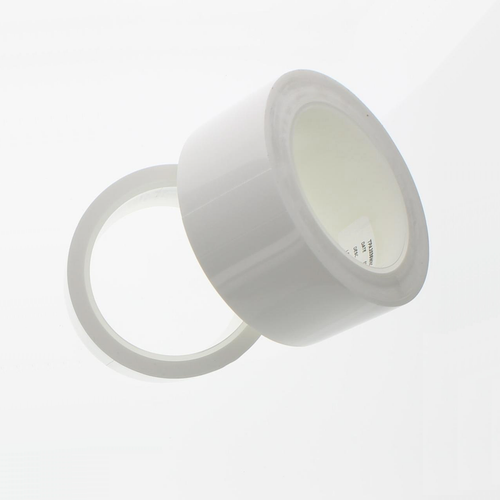
Texwipe TPA2036WHC: Perforated cleanroom cuff sealer tape for glove-to-gown closure control
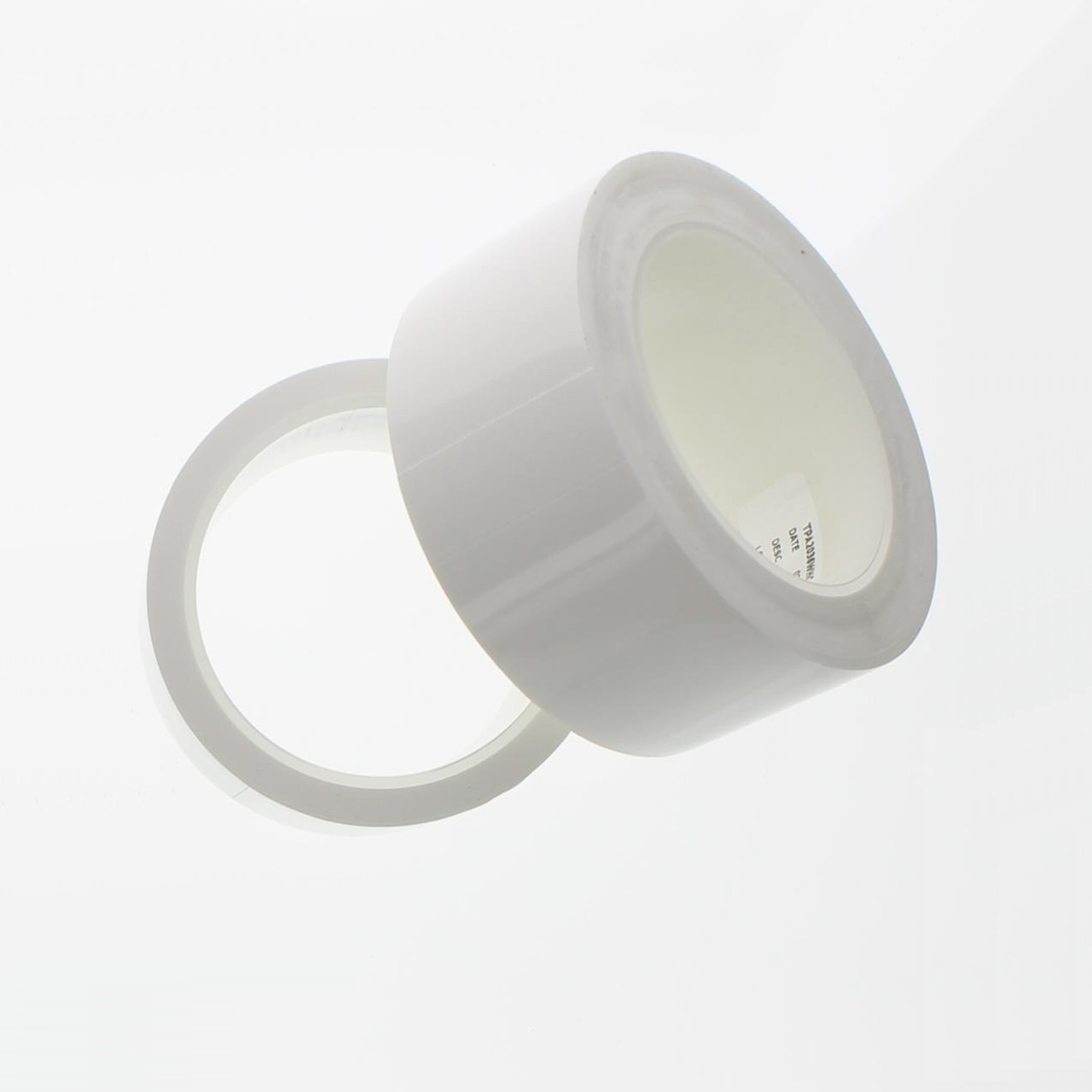
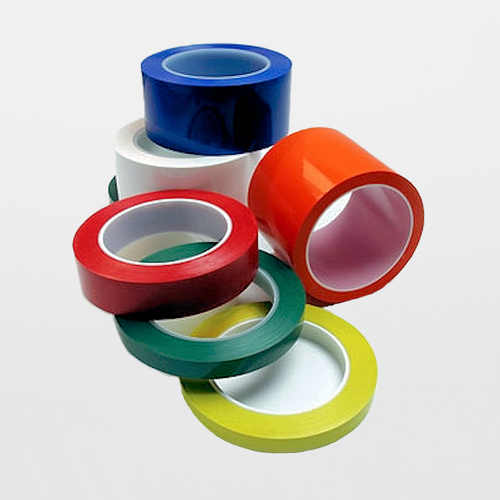
Representative product image shown for format context.
1) Practical solutions in a critical environment
Sleeve migration and glove-to-gown “gap events” are a real contamination-control problem. When a sleeve rides up or a cuff is loose, a technician can expose underlying garment material and create a direct path for particles, skin flakes, or moisture to migrate toward critical work. Texwipe TPA2036WHC is designed to create a fast, repeatable cuff seal at the gowning bench and to support consistent technique across shifts.
For over 35 years, SOS and Texwipe have been close partners, and SOSCleanroom is the authorized Master Distributor of ITW Texwipe for the United States market. For programs under change control, that relationship matters: predictable product lineage, continuity of supply, and faster access to the manufacturer documentation QA teams expect during audits and material reviews.
2) What it’s for
- Cuff sealing during gowning to secure sleeve cuffs to glove cuffs and reduce sleeve ride-up.
- Controlled-environment packaging closure for bags, liners, and protective coverings where cleanroom packaging discipline is required.
- Color coding and product identification where a cleanroom-packaged tape is preferred.
- Microelectronics and precision workflows (e.g., wafer box sealing) where residue/leachables are part of the material-selection conversation.
3) Why should customers consider this tape
- Perforated for repeatability: Supports consistent tear-off lengths at the gowning bench and reduces ragged edges from aggressive ripping.
- Conformable backing: LDPE backing helps the tape “follow” sleeve/glove contours instead of bridging or tenting.
- Acrylic adhesive behavior: Often chosen when teams want secure adhesion with less risk of softening compared with some rubber systems (confirm against your disinfectants and glove polymers).
- Packaging discipline: Individually lot-coded rolls, packaged in press-and-seal cleanroom bags and double-bagged to support cleaner introduction and traceability.
- Materials-risk conversation support: Manufacturer technical data references a construction positioned as low in halogens, leachable chlorides, and heavy metals (useful for sensitive programs that screen materials).
4) Materials and construction
- Backing: Low-density polyethylene (LDPE) film for conformability.
- Adhesive: Acrylic adhesive (selected for controlled-environment tape applications and stable performance across common surfaces; confirm against your glove polymer and disinfectant exposure).
- Perforation: Perforated format intended to support quick tear-off and more standardized application.
- Latex status: Listed as latex-free on SOSCleanroom product information.
Contamination-control note
The cleanest tape is the one applied consistently. Even high-quality cleanroom tape can become a contamination source if the roll is handled with bare hands, placed on non-clean surfaces, or torn in a way that creates edge debris. Treat tape as a controlled consumable: protect the roll, control the dispensing point, and train the tear-and-apply technique.
5) Specifications (published)
| Attribute |
TPA2036WHC |
| SKU |
TPA2036WHC |
| Tape width |
2 inch |
| Color |
White |
| Backing material |
LDPE (low-density polyethylene) |
| Adhesive |
Acrylic |
| Perforated |
Yes |
| Case packaging |
24 individually bagged rolls |
| Roll length, thickness, core size |
Not stated on the SOSCleanroom listing or Texwipe tape TDS referenced below. |
6) Specifications in context
A 2-inch wide, perforated LDPE/acrylic tape is a practical format for glove-to-gown sealing because it balances coverage (enough width to bridge glove and sleeve without “edge lifting”) with manageable bulk at the wrist. The perforation supports consistent application, which is critical when you want technician-to-technician repeatability and fewer improvised “workarounds” (scissors, ragged tears, oversized wraps).
For regulated operations, the tape is part of a broader contamination control strategy: consistent gowning technique, controlled consumables introduction, and documentation/traceability for change control. In U.S. programs, teams typically anchor the rationale in FDA expectations and internal quality systems; EU GMP Annex 1 is commonly used as a secondary benchmark for tightening gowning discipline and minimizing operator-borne contamination risk without implying it is a U.S. legal requirement.
7) Cleanliness metrics (what’s published vs. what teams verify)
Tape programs often fail on technique and handling long before they fail on a datasheet. Where published cleanliness numbers are not stated, many quality teams treat tape like any other consumable: define the risk, then verify by inspection, residue checks, and process monitoring aligned to internal acceptance criteria.
| Metric / risk area |
Why it matters for cuff sealing tape |
Published value for TPA2036WHC |
| Particles / edge debris |
Ragged tears and poor dispensing can create debris that transfers to sleeves or gloves. |
Not stated. |
| Adhesive transfer / residue |
Residue can attract particles and complicate glove removal; it can also interfere with downstream handling. |
Not stated. |
| Halogens / leachable chlorides / heavy metals |
Sensitive programs screen materials for corrosion or process-compatibility concerns. |
Referenced as low (per Texwipe/SOS-hosted TPA tape technical data). |
| Ionic / NVR extractables |
Some environments evaluate extractables to prevent surface interactions or analytical background. |
Not stated. |
8) Packaging, documentation, and traceability
- Individually bagged rolls: 24 rolls/case, individually bagged to reduce exposure events during dispensing.
- Press-and-seal cleanroom bags: Packaging format designed for convenient access while supporting cleaner handling.
- Lot coding: Individually lot coded for traceability and quality control (supports change control, deviation investigations, and audit readiness).
- Double-bagging: Double bagged to support cleaner introduction into controlled environments.
Documentation
SOS-hosted PDF (stable reference): https://www.soscleanroom.com/content/texwipe_pdf/tape%20LDPE%20and%20acrylic.pdf
Texwipe.com PDF (Cleanroom Tapes TDS): https://www.texwipe.com/images/uploaded/documents/Tapes/Texwipe-Tapes-TDS.pdf
Texwipe brochure (cleanroom tapes): https://www.texwipe.com/images/uploaded/documents/Tapes/New%20Tapes%20Brochure_2.4.2024.pdf
9) Best-practice use (operator-level)
Goal: Create a consistent glove-to-sleeve seal without damaging the glove, wrinkling the sleeve, or leaving adhesive where it can pick up contaminants.
- Control the dispensing point: Keep the roll in the controlled gowning area and off benches used for unpacking or staging. If you use a dispenser, qualify it for cleanability.
- Tear at the perforation (don’t “stretch-rip”): Pull the tape straight and tear cleanly to reduce ragged edges and film whitening from overstretching.
- Apply with light, even tension: Wrap the tape around the wrist so it bridges glove cuff and sleeve cuff. Avoid overtightening, which can reduce dexterity or stress the glove.
- Overlap modestly: Use a small overlap to lock the wrap. Excess overlap creates bulk and can snag on sleeves or equipment.
- Do a quick “mobility check”: Flex the wrist and rotate the hand to confirm the seal stays in place and does not pinch or roll.
- Removal discipline: When doffing, remove tape in a controlled peel to avoid sudden snapping that can aerosolize particles. Dispose per your gowning waste stream.
Compatibility reminder
Acrylic adhesives can behave differently depending on glove polymer (nitrile, latex, neoprene, polyisoprene) and exposure to alcohols, peroxides, or sporicidals. Confirm your exact glove + disinfectant pairing in your process window before standardizing.
10) Common failure modes
- Ragged tear edges: Usually a technique issue (stretching and ripping). Train tear-at-perf discipline.
- Seal “rolls” or creeps: Often caused by applying over wrinkles or applying too loosely; re-train wrap placement and tension.
- Adhesive transfer: Can occur with excessive pressure, long dwell, or incompatibility with glove polymer/disinfectant exposure; verify compatibility and define change-out triggers.
- Glove stress/tearing at the cuff: Over-tightening or using too-long wraps can create stress points; shorten wrap length and reduce tension.
- Cross-contamination from the roll: The roll becomes a shared touchpoint. Control access, keep it packaged between uses, and avoid placing it on uncontrolled surfaces.
11) Closest competitors
If you are comparing cuff-sealer tapes, keep the comparison mechanism-based: backing film (polyethylene vs. Tyvek or PVC), adhesive chemistry, packaging/sterility, perforation format, and documentation/traceability.
- UltraTape 1114P/0114P (polyethylene, perforated cuff sealing tape): Often evaluated where teams want a dedicated cuff-sealing format with one-hand application focus.
- STERIS Life Sciences cleanroom tape (Tyvek-based options): Commonly evaluated for pharmaceutical gowning/closure workflows where sterile presentation and gowning tool control is part of the program.
- MicroSeal cuff sealer tapes (polyethylene/acrylic, perforated variants): Seen in cleanroom supply channels as an alternative cuff sealing approach (verify packaging and quality documentation expectations).
12) Program fit
- ISO-class controlled environments: Useful in gowning areas supporting ISO 14644-classified rooms where operator-borne contamination is a dominant risk vector.
- Pharma/biotech and regulated manufacturing: Supports contamination control strategy elements (gowning integrity, consumables traceability, and controlled introduction), with U.S. standards as the primary anchor and EU GMP Annex 1 as a secondary benchmark for continuous improvement.
- Microelectronics/precision manufacturing: Fits programs that care about materials screening and consistent sealing of packaging or containers.
- Multi-site standardization: The individually lot-coded, double-bagged format is a practical advantage when multiple facilities need the same tape behavior and documentation set.
13) Source basis
SOSCleanroom product page (TPA2036WHC): https://www.soscleanroom.com/product/apparel/texwipe-ldpe-with-acrylic-adhesive-cleanroom-tape-perforated-cuff-sealer/
Manufacturer product family page (Texwipe TPA series, 2" width): https://www.texwipe.com/2-width-cleanroom-tape-ldpe-acrylic
SOS-hosted manufacturer technical PDF (kO-gO TPA tape; stable reference): https://www.soscleanroom.com/content/texwipe_pdf/tape%20LDPE%20and%20acrylic.pdf
Texwipe.com PDF (Cleanroom Tapes TDS; TEX-LIT-TDS-057 Rev.00-05/21): https://www.texwipe.com/images/uploaded/documents/Tapes/Texwipe-Tapes-TDS.pdf
Texwipe brochure (cleanroom tapes; dated 2/4/2024): https://www.texwipe.com/images/uploaded/documents/Tapes/New%20Tapes%20Brochure_2.4.2024.pdf
Standards and regulatory bodies (use as applicable to your program): https://www.iso.org/standard/53394.html, https://www.fda.gov/, https://www.astm.org/, https://www.iest.org/
SOSCleanroom note about SOP's
The Technical Vault is written to help customers make informed contamination-control decisions and improve day-to-day handling technique. It is not your facility’s Standard Operating Procedure (SOP), batch record, or validation protocol.
Customers are responsible for establishing, training, and enforcing SOPs that fit their specific risks, products, equipment, cleanroom classification, and regulatory obligations. Always confirm material compatibility, cleanliness suitability, sterility requirements, and acceptance criteria using your internal quality system and documented methods.
If you adapt any technique guidance from this entry, treat it as a starting template. Your team should review and approve the final method, then qualify it for your specific surfaces, solvents, cleanliness limits, inspection methods, and risk profile. In short: use these best-practice suggestions to strengthen your SOPs—not to replace them.
SOSCleanroom is the source for this Technical Vault entry.
Briefed and approved by the SOSCleanroom (SOS) staff.
If you have any questions please email us at Sales@SOSsupply.com or give us a call at (214)340-8574.
If you need additional information please try our SOSCleanroom specific AI ChatBot which draws from our extensive cleanroom specific libraries.
Last reviewed: January 12, 2026
© 2026 SOSCleanroom