The Technical Vault
By SOSCleanroom
Cuff sealer / gowning tape
Perforated for repeatable tear-off
LDPE backing + acrylic adhesive
Individually bagged, lot-coded, double-bagged
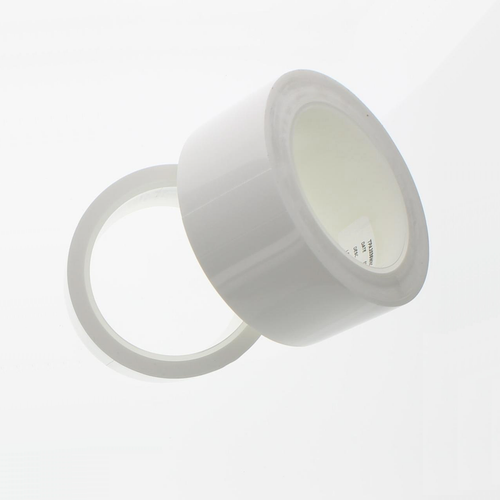
Texwipe TPA2036WHC: Perforated cleanroom cuff sealer tape for glove-to-gown closure control
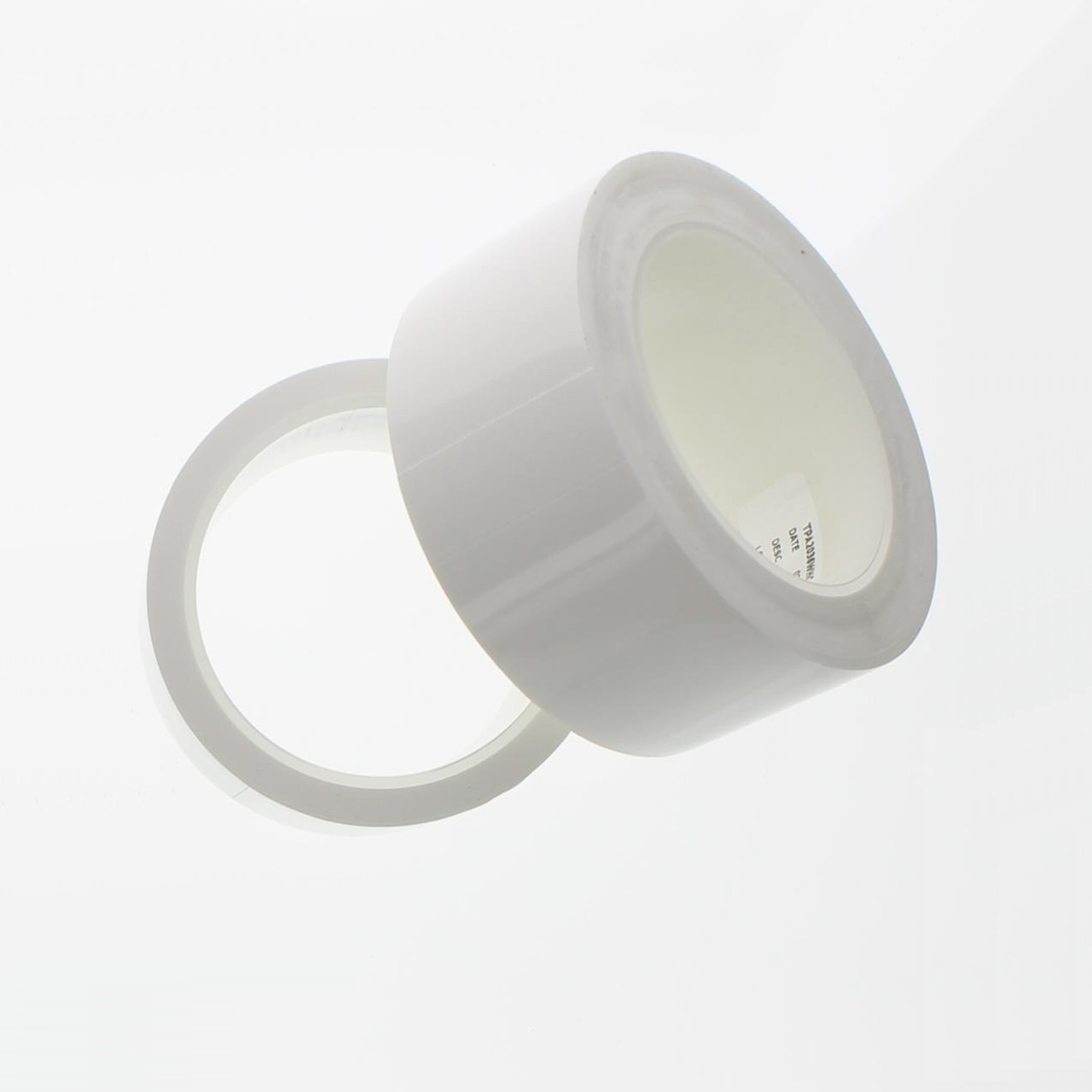
Representative product image shown for format context.
1) Practical solutions in a critical environment
Sleeve migration and glove-to-gown "gap events" are a real contamination-control problem. Texwipe TPA2036WHC is designed to create a fast, repeatable cuff seal at the gowning bench and to support consistent technique across shifts.
For over 35 years, SOS and Texwipe have been close partners, and SOSCleanroom is the authorized Master Distributor of ITW Texwipe for the United States market.
2) What it's for
- Cuff sealing during gowning to secure sleeve cuffs to glove cuffs and reduce sleeve ride-up.
- Controlled-environment packaging closure for bags, liners, and protective coverings.
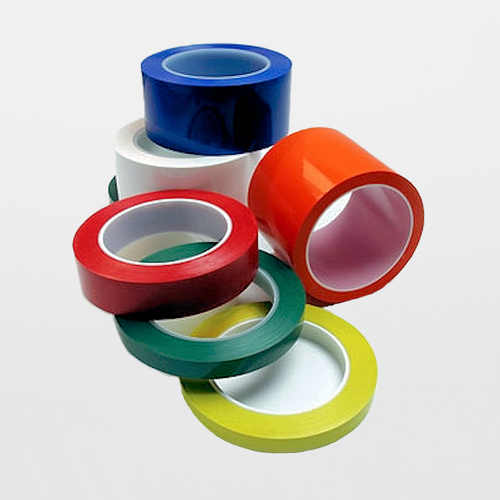
- Color coding and product identification where a cleanroom-packaged tape is preferred.
- Microelectronics and precision workflows where residue/leachables are part of the material-selection conversation.
3) Why should customers consider this tape
- Perforated for repeatability: Supports consistent tear-off lengths and reduces ragged edges.
- Conformable backing: LDPE backing follows sleeve/glove contours instead of bridging or tenting.
- Acrylic adhesive behavior: Often chosen for secure, stable adhesion (confirm against your disinfectants and glove polymers).
- Packaging discipline: Individually lot-coded rolls, press-and-seal cleanroom bags, double-bagged.
- Materials-risk support: Construction referenced as low in halogens, leachable chlorides, and heavy metals.
4) Materials and construction
- Backing: Low-density polyethylene (LDPE) film.
- Adhesive: Acrylic (confirm against your glove polymer and disinfectant exposure).
- Perforation: Supports quick tear-off and standardized application.
- Latex status: Listed as latex-free.
Contamination-control note
Treat tape as a controlled consumable: protect the roll, control the dispensing point, and train the tear-and-apply technique.
5) Specifications (published)
| Attribute | TPA2036WHC |
|---|
| SKU | TPA2036WHC |
| Tape width | 2 inch |
| Color | White |
| Backing material | LDPE (low-density polyethylene) |
| Adhesive | Acrylic |
| Perforated | Yes |
| Case packaging | 24 individually bagged rolls |
6) Specifications in context
A 2-inch wide, perforated LDPE/acrylic tape balances coverage with manageable bulk at the wrist. The perforation supports consistent application and technician-to-technician repeatability.
7) Cleanliness metrics
| Metric / risk area | Why it matters | Published value |
|---|
| Particles / edge debris | Ragged tears can create debris that transfers to sleeves or gloves. | Not stated. |
| Adhesive transfer / residue | Residue can attract particles and complicate glove removal. | Not stated. |
| Halogens / leachable chlorides / heavy metals | Sensitive programs screen materials for corrosion or process-compatibility concerns. | Referenced as low (per Texwipe/SOS-hosted TPA tape technical data). |
| Ionic / NVR extractables | Some environments evaluate extractables to prevent surface interactions. | Not stated. |
8) Packaging, documentation, and traceability
- Individually bagged rolls: 24 rolls/case, individually bagged.
- Press-and-seal cleanroom bags: Convenient access while supporting cleaner handling.
- Lot coding: Individually lot coded for traceability.
- Double-bagging: Supports cleaner introduction into controlled environments.
9) Best-practice use (operator-level)
- Control the dispensing point: Keep the roll in the controlled gowning area.
- Tear at the perforation: Pull straight and tear cleanly to reduce ragged edges.
- Apply with light, even tension: Bridge glove cuff and sleeve cuff. Avoid overtightening.
- Overlap modestly: Small overlap locks the wrap without bulk.
- Mobility check: Flex the wrist and rotate the hand to confirm seal stays in place.
- Removal discipline: Controlled peel to avoid sudden snapping that can aerosolize particles.
Compatibility reminder
Acrylic adhesives can behave differently depending on glove polymer and exposure to alcohols, peroxides, or sporicidals. Confirm your exact glove + disinfectant pairing before standardizing.
10) Common failure modes
- Ragged tear edges: Train tear-at-perf discipline.
- Seal rolls or creeps: Re-train wrap placement and tension.
- Adhesive transfer: Verify compatibility and define change-out triggers.
- Glove stress/tearing at the cuff: Shorten wrap length and reduce tension.
- Cross-contamination from the roll: Keep packaged between uses; control access.
11) Closest competitors
- UltraTape 1114P/0114P: Dedicated cuff-sealing format with one-hand application focus.
- STERIS Life Sciences cleanroom tape (Tyvek-based): Common in pharmaceutical gowning/closure workflows.
- MicroSeal cuff sealer tapes: Alternative cuff sealing approach (verify packaging and documentation expectations).
12) Program fit
- ISO-class controlled environments: Useful in gowning areas supporting ISO 14644-classified rooms.
- Pharma/biotech and regulated manufacturing: Supports contamination control strategy elements, with U.S. standards as the primary anchor and EU GMP Annex 1 as a secondary benchmark.
- Microelectronics/precision manufacturing: Fits programs that care about materials screening and consistent sealing.
- Multi-site standardization: Individually lot-coded, double-bagged format supports multiple facilities.
13) Source basis
SOSCleanroom note about SOP's
The Technical Vault is written to help customers make informed contamination-control decisions and improve day-to-day handling technique. It is not your facility's SOP, batch record, or validation protocol.
Customers are responsible for establishing, training, and enforcing SOPs that fit their specific risks, products, equipment, cleanroom classification, and regulatory obligations.
Use these best-practice suggestions to strengthen your SOPs—not to replace them.
SOSCleanroom is the source for this Technical Vault entry.
Briefed and approved by the SOSCleanroom (SOS) staff.
If you have any questions please email us at Sales@SOSsupply.com or give us a call at (214)340-8574.
If you need additional information please try our SOSCleanroom specific AI ChatBot which draws from our extensive cleanroom specific libraries.
Last reviewed: April 29, 2026
© 2026 SOSCleanroom