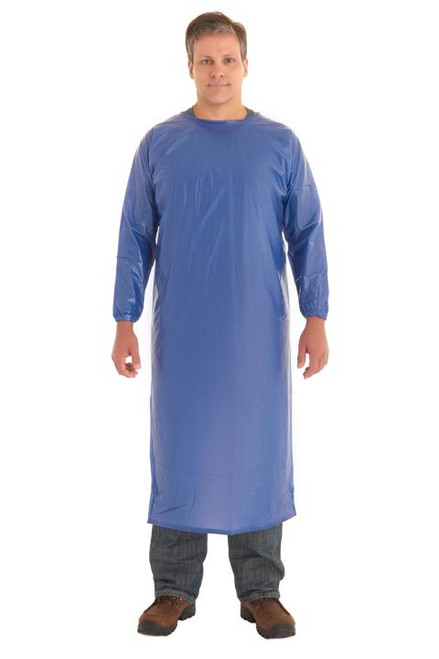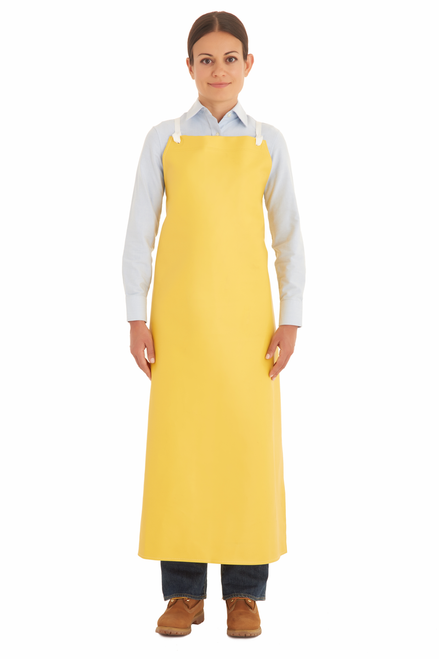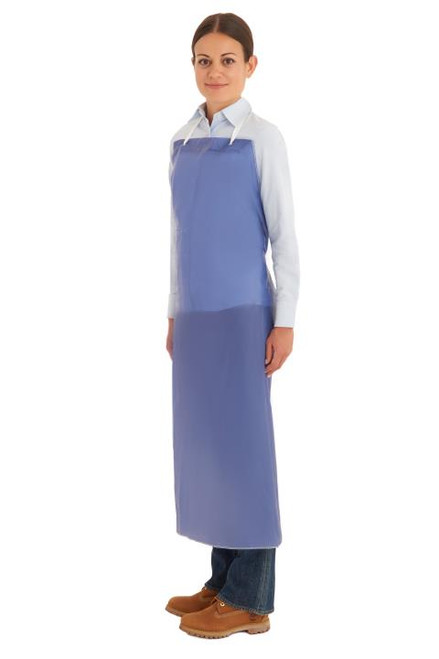
Ansell 56-800 AlphaTec 8-9 mil Endurosaf Polyurethane Apron (28/Case)

$443.00
(No reviews yet)
SKU:
‭‭56-800
Availability:
7 - 10 Business Days
Shipping:
Calculated at Checkout
Quantity Option (Case):
28 Aprons
Ansell AlphaTec® 56-800 EnduroSaf™ High-Performance Polyurethane Apron (White) — 8–9 mil Die-Cut Enduro2000™ Material, Adjustable Neck Strap + Sealed Integral Ties, Soft/Easy-Clean, Cold-Temperature Flexibility (28/Case; 34" x 45" or 34" x 50")
PPE Apron Polyurethane (Enduro2000™) 8–9 mil Adjustable Neck Strap Integral Ties Tear/Puncture + Abrasion Resistance (Published) Flexible in Cold Temps (Published) 34" x 45" / 34" x 50" 28/Case Silicone-free: Not Tested

Overview

AlphaTec® 56-800 EnduroSaf™ is a high-performance polyurethane bib apron intended for wet-process work where oil, grease, and chemical exposure can turn routine tasks into safety risks. The 8–9 mil die-cut Enduro2000™ polyurethane construction is published as strong and tough, offering abrasion resistance plus tear and puncture resistance, while remaining flexible in colder conditions.

SOSCleanroom positions Ansell as a best-in-class PPE manufacturer because safety programs depend on consistent specs, documentation, and repeatable training outcomes. Our close relationship with Ansell helps customers reduce substitution risk and keep protective standards consistent across teams and facilities.


Why this apron matters for safety
  • Reduces garment wet-out and skin-contact risk: helps create a primary barrier for the torso during splash, spray, and drip events.
  • Built for high-contact work: published as exceptionally resistant to abrasion, chemicals, oils, and fats—useful where repeated contact and wipe-downs are expected.
  • Secure, consistent fit: sealed ties and an adjustable neck strap are designed to maintain fit across a wide variety of users.
  • Cold-temp flexibility: published to remain flexible in colder environments where some films can stiffen.

Typical work areas and tasks supported (published examples)
  • Plant disinfection and sanitization
  • Equipment maintenance and repair
  • Transferring liquids
  • Storing and transportation; canning; bottling
  • Food-processing support tasks (e.g., packing fillets and ground meat)

Key specifications (published)
SKU 56-800
Material / construction Polyurethane (Enduro2000™), die-cut
Color White
Thickness 8–9 mil
Closure Integral ties; adjustable neck strap (published)
Available sizes 34" x 45" and 34" x 50"
Silicone-free Not tested (published)
Order unit Case (28 aprons)

Always confirm chemical compatibility and PPE selection using your hazard assessment and the applicable SDS for the chemicals in use. Aprons protect the torso; eye/face protection and properly selected chemical-resistant gloves are often required in addition to aprons.


Packaging and handling

Shipped as a case of 28 aprons. Keep aprons in original packaging until use to reduce accidental damage (cuts, creases, or punctures) that can reduce barrier performance.

After use, follow your facility SOP for wipe-down, segregation, and disposal based on the chemicals and soils encountered.


Storage and lifecycle control
  • Store in a cool, dry location away from direct sunlight and heat sources.
  • Avoid sharp edges during staging and storage to prevent micro-cuts.
  • Inspect before use (tears, pinholes, thinning, strap damage) and remove from service if compromised.

Documentation

Use manufacturer documentation alongside your hazard assessment to support PPE selection, training, and safe-work procedures.


If you have any questions please email us at Sales@SOSsupply.com or give us a call at (214)340-8574. OR check out the AI ChatBot powered by SOSCleanroom data libraries - give it a try! THIS IS NEW FOR 2026! © 2026 SOSCleanroom. All rights reserved.
The Technical Vault By SOSCleanroom
PPE Safety Article Routine Splash Control Oil/Grease/Chemical Contact Training + Standard Work

Most exposure events are not “one big spill”

In daily operations, the most common exposure pathway is repetitive and predictable: hose overspray, drip lines, splash during pouring, wipe-down run-off, and incidental contact against wet equipment. Those small events add up—soaked garments, skin irritation, and unsafe shortcuts when operators try to “push through.” A bib apron is a straightforward control because it puts a barrier layer between the process and the torso, which is where splash events most often land.


Why polyurethane (Enduro2000™) is used in high-contact work

AlphaTec® 56-800 uses a published 8–9 mil die-cut Enduro2000™ polyurethane construction that is described as strong and tough, and as offering a combination of characteristics that outperforms neoprene, nitrile, vinyl, and other films. In practical terms, that design intent targets three realities of wet-process work: (1) abrasion and contact against equipment, (2) puncture/tear risk when aprons snag, and (3) the need to stay flexible in colder environments.

Operational takeaway

If your apron is failing from tearing, snagging, stiffening in cold rooms, or “wear-through” at contact points, material selection becomes a safety control—not a preference.


Fit, retention, and why straps matter more than people think

A high-quality apron only protects when it stays in position. Published design features for this series include sealed ties and an adjustable neck strap, plus dielectrically sealed neck and waist straps intended to resist tear-out and stay easy to clean. The goal is simple: consistent fit for a wide variety of users, without constant readjustment.

  • Train the tie method: standardize how teams tie and secure straps to reduce dangling ends (snag risk) and apron drift.
  • Set “change triggers”: define when an apron must be cleaned, swapped, or removed from service after exposure events.
  • Inspect before use: small tears become big failures during pulling, bending, and lifting.

Integrate the apron into a complete PPE system

Aprons reduce torso exposure; they do not replace eye/face and hand protection. For splash-prone tasks, pair a bib apron with properly selected chemical-resistant gloves, eye protection (goggles or face shield), and footwear controls based on your hazard assessment and SDS guidance.

Practical checklist
  • Confirm chemicals, concentration, temperature, and exposure duration (SDS + site risk assessment).
  • Validate glove selection for your chemistry and task time.
  • Define how aprons are cleaned or disposed after use (per SOP).

Why SOSCleanroom emphasizes best-in-class Ansell PPE

PPE programs break down when the “same apron” quietly becomes multiple different aprons due to substitutions. Standardizing on a best-in-class manufacturer helps keep training, purchasing, and safety expectations anchored to one spec. SOSCleanroom’s close relationship with Ansell supports that consistency by helping customers align product selection, documentation, and replenishment planning.


Facility wipe-down support (reduces secondary transfer)

Secondary transfer often happens when gloves touch contaminated apron surfaces and then touch controls, doors, or tools. Controlled wipe-down materials help support cleaner transitions.


Documentation

Anchor PPE selection and training to manufacturer documentation and your hazard assessment.


If you have any questions please email us at Sales@SOSsupply.com or give us a call at (214)340-8574. OR check out the AI ChatBot powered by SOSCleanroom data libraries - give it a try! THIS IS NEW FOR 2026! © 2026 SOSCleanroom. All rights reserved.