Ansell BioClean™ Emerald BENS Sterile Nitrile Cleanroom Gloves — Class 10 / ISO 4 Chemo-Rated Protection with Accelerator-Free Comfort and Sustainable Packaging
Class 10 / ISO 4 Sterile (SAL 10-6) Nitrile (latex-free) Accelerator-free Powder-free Chemo-tested (ASTM D6978) Anti-static 12" length Green 200 pairs / case
Product overview
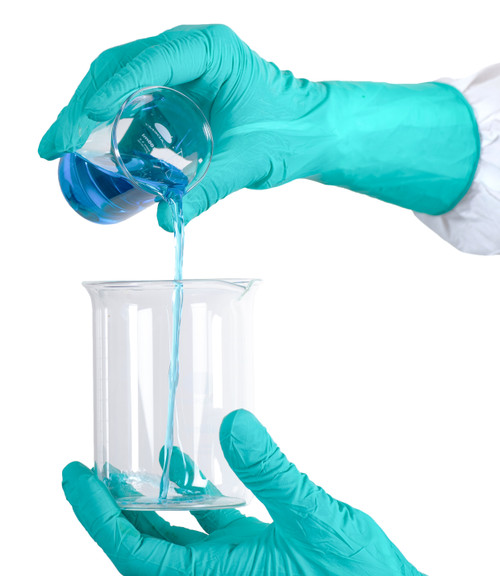
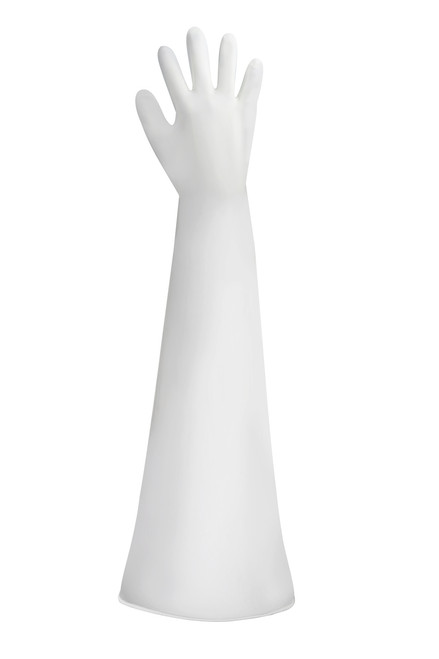
BioClean™ Emerald BENS is a sterile, single-use nitrile cleanroom glove designed for Class 10 / ISO 4 and EU GMP Grade A/B sterile operations where glove performance, documentation, and contamination control discipline must hold up under audit pressure. BENS combines a smooth glove body with a micro-textured finish for controlled grip, a chlorinated internal surface for more consistent donning, and a hand-specific shape to support dexterity during skilled handling and aseptic workflows.
BENS is also part of the BioClean chemotherapy-rated glove line and is tested for use with chemotherapy drugs. Packaging is engineered for both clean introduction and sustainability goals: sterile gloves are packed in recyclable plastic with recycled cardboard shipper cases (always confirm local recycling capability for polyethylene film, as acceptability varies by region).
Why customers choose Emerald BENS
- Built for Class 10 / ISO 4 and sterile cleanrooms, aligning glove selection with risk-based contamination control where gloves are a primary product-contact risk.
- Sterile by gamma irradiation with a published Sterility Assurance Level (SAL) of 10-6, supporting critical zone handling and sterile processing discipline.
- Accelerator-free, powder-free, and latex-free nitrile formulation helps reduce Type I latex and Type IV chemical allergy concerns while maintaining controlled-environment performance.
- Chemo-tested barrier intent for hazardous drug handling programs where chemotherapy permeation performance and documentation matter (follow your facility’s hazardous drug procedures and glove change frequency requirements).
- Hand-specific ergonomic shape supports dexterity and reduces fatigue during repetitive aseptic tasks, sampling, and skilled manipulation.
- Smooth surface with micro-textured finish supports controlled grip without the “sticky” feel some aggressive textures can introduce in sterile handling.
- Clean processed and deionized washed to reduce surface particulates, ionic extractables, and non-volatile residues (NVR) for cleaner downstream outcomes.
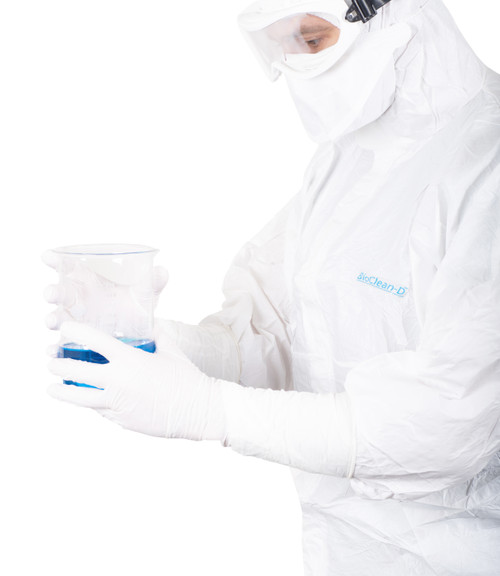
- Designed to be double-donned and commonly positioned as an underglove for double-gloving workflows.
- More sustainable packaging approach: recyclable plastic packaging and recycled cardboard shipper cases (verify local PE film recycling availability).
Recommended applications
- Aseptic filling, processing, and labeling steps where sterility assurance and consistent glove integrity are required
- Sterile processing departments and clean transfer operations (material movement, staging, and controlled introduction)
- Pharmaceutical and biotech manufacturing tasks (blending operations, sampling, transferring liquids and solids)
- Hazardous drug / chemotherapy handling workflows where chemotherapy testing and change-frequency discipline are part of the safety program
- Chemical handling and splash-risk tasks where nitrile chemical resistance is part of the selection logic (confirm compatibility against your chemical list)
- Medical device manufacturing and laboratory research where both contamination control and operator protection are required
Note: Sterile glove performance in real operations depends on technique (donning/doffing, glove change frequency, and touch discipline) as much as glove specification. Validate glove selection and change timing in your process, especially for hazardous drug handling and aseptic manipulations.
Specifications (from published technical data)
| SKU |
BENS |
| Cleanroom classification |
Class 10 / ISO Class 4 & EU GMP Grade A/B and other sterile cleanrooms |
| Material / color |
Nitrile / Green |
| Powder content |
Powder-free |
| External glove surface |
Smooth with micro-textured finish |
| Internal glove surface |
Chlorinated |
| Shape |
Hand specific |
| Cuff |
Beaded; cuff length: Standard |
| Typical glove length |
300 mm / 12 in |
| Freedom from holes (AQL) |
1.5 AQL Performance |
| Thickness targets (single wall) |
Palm: 0.11 mm / 4.33 mil
Finger: 0.15 mm / 5.90 mil
Cuff: 0.08 mm / 3.15 mil |
| Typical particle level (cleanroom metric) |
≥0.5 µm: < 1,200 counts / cm2 |
| Anti-static |
Yes |
| Sterility |
Sterile; SAL 10-6 |
| Sterilization method |
Gamma irradiation; published minimum dose 25 kGy |
| Tested for use with chemotherapy drugs |
Yes |
| Available sizes |
6.0, 6.5, 7.0, 7.5, 8.0, 8.5, 9.0 |
| Reorder numbers |
BENS-6.0, BENS-6.5, BENS-7.0, BENS-7.5, BENS-8.0, BENS-8.5, BENS-9.0 |
| Packaging (case) |
1 pair per inner wrap; 1 inner wrap per pouch; 10 pouches per outer bag; 20 outer bags per lined carton (200 pairs)
(More sustainable packaging: recyclable plastic packaging and recycled cardboard shipper cases; inner wrap, pouch, bag, and liner use polyethylene (PE) film. Always verify local recycling options for PE.) |
| Shelf life |
Five (5) years from date of manufacture |
| Storage guidance |
Keep away from direct sunlight; store in a dry place in the original packaging; keep away from ozone sources. |
| Country of origin |
Malaysia |
Test method context (as published): typical particle count references IEST-RP-CC005.4; length and thickness targets reference EN ISO 21420; freedom from holes references EN 374-2. Always validate glove selection in your process, including chemical compatibility, product-contact risk, and operator technique.
Cleanroom program guidance (U.S. first, global context second)
In U.S.-based cleanrooms and regulated manufacturing, sterile gloves are treated as a primary contamination control and mix-up risk at the point of use. Build glove selection and use into your quality system: defined gowning sequence, controlled donning/doffing, documented glove change frequency at critical steps, and clear handling rules for product-contact surfaces. Many U.S. programs use ISO 14644 cleanroom terminology alongside FDA expectations and facility contamination control strategy (CCS) practices. In sterile compounding and hazardous drug workflows, teams often align technique, change frequency, and documentation discipline to USP <797> and USP <800> intent (as applicable to the operation).
As a secondary/global benchmark, EU GMP Annex 1 reinforces risk-based CCS thinking: material transfer discipline, glove integrity/changes at critical steps, and documentation that supports investigation readiness. Use it as a continuous improvement lens where it fits your business, without treating it as a U.S. legal requirement.
Helpful standards and guidance hubs (for program reference): https://www.iso.org/standard/53394.html | https://www.fda.gov | https://www.astm.org | https://www.iest.org
Build a best-in-class ISO 4 consumables set
SOSCleanroom does not compromise on glove quality in critical environments. Ansell is our best-in-class glove line for customers who need consistent controlled-environment performance and documentation discipline. To reduce overall contamination risk in ISO 4 spaces, match your glove choice with wiping and swabbing materials that are engineered for the same environment and the same level of traceability.
Texwipe pairing suggestion (ISO 4-aligned wiping and swabbing)
For over 35 years, SOS and Texwipe have been close partners, and SOSCleanroom is the authorized Master Distributor of ITW Texwipe for the United States market. In ISO Class 4 programs, many teams standardize a sealed-edge/sterile wipe set for critical touch-downs and disinfectant application, then add a sterile swab for grooves, ports, and tight geometries where wipes cannot maintain consistent contact.
- Dry wipe-downs and controlled cleaning strokes: Texwipe TX8659 Vectra Alpha10 LT 9" x 9" polyester wipers (low-linting; note that no wiper is truly “zero-lint” in every process condition). https://www.soscleanroom.com/product/wipers/texwipe-tx8659-vectra-alpha10-lt-9-x-9-polyester-cleanroom-wiper/
- Sterile pre-wetted critical wipe-downs: Texwipe STX1704P Sterile Revolve 4" x 4" pre-wetted 70% IPA wipers (sterile and ISO-class listed on the product page). https://www.soscleanroom.com/product/wipers/texwipe-stx1704p-sterile-revolve-4-x-4-upcycled-polyester-cleanroom-wiper-pre-wetted-70-ipa/
- Precision swabbing for tight features: Texwipe STX758B sterile micro polyester knit swab for grooves, slots, ports, and controlled sampling/cleaning workflows (verify fit and cleanliness requirements for your application). https://www.soscleanroom.com/product/swabs/texwipe-stx758b-sterile-micro-alpha-polyester-cleanroom-swab/
About Ansell and SOSCleanroom supply confidence
Ansell is a global manufacturer of hand and body protection solutions with strong controlled-environment product lines used across life sciences, electronics, and critical manufacturing. In sterile cleanrooms, consistency matters: formulation control, clean processing, sterile packaging discipline, and the ability to support documentation requests when quality teams need to qualify and sustain a glove program.
SOSCleanroom supports customers who need dependable, best-in-class cleanroom consumables with fast shipping, excellent customer service, fair pricing, and continuity of supply backed by 40+ years serving controlled environments. As a third-party validation point, Cleanroom Technology reported that SOS Cleanroom Supply became an Ansell authorised distributor (June 20, 2023): https://www.cleanroomtechnology.com/sos-cleanroom-supply-becomes-ansell-authorised-distributor-209576
If you have any questions please email us at Sales@SOSsupply.com or give us a call at (214)340-8574.
If you need additional information please try our SOSCleanroom specific AI ChatBot which draws from our extensive cleanroom specific libraries.
Last updated: January 10, 2026
© 2026 SOSCleanroom.com