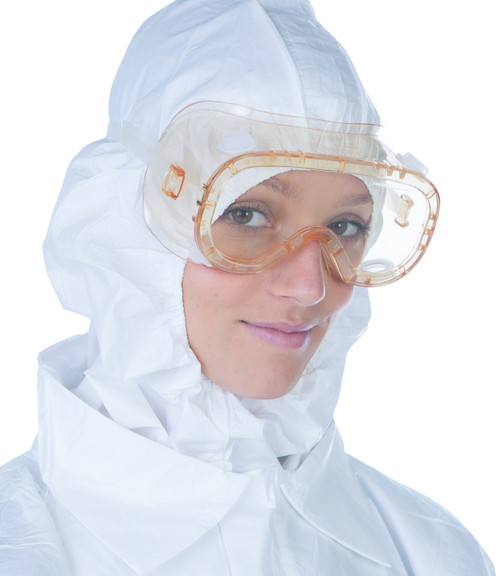
Ansell BVGS BioClean Vijon Sterile Single-Use Goggles (ISO 4)

$448.60
(No reviews yet)
SKU:
BVGS
Availability:
7 - 10 Business Days
Shipping:
Calculated at Checkout
Quantity Option (Case):
60 Goggles
Inner Packaging:
See Below

Ansell BVGS BioClean™ Vijon Sterile Single-Use Goggles — ISO 4 (Class 10) Cleanroom Eye Coverings (60/Case)

BioClean™ Vijon BVGS are gamma-sterilized, single-use cleanroom goggles designed to support contamination control where sterile eye coverings are required. Per the manufacturer, BVGS combines a lightweight PVC frame, an indirect ventilation system to improve comfort and reduce contamination ingress risk, and an optically correct toughened polycarbonate lens with anti-fog—and can be worn over eyeglasses. Each unit is individually packaged for controlled entry and traceability.

Cleanroom note: These goggles are specified by the manufacturer for Class 10 / ISO Class 4 environments and are referenced for EU GMP Grade A/B and other sterile cleanrooms (program and SOP dependent).

Specifications (Manufacturer Data Sheet):
  • Manufacturer / Brand: Ansell BioClean™
  • Model / Reorder No.: BVGS
  • Product type: Sterile single-use goggles (eye coverings)
  • Sterilization: Gamma irradiation; minimum dose 25 kGy; SAL 10-6
  • Materials: PVC, Silicone, Polycarbonate
  • Color: Orange
  • Standards / Conformity: CE; EN 166:2001 (Category II); UKCA (per manufacturer)
  • Cleanroom suitability: Class 10 / ISO Class 4; EU GMP Grade A/B (per manufacturer)
  • Packaging overview: 1 per sealed PE inner bag; 10 inner bags per sealed outer PE bag; 6 outer bags per lined carton (60 pieces)
  • Country of origin: Malaysia
  • Shelf life: 3 years from date of manufacture (storage in original packaging; keep dry; avoid direct sunlight and ozone sources)
  • Physical properties (published): Total weight 74 g (±2 g); lens thickness 2.0 mm (±0.3 mm); overall width 155 mm (±3 mm); overall height 85 mm (±3 mm)
About the Manufacturer:

Ansell BioClean™ develops disposable and reusable contamination-control PPE for controlled and critical environments. In the BVGS format, the manufacturer’s emphasis is on comfort + contamination control: lightweight construction, indirect ventilation, anti-fog optics, and sterile gamma processing with defined packaging configuration for clean entry.


SOSCleanroom supports programs that need dependable cleanroom PPE supply and practical selection guidance aligned to ISO cleanroom operations and (when applicable) EU GMP Annex 1 expectations for sterile manufacturing.

BVGS Features:
  • Gamma-sterilized, single-use goggles with SAL 10-6 (per manufacturer)
  • Indirect ventilation to support breathability and reduce contamination ingress risk
  • Optically correct toughened polycarbonate lens with anti-fog for clearer vision
  • Designed to fit over eyeglasses (OTG-friendly)
  • Individually sealed inner bag packaging; structured multi-bag case pack for controlled environments
BVGS Benefits:
  • Supports contamination control: sterile eye coverings help reduce facial particle/droplet shedding pathways (program-dependent).
  • Reduces variability: single-use sterile packaging eliminates reprocessing and reduces “unknown history” risk versus shared reusables.
  • Improves user compliance: comfort + anti-fog optics helps keep PPE worn correctly for the full task duration.
  • Audit-friendly receiving: published packaging configuration and sterilization method support QA review and qualification processes.
Common Applications:
  • ISO-classified cleanrooms and controlled environments
  • Aseptic manufacturing support areas and sterile suites (per SOP and risk assessment)
  • Medical device manufacturing and clean assembly operations
  • Laboratory and research clean operations requiring sterile eye protection
Best-Practice Use (Handling & Donning):
  • Don with clean technique: handle goggles by the strap/edges; avoid touching the lens and any surfaces intended to face the cleanroom.
  • Wear with compatible head/face PPE: ensure hood and mask interfaces do not leave exposed facial skin where your program requires full coverage.
  • Control fogging correctly: confirm proper fit and airflow; do not apply unapproved chemicals to lenses in classified areas unless validated by your program.
  • Single-use discipline: treat as disposable sterile PPE; do not “wipe-and-reuse” across sessions unless your SOP explicitly allows it (and is qualified).
  • Document entry: retain lot/expiry data as required by your receiving and batch documentation practices.

Note: Always align PPE selection and donning steps to your facility SOPs, cleanroom grade, risk assessment, and applicable regulatory expectations.


Link to Ansell Manufacturer Product Data Sheet (PDS):
Click Here

Other Similar Products Available From SOSCleanroom.com

Selection note: Choose single-use sterile goggles when your program prioritizes sterile entry, reduced reprocessing burden, and consistent condition control. Choose autoclavable reusables when your site has validated reprocessing and inventory control for reuse cycles.

Product page updated: Jan. 14, 2026 (SOS Technical Staff)

© 2026 SOSCleanroom. All rights reserved.

The Technical Vault By SOSCleanroom
ISO 14644 Operations Control Eye Protection (Goggles) Sterile / Single-Use PPE Gamma Irradiated (SAL 10-6) Class 10 / ISO 4 Positioning OTG (Over-the-Glasses) Indirect Ventilation USP <800> Splash-Risk PPE Consideration

Ansell BioClean™ Vijon Sterile Single-Use Goggles (BVGS) — ISO 4-positioned sterile eye coverings to reduce face-touch risk, support gowning control, and eliminate reusable reprocessing variability

Ansell BioClean™ Vijon Sterile Single-Use Goggles (BVGS) are designed for sterile suites and ISO-classified cleanrooms where sterile eye coverings are part of gowning control and where single-use, sterile PPE is preferred to reduce reprocessing complexity and condition variability. BVGS is gamma irradiated (minimum dose 25 kGy) with a stated sterility assurance level (SAL) of 10-6. The optically correct polycarbonate lens includes an anti-fog feature (manufacturer stated) and the goggle is designed to be worn over eyeglasses (OTG), helping reduce “adjustment behaviors” that drive contamination events. Indirect ventilation supports comfort while aiming to reduce contamination ingress risk relative to direct-vent designs (method dependent). Final suitability should be confirmed against current manufacturer documentation and your internal SOP/QMS requirements for gowning, handling, and disposal.

Operations takeaway: In high-control environments, the best goggle is the one that stays in place and stays clear—so the operator does not touch the eye/face area during work. Sterile, single-use goggles also eliminate “status control” ambiguity (used vs. cleaned vs. released) that can undermine audit readiness.


ISO-first context: where sterile goggles fit in cleanroom operations control

ISO 14644-5 frames cleanroom performance around a documented Operations Control Programme (OCP) that governs personnel practices, material transfer, cleaning, maintenance, and monitoring. Eye protection is part of that system because fogging, discomfort, and fit instability drive predictable contamination failures (face touching, repeated adjustments, interruptions, and rework). Single-use sterile goggles strengthen OCP execution by standardizing issuance and disposal rules: open at the defined boundary, don per the gowning sequence, then discard per SOP.

Control point: Many “PPE failures” are technique failures. The goggle should be integrated into a trained donning method that locks strap handling, lens-touch avoidance, and no-adjustment discipline.


Specifications (SKU controls for RFQs, SOPs, and receiving)
  • Product: Ansell BioClean™ Vijon Sterile Single-Use Goggles
  • SKU / Part number: BVGS
  • Product type: Single-use sterile goggles (eye coverings)
  • Materials: PVC, silicone, polycarbonate (frame + lens system)
  • Sterility / method: Gamma irradiation; minimum dose 25 kGy; stated SAL 10-6
  • Optics / wearability: Optically correct toughened polycarbonate lens; anti-fog (manufacturer stated); OTG (over-the-glasses)
  • Ventilation design: Indirect ventilation system (comfort + reduced ingress intent; process dependent)
  • Standards / conformity: CE; EN 166:2001; Category II; UKCA
  • Cleanroom suitability (published): Class 10 / ISO Class 4; EU GMP Grade A/B and other sterile cleanrooms (per manufacturer)
  • Packaging (published): 1 per sealed PE inner bag; 10 inner bags per sealed outer PE bag; 6 outer bags per lined carton (60 pieces/case)
  • Country of origin: Malaysia
  • Shelf life: 3 years from date of manufacture
  • Physical properties (published): 74 g (±2 g); lens thickness 2.0 mm (±0.3 mm); width 155 mm (±3 mm); height 85 mm (±3 mm)

Documentation rule: For sterile programs, confirm sterility method, packaging configuration, and markings using current manufacturer documentation and lot records (not web summaries).


What these sterile goggles are designed to do (typical use cases)
  • Sterile suites and ISO-classified cleanrooms requiring sterile eye coverings as part of gowning control.
  • Medical device manufacturing and critical assembly where droplets/particles from the face must be controlled.
  • Operations where single-use sterile PPE is preferred to reduce reprocessing complexity and condition variability.
  • OTG (over-the-glasses) use cases where goggles must fit comfortably over eyewear.
  • USP <800> / hazardous drug workflows: When the task presents a credible splash/spill risk (especially when working outside of containment equipment such as a C-PEC), goggles are used as sealed eye protection; a face shield alone is not considered sufficient eye protection for splash control.

USP <800> note (practical): Eye and face protection is a task-based requirement—triggered when spills/splashes are reasonably possible. Many programs pair goggles with a face shield for higher splash-risk activities so the eyes remain sealed while the face is shielded.


Best-practice use (reduce adjustments, contamination events, and deviations)
  1. Stage and inspect: verify packaging integrity, expiry status, and correct product for the grade before opening.
  2. Open at the correct boundary: open the sealed inner bag per SOP without contacting the lens/interior surfaces.
  3. Handle by strap/edges: treat the lens as a critical surface; avoid fingerprinting that drives fogging and later adjustments.
  4. Interface with hood/mask: ensure the hood-mask-goggle interface does not create exposed facial skin where your program requires coverage.
  5. Set fit once: complete strap adjustment in the gowning area; avoid re-adjustment once in the higher-grade zone unless SOP defines a safe method.
  6. Single-use means single-use: do not wipe-and-reuse; discard per SOP and site waste segregation rules.

Failure-mode prevention: Fogging drives re-touching. Validate fit with your mask/hood system and confirm anti-fog performance under your room temperature/humidity and work duration.


Misuse controls & when not to use
  • Do not reuse: single-use sterile goggles are not designed for cleaning/reprocessing; reuse introduces uncontrolled residues and status ambiguity.
  • Do not substitute safety glasses for splash risk: if sealed eye protection is required by task/risk assessment, open-frame safety glasses are not equivalent.
  • Do not compromise sterility: if sterile packaging is damaged or opened outside the defined boundary, discard and replace.
  • Do not ignore visibility: haze, scratches, or fogging that impacts visibility are immediate replacement triggers—visibility is an operational control, not a comfort preference.

Recommended cleanroom glove pairing (ISO-aligned)

For ISO 4 sterile gowning and sterile PPE handling, pair sterile goggles with ISO 4-positioned sterile gloves to reduce contamination transfer during package opening, donning, and doffing. In USP <800> programs, follow your hazardous drug SOP for glove requirements (typically chemotherapy-tested gloves and double-gloving for many tasks).

Glove discipline: Change gloves when contaminated, torn, or after contacting non-controlled surfaces. Treat gloves as part of the sterile PPE system during donning/doffing.

Recommended sterile swab pairing (detail cleaning & confined geometries)

For gasket edges, strap interfaces, and tight features where a wipe cannot maintain contact control, use a sterile cleanroom swab to keep cleaning localized and to avoid dragging residues across the lens. Always validate compatibility with lens coatings and approved chemistry in your SOP.

Swab discipline: Use a strict “one swab, one area” approach for sterile workflows. Do not re-dip. Discard immediately if overloaded or if the swab contacts non-sterile surfaces.


Why buy these sterile ISO 4 goggles from SOSCleanroom
  • Configuration control: Sterile PPE is method-sensitive; ordering by exact SKU supports audit readiness and prevents substitutions that disrupt validated practices.
  • Program alignment support: We help customers align sterile eye protection with gowning sequence, PPE matrices, and sterile material introduction rules.
  • One-cart procurement: Pair sterile goggles with ISO 4 sterile gloves and sterile swabs/wipers so gowning and handling methods remain consistent.

Manufacturer documentation (authoritative references)
  • SOSCleanroom product page (BVGS): Click Here
  • Manufacturer Product Data Sheet (BVGS): Click Here
  • ISO 14644-1 cleanroom classification context (ISO listing): Click Here
  • ISO 14644-5 operations standard overview (ISO listing): Click Here
  • EU GMP Annex 1 (sterile manufacturing gowning expectations): Click Here
  • USP <800> PPE interpretation reference (eye protection when splash risk exists): Click Here
  • CDC/NIOSH eye safety overview (hazard-based eye protection selection): Click Here

Questions? Email Sales@SOSsupply.com or call (214) 340-8574. You can also explore the SOSCleanroom AI ChatBot, powered by SOSCleanroom data libraries, for product guidance and technical education. Disclaimer: This Technical Vault content is provided by SOSCleanroom for general educational and operational reference only. It does not constitute legal, regulatory, validation, clinical, or safety advice and must not be interpreted as a certification or guarantee of compliance. Customers are responsible for developing, approving, and maintaining their own SOPs, training programs, validation activities, and compliance strategies based on applicable regulations, official standards, and current manufacturer documentation. References to ISO standards (including the ISO 14644 series) are for contextual guidance only. ISO standards are copyrighted works of the International Organization for Standardization (ISO) and are authoritative only in their official published form. © 2026 SOSCleanroom. All rights reserved. Content reviewed and current as of January 2026.