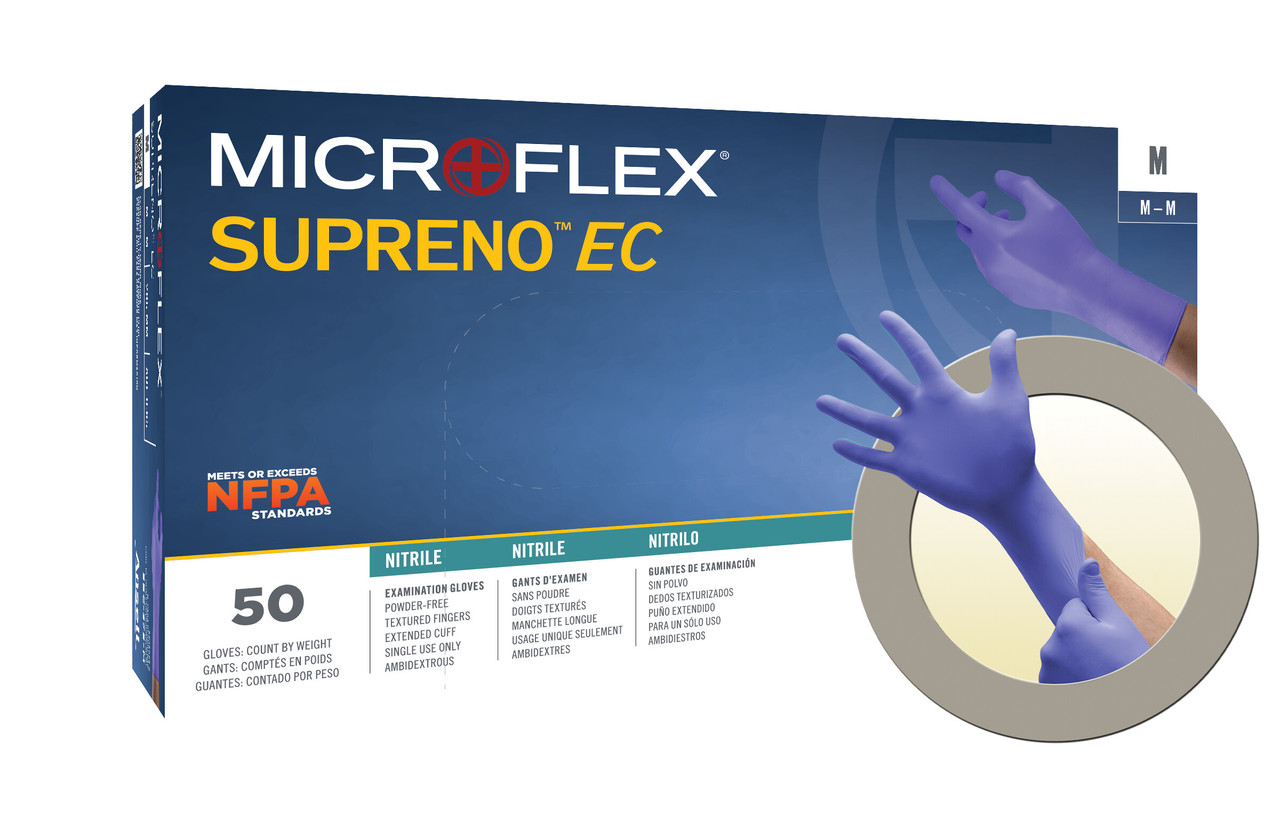
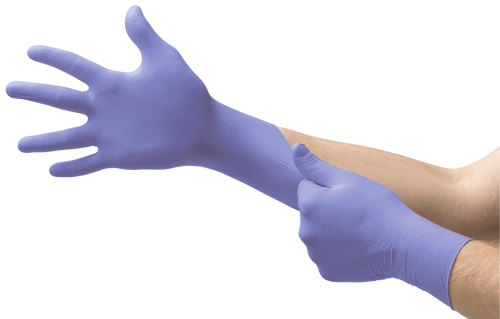
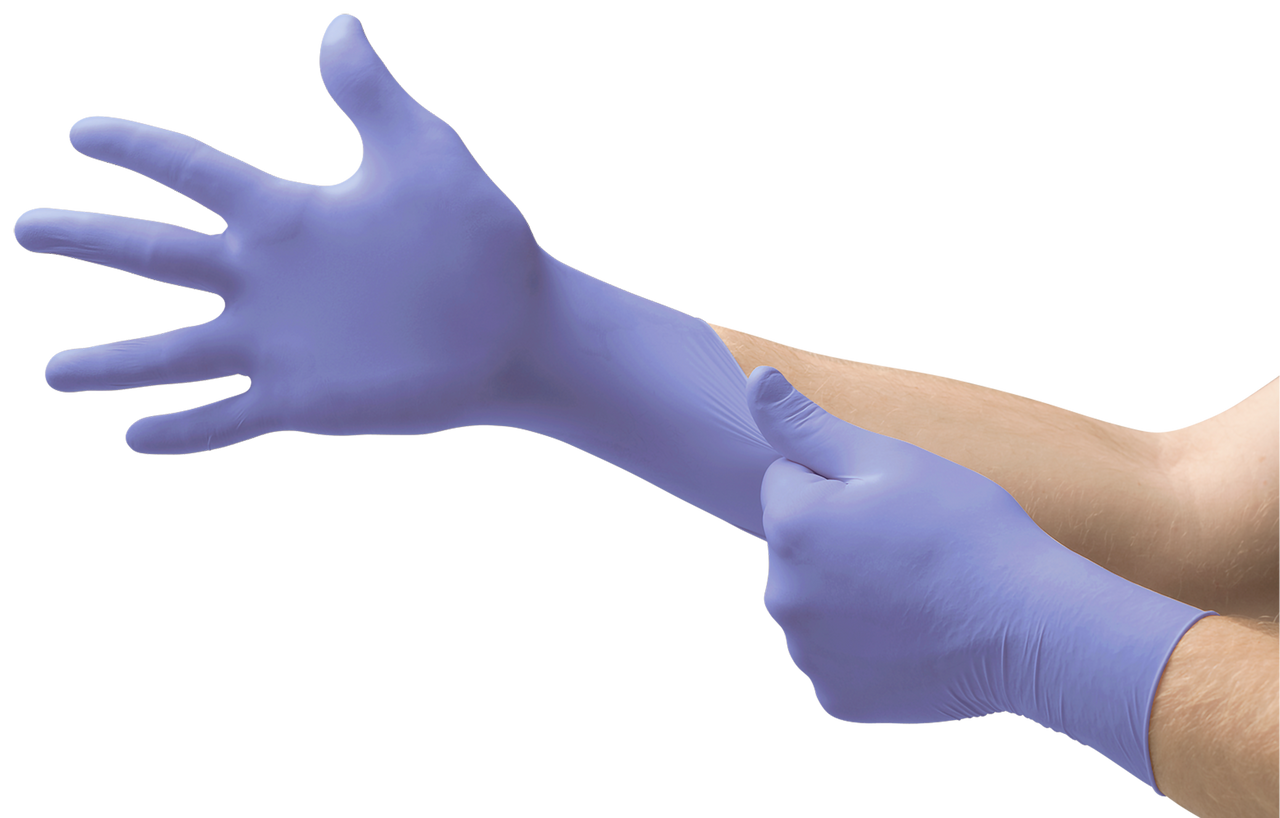
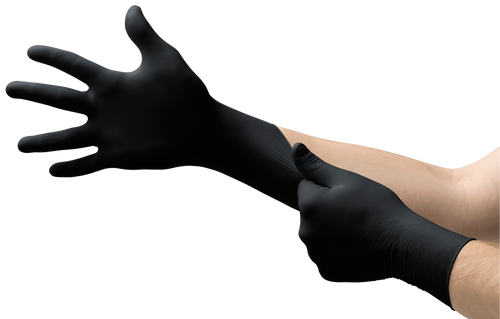
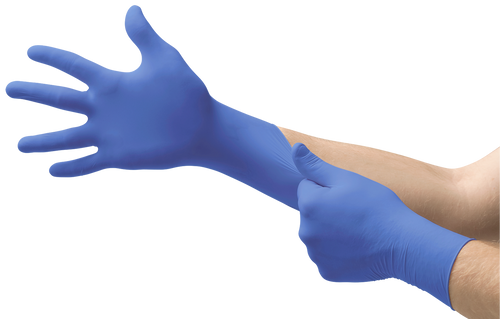
Ansell Microflex Gloves: SEC-375 Supreno EC Nitrile Gloves

$120.00
(No reviews yet)
SKU:
SEC-375
Availability:
7 - 10 Business Days
Shipping:
Calculated at Checkout
Quantity Option (Case):
400-500 Gloves
Inner Packaging:
See Below

Ansell MICROFLEX® Supreno® EC SEC-375 Nitrile Exam Gloves — Extended Cuff, High-Risk Barrier Protection

MICROFLEX® Supreno® EC (SEC-375) is a high-risk, durable nitrile medical exam glove engineered for tougher clinical, lab, and “hands-on” tasks where barrier integrity and cuff coverage matter. Ansell positions SEC-375 around robustness (resistance to rips/snags/tears), an extended cuff for added wrist/forearm coverage, and a low AQL (0.65) to reinforce barrier confidence. The glove is textured at the fingers for grip and is tested/approved for use with chemotherapy drugs (see product packaging for specific drug list/details per manufacturer).

Program note (QA/Safety): If you are using this glove for chemotherapy drug handling or other high-risk chemical splash scenarios, confirm your site SOP, drug list, change-out frequency, and disposal requirements. Manufacturer documentation references chemotherapy testing and NFPA 1999 suitability; always follow your internal risk assessment and labeling.

Specifications:
  • Manufacturer / series: Ansell MICROFLEX® Supreno® EC
  • Part number / family: SEC-375 (size-specific item codes: SEC-375-XS through SEC-375-XXXL)
  • Material: Nitrile
  • External surface: Textured fingers
  • Glove length: 295 mm / 11.6 in (extended cuff)
  • AQL (freedom from holes): 0.65 (Inspection level I)
  • Typical thickness: Finger 0.22 mm (8.7 mil) | Palm 0.14 mm (5.5 mil)
  • Antistatic: Yes (manufacturer states antistatic)
  • Audit standard: ISO 13485 (manufacturer stated)
  • Product segmentation: High Risk
  • Country of origin: Malaysia
  • Packaging: 50 gloves per dispenser | 10 dispensers per case | 500 gloves per case (XXXL: 40/dispenser; 400/case)
  • Storage: Keep out of direct sunlight; store cool/dry; keep away from ozone or ignition sources
  • Certifications / compliance (manufacturer listed): ASTM D6319; ASTM D6978; ISO 11193; NFPA 1999:2018; EN ISO 374:2016 Type B (KPT); EN 1149-1/2/3; EN ISO 21420:2020; and other regional listings per TDS
About the Manufacturer: 

Ansell builds the MICROFLEX® platform around real-world protection problems: barrier integrity, task durability, and practical coverage where wrists and lower forearms are routinely exposed. SEC-375 is positioned specifically as a “high-risk” nitrile exam glove with an extended cuff and chemotherapy-handling approval (per manufacturer documentation).

SOSCleanroom continuity note: As Ansell integrates the Kimtech™ and KleenGuard™ PPE portfolio, SOSCleanroom is aligning selection guidance across the full PPE stack (gloves, garments, and eye/face protection) so customers can standardize PPE performance, documentation expectations, and replenishment across cleanroom, lab, and industrial workflows.

SEC-375 Features:
  • Durable nitrile formulation designed to resist rips, snags, and tears (manufacturer positioning)
  • Extended cuff for added wrist/forearm coverage
  • Low AQL (0.65) for strengthened barrier confidence
  • Textured fingers for grip during handling tasks
  • Tested and approved for use with chemotherapy drugs (see product packaging for details)
  • NFPA 1999:2018 Emergency Medical Glove Requirements referenced by manufacturer
SEC-375 Benefits:
  • Barrier-first reliability: Low AQL and high-risk positioning support programs that cannot tolerate “maybe” performance.
  • Coverage where exposure happens: Extended cuff helps reduce the “gap zone” at wrist/forearm during active work.
  • Grip without drama: Textured fingers support control on tools, vials, packaging, and instrument surfaces.
  • High-risk task fit: Manufacturer references chemotherapy handling approval and NFPA 1999 suitability for demanding clinical/lab use.
Common Applications:
  • Higher-risk clinical applications and drug handling (per site SOP)
  • Laboratory sample taking and processing
  • Equipment maintenance, assembly/inspection, and general handling tasks
  • Life-sciences workflows that prefer a tougher nitrile exam glove with added cuff coverage
Best-Practice Use:
  • Don clean hands, then check: Wash/dry hands, then inspect gloves for tears or defects before entry into higher-control areas.
  • Avoid “snap donning”: Pull on with controlled motion to reduce aerosolized particles and prevent cuff roll-back.
  • Manage the wrist seal: If you are wearing sleeves/gowns, ensure the glove cuff overlaps correctly per your gowning SOP.
  • Change-out discipline: Replace immediately if damaged; for high-risk tasks, define change frequency by risk assessment and SOP (do not improvise).
  • Compatibility confirmation: Validate glove compatibility with chemicals/disinfectants used in your process (especially repeated exposure scenarios).

Cleanroom note: SEC-375 is a medical exam glove. If your SOP requires sterile, cleanroom-processed gloves for ISO Class 5 / EU Grade A/B aseptic operations, choose a glove that is explicitly specified for that environment and supplied with the required sterility and packaging documentation.

Selection Notes (SEC-375 vs. Other Gloves)
  • Need more cuff coverage? SEC-375 is designed around an extended cuff and high-risk positioning.
  • Need a lighter exam glove? Consider alternative MICROFLEX® exam options when dexterity and reduced thickness are higher priority.
  • Need sterile cleanroom documentation? Move to a glove that is explicitly processed/packaged/sterilized for cleanroom aseptic programs.

Link to Ansell Technical Data Sheet (TDS):
Click Here

Other Similar Products Available From SOSCleanroom.com

Related MICROFLEX® Nitrile Exam Gloves

  • XC-310: MICROFLEX® XCEED™ nitrile exam gloves
  • MK-296: MICROFLEX® MidKnight™ nitrile exam gloves
  • N19: MICROFLEX® Cobalt™ nitrile exam gloves
  • UF-524: MICROFLEX® Ultraform® nitrile exam gloves

Notes: Want to standardize PPE across gloves, garments, and eye/face protection? SOSCleanroom can help build a consistent, audit-friendly selection set using Ansell/MICROFLEX® plus the expanded Kimtech™ and KleenGuard™ family where appropriate.

Contact SOSCleanroom for practical selection guidance based on task risk, chemical exposure, cuff coverage needs, and documentation expectations.

Product page updated: Jan. 16, 2026 (SOS Technical Staff)

© 2026 SOS Supply. All rights reserved.

The Technical Vault
By SOSCleanroom
Nitrile Exam Glove High-Risk Barrier AQL 0.65 295 mm Extended Cuff Chemo Approved* Confirm Drug List on Packaging
Ansell MICROFLEX® Supreno® EC SEC-375 — extended cuff + low AQL barrier confidence for higher-risk handling
Why this glove gets picked (the real-world version)

In controlled work, glove problems are rarely mysterious: torn fingertips, wrist exposure, “thin” confidence during high-risk handling, and inconsistent change-out habits. SEC-375 is positioned to reduce those failure points with a robust nitrile formulation, an extended cuff, and a low AQL (0.65) that reinforces barrier integrity in medical exam use. Ansell also states the glove is tested and approved for chemotherapy drug handling (with drug specifics referenced on product packaging).

What it is used for
  • Higher-risk clinical tasks where cuff coverage and barrier confidence matter.
  • Life-sciences and laboratory handling that benefits from durable nitrile and textured fingertips.
  • Chemotherapy drug handling where approved gloves are required (confirm the drug list and use conditions per packaging/SOP).
  • Workflows where glove tears and wrist exposure are recurring pain points.
How the build supports performance

Manufacturer-stated construction is nitrile with textured fingers, an extended cuff, and “high-risk” segmentation. If you are selecting this glove for an audited program, focus on the parameters that drive acceptance: AQL, thickness, length, certifications, and packaging configuration.

Specifications in context

The table below consolidates the manufacturer-published attributes most commonly requested by QA, Safety, and receiving teams.

Attribute SEC-375 (Manufacturer Published)
Material Nitrile
External surface Textured fingers
Length 295 mm / 11.6 in
AQL (freedom from holes) 0.65 (Inspection level I)
Typical thickness Finger 0.22 mm (8.7 mil) | Palm 0.14 mm (5.5 mil)
Antistatic Yes
Audit standard ISO 13485
Certifications (selected) ASTM D6319; ASTM D6978; ISO 11193; NFPA 1999:2018; EN ISO 374:2016 Type B (KPT); EN 1149-1/2/3; EN ISO 21420:2020; plus regional listings per TDS
Packaging 50/dispenser; 10/case; 500/case (XXXL: 40/dispenser; 400/case)
Country of origin Malaysia
Storage Cool/dry; avoid direct sunlight; keep away from ozone or ignition sources
Donning (gowning) education — contamination control starts here

Gloves are the last line of protection and the first thing that touches critical surfaces. Donning mistakes create the “invisible transfer” problem: you can have a great glove on paper and still contaminate the environment by how it is put on.

ISO-first (ISO 14644 approach): build a gowning programme that controls behavior
  • Treat gowning as an operational control: ISO 14644-5 frames cleanroom operations via an operational control program that includes a gowning programme—not a “nice-to-have.”
  • Hands first: wash and dry thoroughly before gloving; moisture and rushed donning increase tear risk and sloppy cuffs.
  • No snapping: minimize aggressive glove “snap” motions that can stir particles.
  • Cuff overlap matters: ensure glove cuffs overlap sleeves/gown interfaces per your SOP so wrists are not a recurring exposure zone.
  • Define change-out rules: damaged glove = immediate change; high-risk task = scheduled change frequency (do not improvise in the room).
European Annex 1 overlay (aseptic manufacturing): qualify, assess, and monitor
  • Gowning qualification is explicit: Annex 1 calls for regular training plus gowning qualification/assessment for cleanroom access.
  • Confirm compliance by assessment: Annex 1 specifies assessment and periodic reassessment, including microbial assessment using locations such as gloved fingers.
  • Glove discipline during operations: Annex 1 notes gloves should be regularly disinfected and changed immediately if damaged when contamination risk exists.
  • Dress for the grade: Annex 1 provides typical clothing expectations by grade, including glove layering and sleeve tucking for Grade B/A access.

Bottom line: the glove is only half the control. The other half is how your team gowns, moves, and changes gloves when the work gets messy. SEC-375 supports high-risk handling when paired with disciplined donning and defined change-out triggers.

Common failure modes (and what to fix)
  • Wrist exposure: fix cuff overlap and sleeve interface; extended cuff helps, but technique closes the gap.
  • Tears during donning: slow down, dry hands fully, and avoid jewelry/contact points.
  • “One pair too long”: define change-out frequency and enforce it, especially in high-risk drug/chemical work.
  • Cross-contamination by touch: treat door handles, carts, keyboards, and phones as glove killers unless the workflow is designed for them.
SOSCleanroom + Ansell (and the expanded PPE family)

SOSCleanroom is building tighter PPE standardization around Ansell and the expanded Kimtech™/KleenGuard™ portfolio. The goal is practical: fewer “one-off” PPE decisions, more repeatable documentation expectations, and cleaner handoffs between cleanroom, lab, and industrial safety needs. If you are rationalizing PPE SKUs, start with the risk: barrier integrity, cuff coverage, change-out rules, and the gowning behaviors that keep contamination off the product.

SOSCleanroom note about SOP's

The Technical Vault is written to help customers make informed contamination-control decisions and strengthen day-to-day technique. It is not your facility’s Standard Operating Procedure (SOP), validation protocol, or safety program.

Always confirm compatibility, suitability, certification needs, and acceptance criteria using your internal quality system and documented methods. For chemotherapy drug handling, use your facility’s approved drug list and disposal workflow, and follow packaging instructions and regulatory requirements.

If you adapt any technique guidance from this entry, treat it as a starting template. Your team should review, approve, and qualify the final method for your specific risks.

Source basis
  • SOSCleanroom product page (SEC-375): View
  • Manufacturer Technical Data Sheet (Ansell SEC-375): PDF
  • ISO 14644-5 (operations / gowning programme context): ISO listing
  • EU GMP Annex 1 (personnel / gowning expectations): PDF
  • ISO 14644-1 (classification context): ISO listing
SOSCleanroom is the source for this Technical Vault entry.
Briefed and approved by the SOSCleanroom (SOS) staff.
If you have any questions please email us at Sales@SOSsupply.com
Last reviewed: Jan. 16, 2026
© 2026 SOSCleanroom