
Case of 18" x 36" Tack Cloth "Surgical Blue" (Cheesecloth Fabric) | Surgical Cloth

$98.50
(No reviews yet)
SKU:
SurgicalBlue
Availability:
3 - 5 Business Days
Shipping:
Calculated at Checkout
Quantity Option (Case):
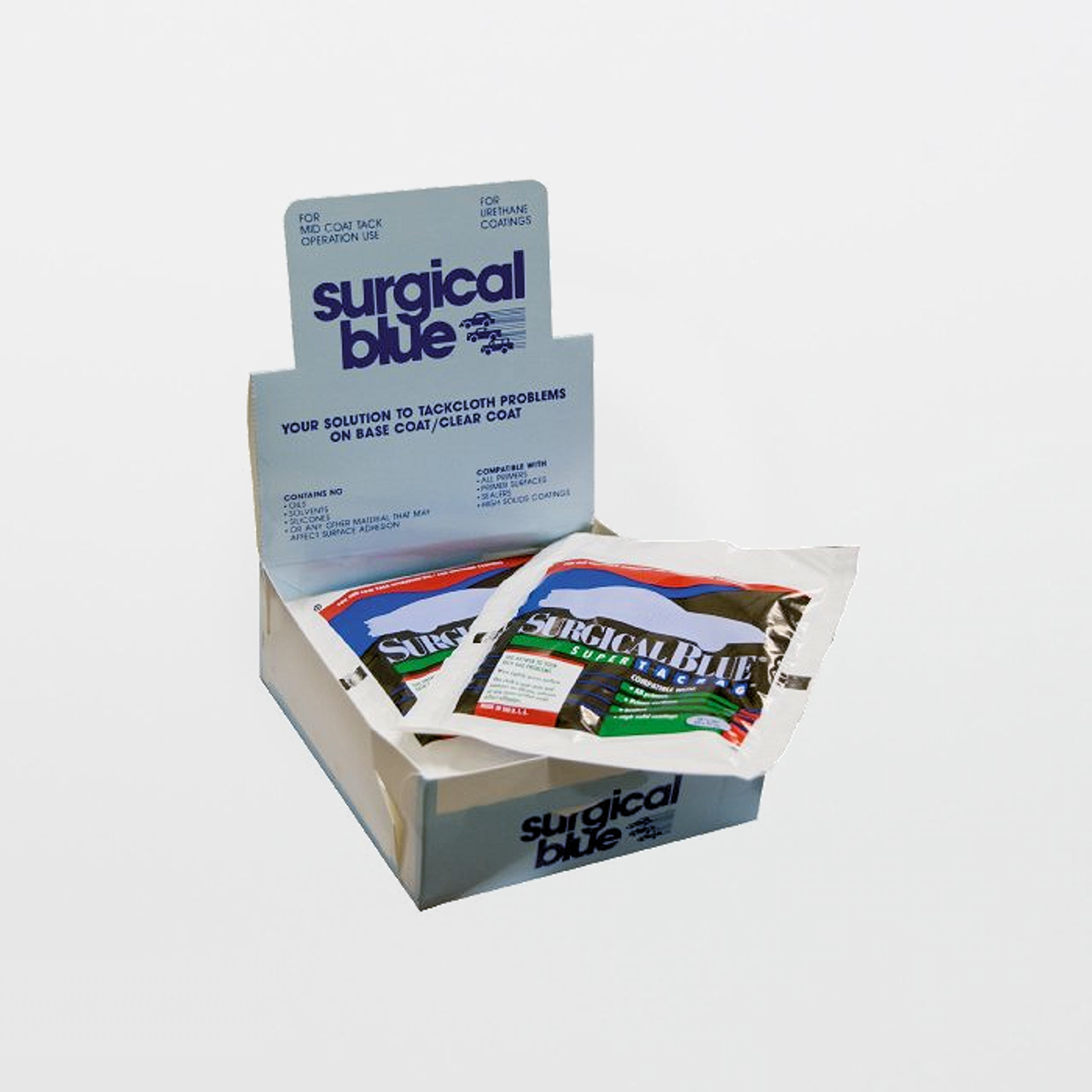
12 Boxes of 12 Tack Cloths (144 Total)
Case of 18" x 36" Tack Cloth “Surgical Blue” (Cheesecloth Fabric) | Surgical Cloth — Medium Tack, Individually Bagged (144/case)
Surgical Blue tack cloths are large-format, tack-treated cheesecloth wipes used to pick up dry dust, fines, and light debris from surfaces before critical finishing steps. On SOSCleanroom, this case configuration is positioned for consistent surface preparation where re-deposited particles can show up as defects, rework, or repeat cleaning passes. The 18" x 36" format supports broad panels, fixtures, and tooling without stitching together multiple small wipes.

In technician practice, tack cloths work best as a final dry pickup step after gross cleaning: use light contact, do not overwork the surface, and retire the cloth when it begins to load. That discipline reduces smearing, residue transfer, and fiber/particle mobilization that can occur when wipes are reused past their effective life.

Product Details
  • SOSCleanroom SKU: SurgicalBlue
  • Available quantity option: Case
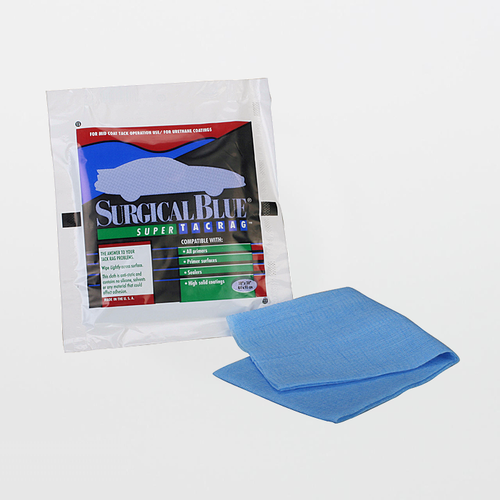
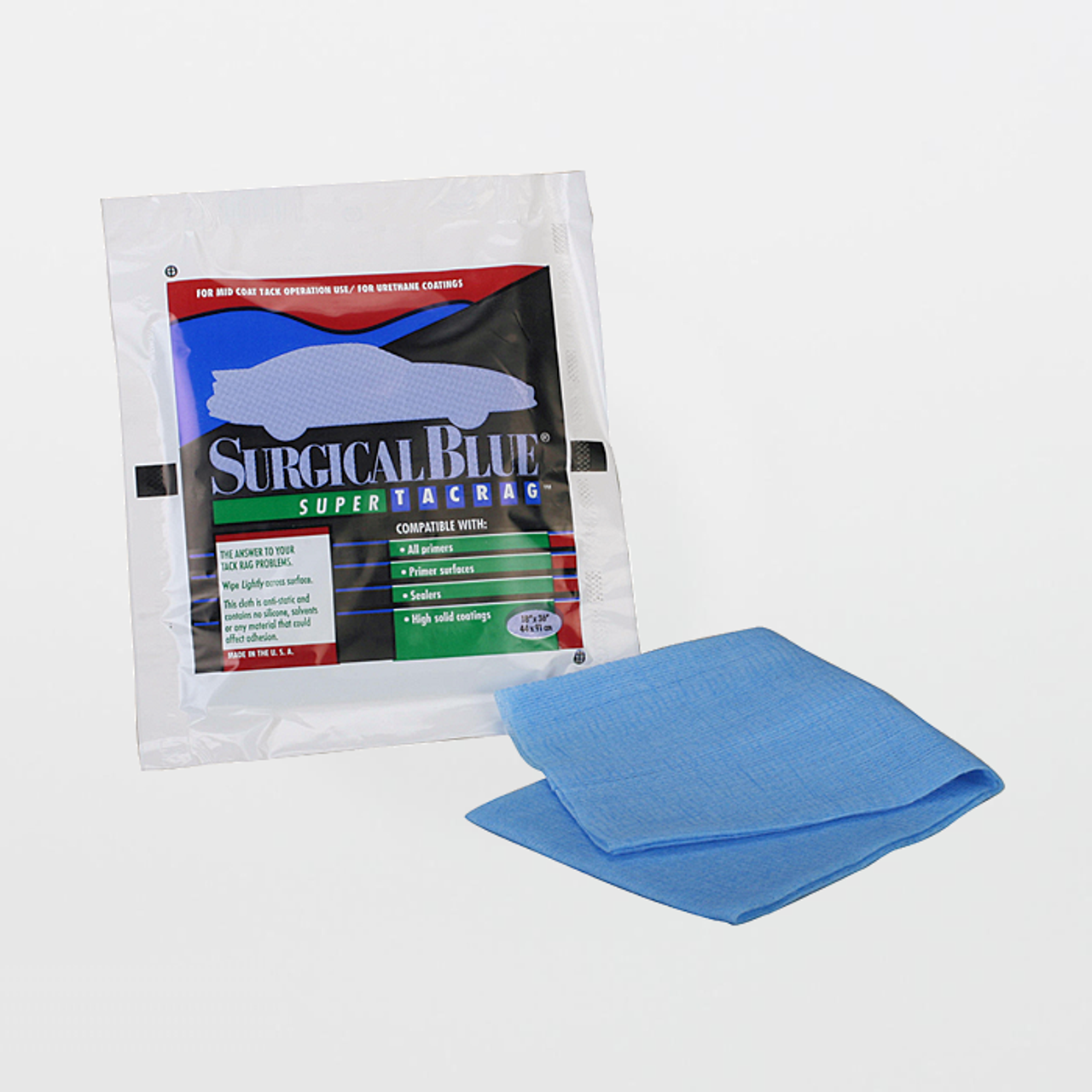
  • Case unit: 144 cloths per case (12 boxes of 12 cloths, individually bagged)
  • Cloth size: 18" x 36"
  • Tack level: Medium tack formula
  • Base fabric: Blue cheesecloth base fabric
  • Material statement: High-grade 100% woven cotton treated with a non-hazardous tackifier solution (as described on SOSCleanroom)
  • Packaging: Individually bagged; 12 bags per dispensing box; 12 boxes per case
Low-linting intent — and the reality check
Tack cloths are selected for controlled pickup with low-linting behavior versus standard rags. Even so, no wipe is truly “lint-free” in real-world handling. Treat tack cloths as contamination-controlled tools: limit exposure time, avoid aggressive rubbing, and keep cloths sealed until use to reduce airborne loading and re-deposition risk.

Practical use guidance
  • Use as a final dry pickup step: Apply after gross cleaning and dry-down. Tack cloths are most effective when they are capturing fine residual dust, not wet soils or heavy residues.
  • Light contact, single direction: Use light pressure and long, single-direction passes. Heavy pressure can increase tack transfer and smear fine debris across the surface.
  • Fold for control: Fold into a manageable pad to keep a clean working face. Refold to a clean area as the cloth loads to reduce re-deposition.
  • Glove control: Keep gloves dry. Wet gloves (solvent or water) can reduce tack performance and increase smear/transfer risk.
  • Retire early: If the cloth begins to drag, streak, or feel saturated with debris, discard it. Overuse is a common root cause of finish defects and repeat work.

Compatibility and wipe-down notes
  • Solvent use (IPA, acetone, blends): Not published for this product on the SOSCleanroom page. In general practice, tack cloths are used dry; if your process requires solvent contact, qualify for tack transfer, streaking, and residue under your exact solvent load and surface type.
  • Aqueous use (DI water / detergents): Not published. Avoid wet use unless validated for your process, since moisture can change pickup behavior and increase smear/transfer risk.
  • Sensitive surfaces: For optical, coated, or high-gloss surfaces, validate on a non-critical area first. Use minimal pressure to reduce the risk of streaking or tack residue.
  • Sterility: Not stated as sterile on the SOSCleanroom product page. Do not assume sterile for aseptic programs; use products explicitly labeled sterile when required by the program.

Common failure modes 
  • Smearing / streaking: Often caused by too much pressure, reusing a loaded cloth, or applying the cloth to a surface that still has wet chemistry. Prevent with light contact, clean-face refolding, and dry-surface discipline.
  • Residue transfer: Can occur if the tackifier loads with soils or the cloth is overworked. Prevent by discarding cloths early and avoiding repeated passes over the same area.
  • Particle re-deposition: Happens when cloths are left exposed, used beyond capacity, or dragged across dirty staging surfaces. Prevent by keeping cloths sealed until use and staging on clean, dedicated prep surfaces.
  • Fiber/edge shedding: Can be triggered by snagging on sharp edges, abrasive surfaces, or aggressive wiping. Prevent by folding into a controlled pad and avoiding scraping motions.
  • Static attraction: Not stated on the SOSCleanroom page; however, in low-humidity environments, wipes and packaging can attract fines. Follow your site ESD and humidity controls to reduce airborne loading.

Storage and handling best practices
  • Keep cloths sealed in their individual bags until point-of-use to minimize airborne loading and accidental contamination.
  • Store away from heat and direct sunlight. Avoid compressing boxes with heavy items that can deform packaging and increase handling contamination.
  • Segregate tack cloth dispensing from wet cleaning chemistry to reduce accidental wetting and tack performance changes.
  • Standardize a discard rule (e.g., one cloth per panel/zone or one cloth per timed interval) to reduce variability and prevent re-deposition.
Documentation 
If your QA file requires an SDS or manufacturer datasheet for this exact tack cloth configuration, request it from SOSCleanroom to ensure the document matches your ordered item and packaging.
If you have any questions please email us at Sales@SOSsupply.com or give us a call at (214)340-8574.

OR check out the AI ChatBot powered by SOSCleanroom data libraries - give it a try!
 
THIS IS NEW FOR 2026!

© 2026 SOS Supply. All rights reserved.