When “dry dust” becomes a finish defect: using 18" x 36" Surgical Blue tack cloths without smearing, shedding, or re-depositing
The Technical Vault | By SOSCleanroom
Tack cloths exist for a specific moment in a controlled process: you have a surface that is “clean enough” from gross debris, but still carrying fines, lint,
and dry dust that will show up as a visible defect after the next step (paint, coating, lamination, adhesive bonding, assembly, or inspection).
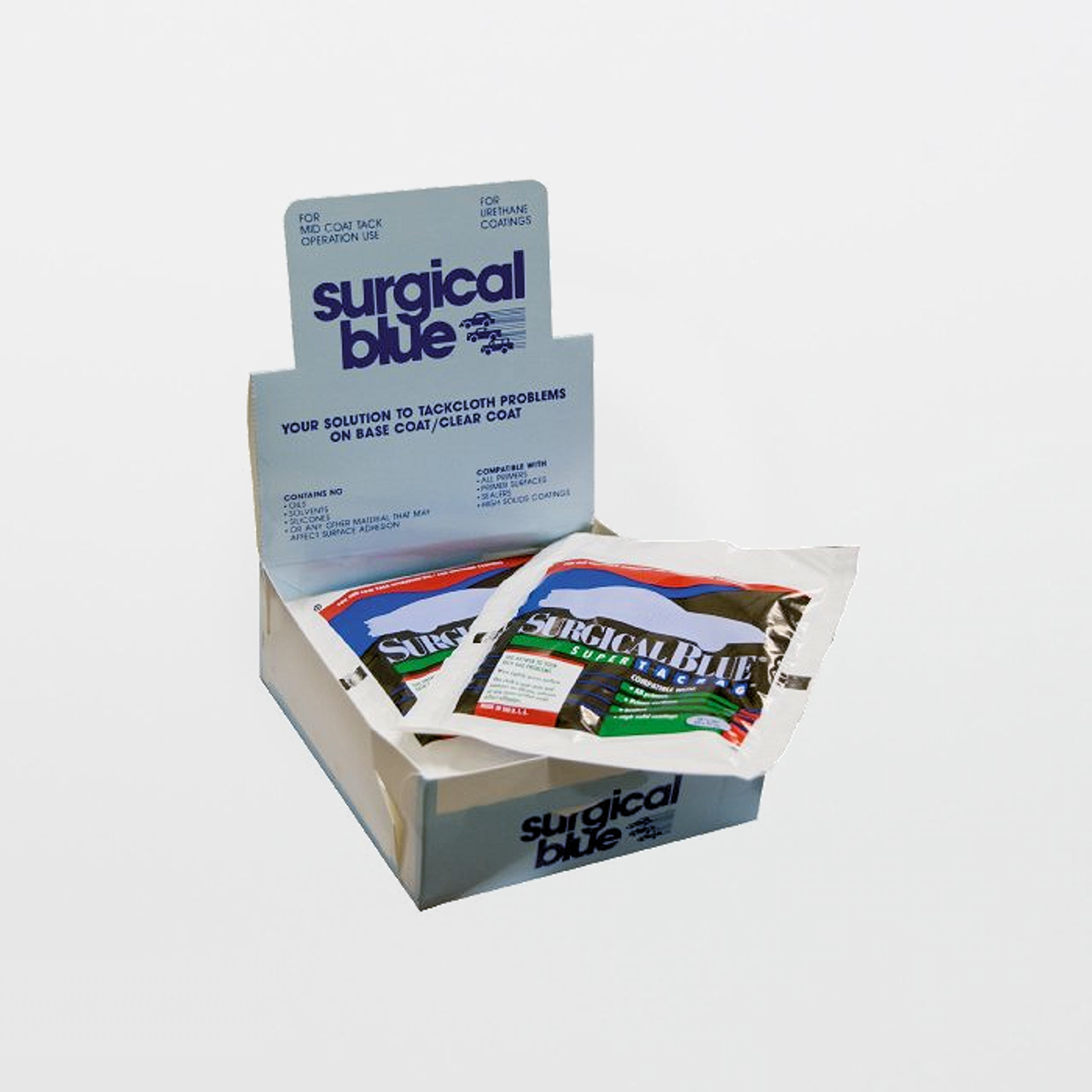
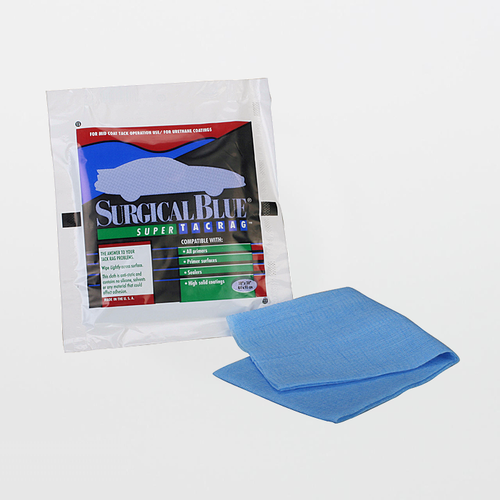
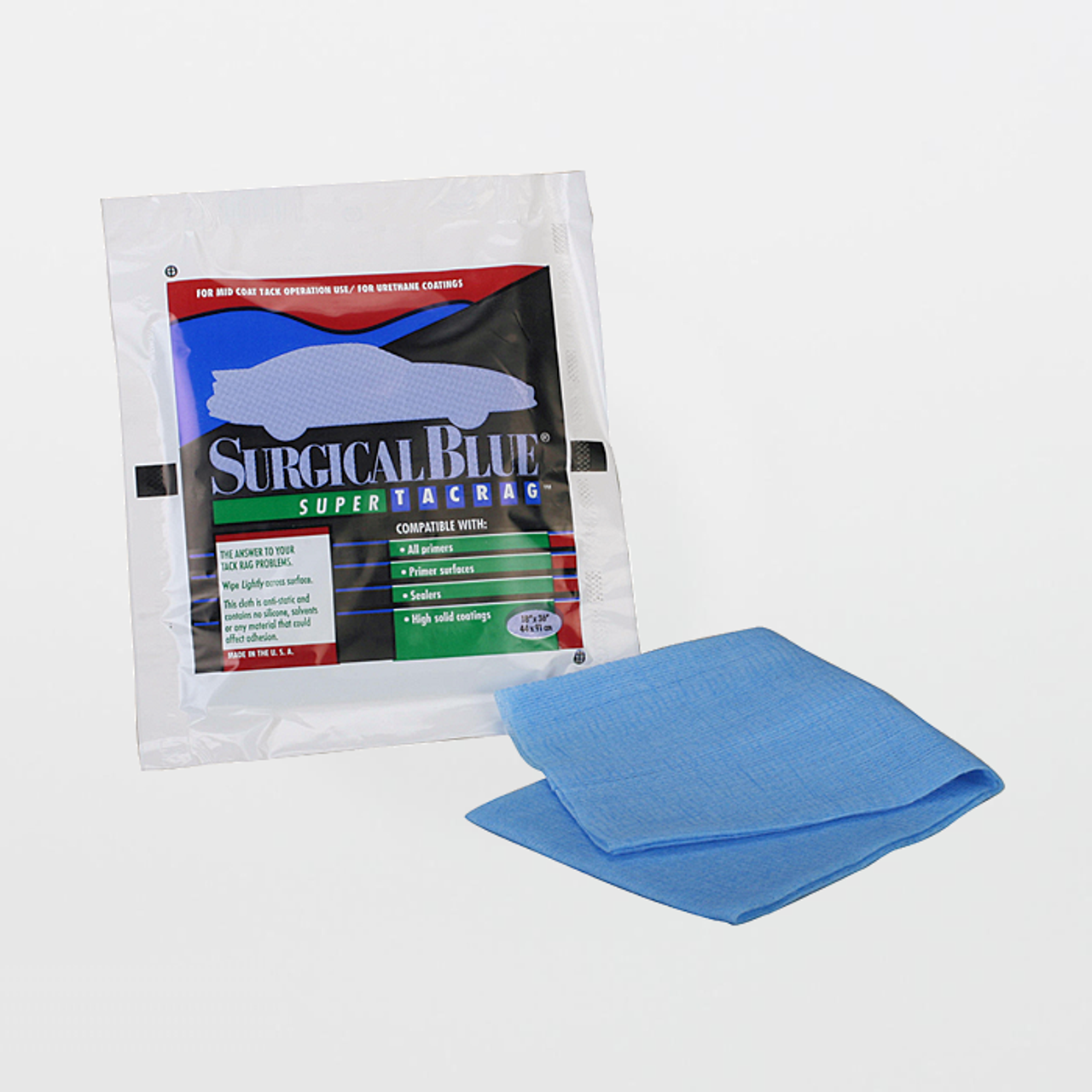
The 18" x 36" Surgical Blue Tack Cloth is a large-format, tack-treated cheesecloth wipe designed to capture those fines before they migrate
into a critical interface.
The catch is technique. Tack cloths remove particles best with light contact, single-direction passes, and early retirement.
When operators overwork a tack cloth, the same tackifier that helps pickup can become a smear and re-deposit mechanism. This guide is written to keep the tack cloth
performing as a controlled “final dry pickup” tool instead of becoming the reason a surface fails the next inspection.
The Operational Problem It Solves
In finishing and surface-prep workflows, the highest rework drivers are often dry contaminants: sanding fines, lint, shop dust, and light debris
sitting on broad panels, fixtures, or tooling. If those fines are not removed, they translate into:
- Visible defects after coating or curing (specks, nibs, haze, texture).
- Adhesion variability where particles create weak boundary layers.
- Repeat cleaning passes that increase labor and raise scratch/shedding risk.
- Re-deposition when a “used” cloth is dragged past its capacity.
Surgical Blue tack cloths are positioned as a dry pickup step for fines and light debris, with a large 18" x 36" footprint that reduces
“multiple-wipe stitching” on broad surfaces.
What It’s For
Surgical Blue tack cloths are tack-treated cheesecloth wipes used to pick up dry dust, fines, and light debris from surfaces
before critical finishing steps. The 18" x 36" format supports broad panels, fixtures, and tooling where smaller wipes increase handling and overlap risk.
In technician practice, tack cloths perform best as a final dry pickup step after gross cleaning and dry-down. They are not positioned as
solvent wipes, and they should not be used as a replacement for wet cleaning chemistry in heavy soil conditions unless your process specifically validates it.
Decision Drivers (What Buyers Should Care About First)
- Large-format coverage: 18" x 36" supports broad surfaces with fewer overlaps and fewer “edge lines.”
- Medium tack formula: designed to capture fines without forcing aggressive pressure (a common smear trigger).
- Individually bagged control: reduces exposure time and helps maintain predictable pickup behavior at point of use.
- Defined case configuration: easier staging, issuing, and discard-rule enforcement in multi-shift operations.
- Technique dependence: tack cloth effectiveness is highly operator-driven; overworking is the fastest route to streaking and re-deposit.
Materials and Construction: Practical Implications
This product is described as a high-grade 100% woven cotton cheesecloth base fabric treated with a non-hazardous tackifier.
Practically, that means the cloth is intended to act as a controlled “particle capture surface” for dry fines.
Low-linting intent — and the reality check: Tack cloths are selected for controlled pickup with low-linting behavior versus standard rags.
Even so, no wipe is truly lint-free in real handling. Snagging on sharp edges, abrasive surfaces, or aggressive wiping can mobilize fibers or edge shedding.
Treat tack cloths as contamination-controlled tools: keep them sealed until use, avoid aggressive rubbing, and discard early.
Dry-use bias: Tack cloths are typically used dry. Wet use (solvents or aqueous) can change pickup behavior, increase smear/transfer risk,
and should be treated as a qualification item rather than an assumption.
Specifications in Context
| SOSCleanroom SKU |
SurgicalBlue |
| Cloth size |
18" x 36" |
| Tack level |
Medium tack formula |
| Base fabric |
Blue cheesecloth base fabric; high-grade 100% woven cotton (as described) |
| Packaging |
Individually bagged; 12 bags per dispensing box; 12 boxes per case |
| Case unit |
12 boxes of 12 tack cloths (144 total) |
| Sterility |
Not stated as sterile; do not assume sterile for aseptic programs |
The operational translation: large coverage reduces overlap lines, and individual bagging supports “open only what you use” discipline.
The most important performance lever is not the inch size — it is whether operators can maintain light pressure and a clean face
without overworking the same cloth.
Performance in Practice: What “Tack Pickup” Really Depends On
-
Dry-surface discipline: tack cloths are most effective capturing dry residual dust after wet cleaning and dry-down. Using them on a surface that
still has wet chemistry increases smear and transfer risk.
-
Pressure control: light contact picks up fines; heavy pressure can increase tack transfer and drag debris into streaks.
-
Face management: fold into a pad, make a pass, refold to present a clean face. A loaded face becomes a re-deposition tool.
-
Staging and exposure time: an individually bagged cloth used immediately behaves differently than a cloth left exposed on a bench.
Keep cloths sealed until point of use.
Why Packaging, Sterility Decisions, and Traceability Matter
The case format supports controlled issuing: 12 boxes of 12, with individual bagging per cloth. That structure reduces repeated
exposure and helps teams standardize discard rules (per panel, per zone, or per timed interval) instead of letting cloth life become “operator judgment.”
Sterility: the product is not stated as sterile on the product page. If your workflow requires sterile transfer into aseptic zones, select a product
explicitly labeled and packaged for sterile introduction and keep it segregated at point of use.
If your QA file requires an SDS or manufacturer datasheet for this exact configuration, request it from SOSCleanroom so the documentation matches the ordered item
and packaging.
Best-Practice Use: Operator-Level Discipline
- Use as a final dry pickup step: apply after gross cleaning and dry-down.
- Light contact, single direction: long, single-direction passes with minimal pressure.
- Fold for control: fold into a pad; refold frequently to a clean working face.
- Keep gloves dry: wet gloves can reduce tack performance and increase smear risk.
- Retire early: if the cloth begins to drag, streak, or feel loaded, discard immediately.
- Stage clean: keep cloths sealed until use and stage on clean prep surfaces (not on carts used for wet chemistry).
Common Failure Modes—and How to Prevent Them
- Smearing / streaking: caused by pressure, reusing a loaded cloth, or working on a not-yet-dry surface. Prevent with light contact, refolding, and dry-surface discipline.
- Residue transfer: can occur if the tackifier loads with soils or the cloth is overworked. Prevent by discarding early and avoiding repeated passes over the same area.
- Particle re-deposition: leaving cloths exposed or dragging them across dirty staging surfaces. Prevent by keeping cloths sealed and staging clean.
- Fiber/edge shedding: snagging on sharp edges or abrasive surfaces. Prevent by folding into a controlled pad and avoiding scraping motions.
- Unvalidated wet use: solvent or water use is not specified for this product. If wet use is required, qualify for tack transfer, streaking, and residue in your method before release.
Closest Alternates (Same Format Family)
18" x 36" Tack Cloth “Unbleached” (Cheesecloth Fabric): alternate base fabric option in the same large-format tack cloth category.
Choose based on your surface sensitivity, visual contamination concerns, and internal finishing specs.
18" x 36" Tack Cloth “Bleached” (Cheesecloth Fabric): alternate base fabric option for programs that standardize on bleached cloth appearance
and visual inspection expectations. Validate on your specific finish and defect criteria.
Where This Product Fits in a Controlled Cleaning Program
Surgical Blue tack cloths fit the surface-prep / final dry pickup layer: after gross cleaning and dry-down, before coating/finishing/assembly
where fines become visible defects. Pair them with disciplined staging (sealed until use), a defined discard rule, and a clear boundary that keeps tack cloths
separated from wet chemistry steps. For aseptic workflows, use products explicitly specified and packaged for sterile introduction when sterility is required.
Source basis
- SOSCleanroom product page: “Case of 18" x 36" Tack Cloth ‘Surgical Blue’ (Cheesecloth Fabric) | Surgical Cloth” (SKU, case configuration, size, tack level, base fabric/material statement, individually bagged packaging, practical use guidance and cautions).
- Operational practice basis applied: dry pickup best practices (light pressure, single-direction passes, fold/refold face control, early retirement, sealed staging to reduce airborne loading and re-deposition).