Cleanroom PCX Polyethylene Tape

$927.09 - $1,005.43
(No reviews yet)
SKU:
PCX
Availability:
7 - 10 Business Days
Shipping:
Calculated at Checkout
Quantity Option (Case 1" x 36 Yards):
36 Rolls
Quantity Option (Case 2" x 36 Yards):
24 Rolls
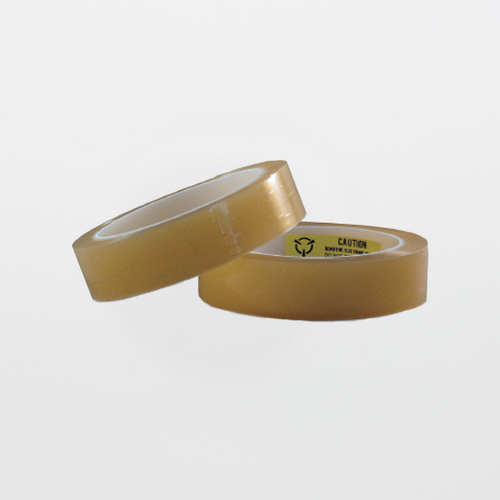
Micronova PCX™ Cleanroom Polyethylene Tape — LDPE Film + Acrylic Adhesive, 36-Yard Rolls (1" and 2"), Low-Outgassing, Color-Coding & Sealing
Cleanroom Processed & Packaged Polyethylene (LDPE) Film Acrylic Adhesive Low Halogens / Low Leachable Chlorides 36 Yards (33 m) Individually Bagged

Overview

Micronova PCX™ is a cleanroom-processed, low-density polyethylene (LDPE) tape engineered for controlled environments where facilities want dependable sealing and labeling performance while minimizing risk from outgassing and chemical residues. The polyethylene film and acrylic adhesive are selected to reduce the chance of outgassing, while maintaining excellent conformability and chemical resistance for everyday cleanroom tasks such as masking, batching, and color-coded identification.

SOSCleanroom stocks proven, best-in-class cleanroom consumables because critical workflows cannot afford uncertainty. When you buy PCX through SOSCleanroom, you are buying the correct configuration for your process, with reliable availability and documentation support.


Why this tape matters in controlled environments
  • Lower risk chemistry: Manufacturer describes PCX as low in halogens and leachable chlorides—helpful where ionic contaminants and residues are scrutinized.
  • Designed for cleanrooms: Processed and packaged in a cleanroom; specified for controlled environments (ISO 5 to ISO 9) in the manufacturer specification.
  • Conformable, practical performance: Polyethylene film + acrylic adhesive support strong everyday use for sealing, labeling, masking, and batching.
  • Traceability support: Manufacturer notes part number and lot number printed on each bag and case, supporting receiving and internal material control.

Typical tasks supported
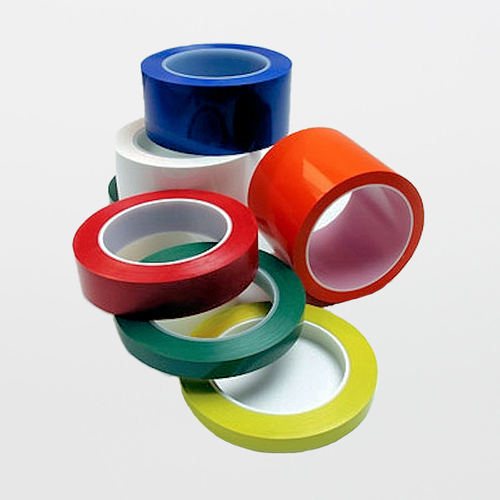
  • Color-coding tools, bins, and process zones
  • Sealing cleanroom bags, liners, and containers
  • Label protection (e.g., over-labeling for water baths)
  • Masking and temporary holds during assembly/inspection
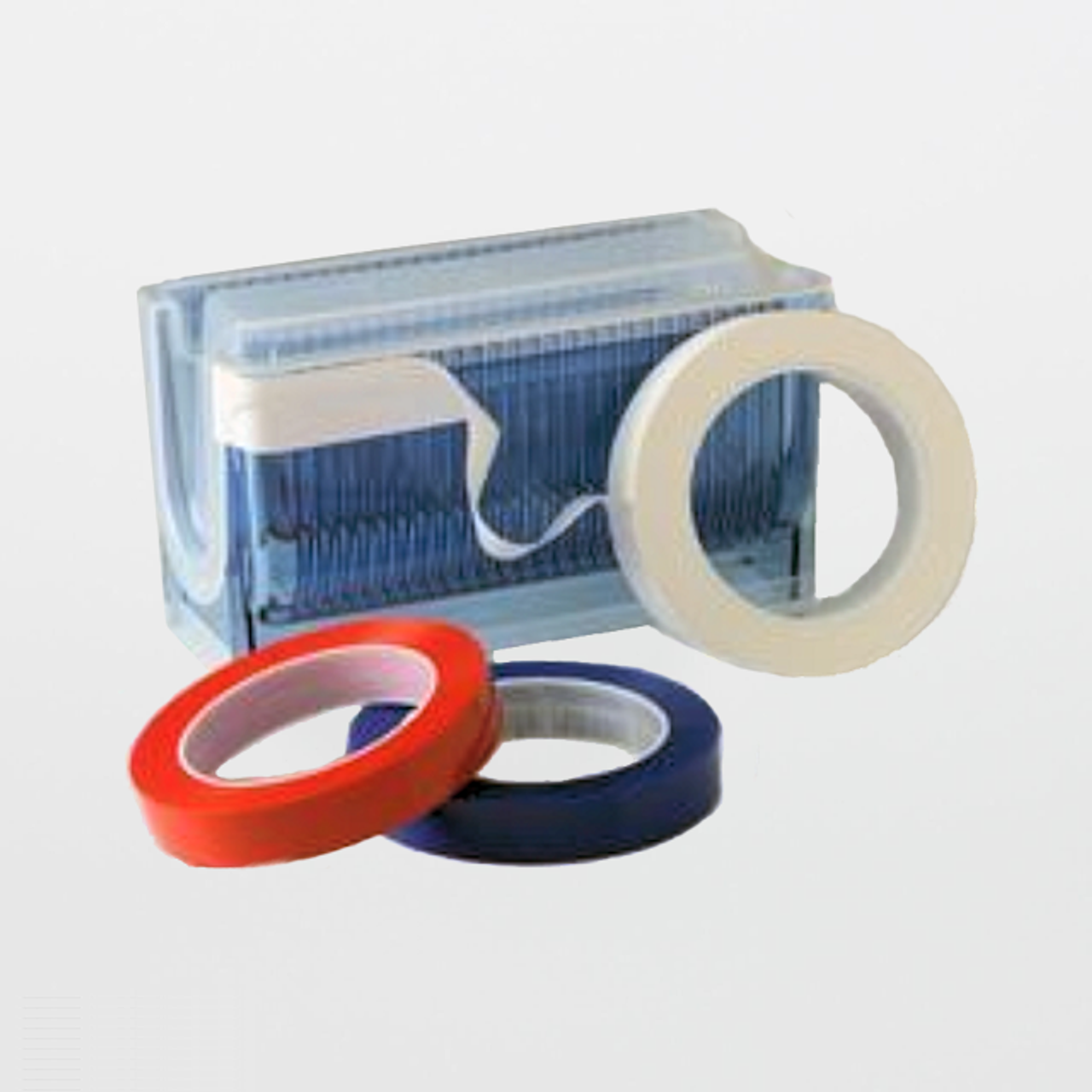
  • Wafer box sealing and similar controlled-environment packaging tasks

Key specifications (published)
Material / adhesive Polyethylene film / Acrylic adhesive
Core 3" plastic core
Roll length 36 yards (33 m)
Autoclavability Not autoclavable
Packaging Individually bagged; part number + lot number printed on each bag and case
This SOSCleanroom listing (options) Tape Size: 1" x 36 yards, 2" x 36 yards
Case Unit (per listing): 1" = 36 rolls/case (White & Transparent only); 2" = 24 rolls/case
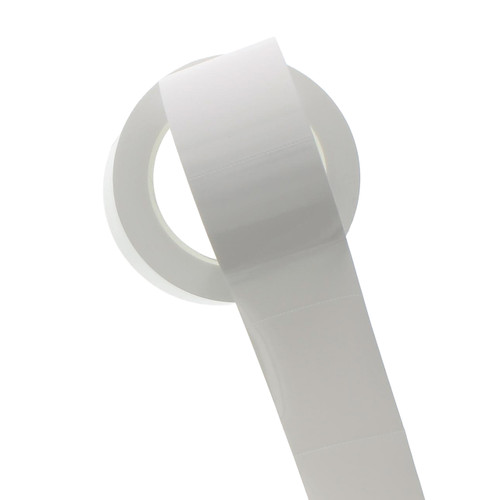
Colors (per listing): Dark Blue, Orange, Yellow, White, Transparent

Tip: For best adhesion consistency, apply tape to a clean, dry surface and burnish firmly—especially on textured bags and liners.


Documentation

Use these manufacturer documents for qualification packets and internal material review.


If you have any questions please email us at Sales@SOSsupply.com or give us a call at (214)340-8574. OR check out the AI ChatBot powered by SOSCleanroom data libraries - give it a try! THIS IS NEW FOR 2026! © 2026 SOSCleanroom. All rights reserved.
The Technical Vault
By SOSCleanroom
Micronova PCX™ Cleanroom Polyethylene Tape — LDPE Film + Acrylic Adhesive, 36-Yard Rolls (1" & 2" Widths), Cleanroom Processed & Individually Bagged
LDPE film Acrylic adhesive 36 yards (33 m) 3" plastic core Individually bagged Low halogens / low leachable chlorides Non-sterile

1. Practical solutions in a critical environment

Tape is a “small consumable” that frequently creates outsized problems: residues, bag seal failures, uncontrolled materials entering the clean area, and inconsistent labeling practices between shifts. The cleanroom win is program control — one approved tape family, a defined staging method, and a standard surface-prep sequence before application.

PCX is positioned for controlled environments where teams want dependable sealing and color-coding performance while minimizing risk associated with outgassing and ionic residues. Standardize PCX at the station and you reduce substitutions, rework, and investigation time.


2. What this tape is for
  • Sealing cleanroom bags, liners, and containers
  • Masking and temporary holds during assembly, inspection, or kitting
  • Color-coded identification of tools, bins, zones, and process status
  • Label protection / over-labeling in wet-handling workflows (where permitted by SOP)
  • Controlled-environment packaging tasks (example: wafer box sealing)

3. Selection rationale
  • Cleanroom-appropriate construction: LDPE film + acrylic adhesive selected for everyday cleanroom sealing and masking tasks.
  • Lower risk chemistry focus: Manufacturer describes PCX as low in halogens and low in leachable chlorides for residue-sensitive programs.
  • Cleanroom processing discipline: Described as cleanroom processed and packaged; rolls are individually bagged.
  • Traceability support: Manufacturer notes part number and lot number printed on each bag and case to support receiving controls.
  • Operational practicality: 36-yard rolls on a 3" plastic core support predictable usage and easier station standardization.
SOSCleanroom selection philosophy
Tape is a contamination-control item and a documentation-control item. Standardize the tape, standardize the station, and the tape stops being a recurring “mystery variable” in deviations and rework.

4. Materials and construction
  • Backing film: Low-density polyethylene (LDPE)
  • Adhesive: Acrylic
  • Core: 3" plastic core
  • Roll length: 36 yards (33 m)
  • Packaging: Individually bagged; part number + lot number printed on each bag and case (manufacturer description)

5. Specifications in context

Tape performance is driven by the full system: surface condition, pressure/burnish, dwell time, removal method, and operator handling. PCX supports strong daily utility, but the outcomes that matter (adhesion consistency and clean removal) come from station discipline.

Specification Value Operational meaning
Tape construction LDPE film / Acrylic adhesive Good balance of conformability and cleanroom practicality for sealing, masking, and identification tasks.
Roll length 36 yards (33 m) Supports consistent station consumption and easier replenishment planning.
Core 3" plastic core Compatible with common tape dispensers; helps keep tape handling controlled.
Autoclavability Not autoclavable Do not send through steam cycles; select an autoclave-rated label/tape when required.
Cleanroom packaging discipline Individually bagged; traceability printed on bag/case Supports controlled introduction and receiving practices that reduce mix-ups and substitutions.

6. Cleanliness metrics

PCX is described as cleanroom processed and packaged, and positioned for controlled environments. For residue-sensitive programs, the manufacturer describes low halogens and low leachable chlorides as part of the chemistry rationale.

Practical note: Most tape-related “contamination events” come from touch points and exposed rolls. Keep tape covered, standardize gloves at the station, and use a defined wipe-down step before application.


7. Packaging, sterility, and traceability
  • Sterility: Non-sterile tape product
  • Packaging: Individually bagged (manufacturer description)
  • Traceability: Manufacturer notes part number and lot number printed on each bag and case
  • Receiving control: Keep bags sealed until point-of-use; overbag per facility SOP where required

8. Best-practice use
Customer SOP disclaimer
This guidance is provided as a suggested starting point for customer SOP development and operator training. Every facility and process is different. Customers must evaluate risk, validate procedures, and obtain appropriate QA approval before implementation.
  • Prep first: Apply to clean, dry surfaces. Films and moisture drive lift and inconsistent adhesion.
  • Burnish for consistency: Apply firm pressure, especially on textured bags/liners, to reduce edge lift.
  • Control dwell time: Define how long tape may remain applied before removal/replacement to reduce residue risk.
  • Protect the roll: Keep the roll covered between uses to reduce particulate pickup and adhesive-edge touch events.
Suggested pairings: station items that improve adhesion consistency and traceability
PCX performance is strongest when the station is standardized. These pairings reduce the two most common causes of tape issues: poor surface prep and uncontrolled writing/handling tools.
Use case Recommended item Why it pairs well
Surface prep before sealing or masking Texwipe TX1009 AlphaWipe® 9" x 9" Polyester Cleanroom Wiper Removes dust/films that cause lift and inconsistent adhesion on bags, bins, and trays.
Detail cleaning on seams, ridges, and tight geometries Texwipe TX761 Alpha Polyester Cleanroom Swab (Long Handle) Improves coverage where tape edges typically fail first due to residues in corners and seams.
Operator handling control at tape/packaging stations Ansell 93-311 Nitrilite™ Cleanroom Nitrile Gloves (ISO 5 / Class 100) Reduces oil transfer and uncontrolled touch points on adhesive and packaging surfaces.
Writable identification without uncontrolled stationery Micronova Cleanroom Pens (Black or Blue) Standardizes writing tools for bag/tape marking and reduces “random pen” migration into controlled areas.
Durable marking when a pen is not sufficient Micronova Cleanroom Irradiated Sharpie Markers Provides a controlled marker option for quick ID and status marks on bags, labels, and tape.
When a tape mark should become a structured label Texwipe TX532 Cleanroom Labels (3" x 2") Improves traceability when you need defined fields, better durability, and cleaner presentation vs. tape notes.
Guardrail: If your process is ESD-sensitive, confirm whether an ESD-specific tape is required by your ESD program. Cleanroom suitability and ESD suitability are not the same requirement.

9. Common failure modes
  • Seal failures on bags/liners: Typically surface moisture/films or insufficient burnish pressure.
  • Edge lift: Residues on textured surfaces; improve wipe-down and dwell-time controls.
  • Residue at removal: Often driven by long time-in-place or aggressive removal technique; define dwell limits and removal method.
  • Uncontrolled tools at station: Office pens/markers/tape substitutions undermine contamination control and traceability.

10. Other tapes and labels to consider

Programs often standardize multiple materials: one for cleanroom sealing, one for facility marking, and labels for structured traceability.


11. Program fit for regulated cleanrooms
  • Contamination control: Supports controlled-environment masking and sealing when introduced and handled under SOP controls.
  • Traceability support: Manufacturer-described part/lot printing on bag and case supports receiving discipline where required.
  • Audit readiness: Reduces “random tape” workarounds when the tape station (prep, handling, tools) is standardized and documented.

12. Source basis
Product documentation
  • Manufacturer-described construction and configuration: LDPE film + acrylic adhesive; 36 yards (33 m); 3" plastic core; individually bagged; traceability printing on bag and case.
  • Manufacturer-described chemistry positioning: low halogens and low leachable chlorides; low-outgassing intent.
  • Pairing product listings for station standardization: wipers, swabs, gloves, pens/markers, labels, and alternative tapes (links provided in Sections 8 and 10).
Standards & guidance references
These references are included to support terminology and program alignment. Customers should confirm applicability to their processes and approved SOPs.

Technical Vault Notice
Important disclaimer: This entry is provided for general process support and reference only. It is not regulatory, legal, medical, or validation advice.
Customers must evaluate risk, confirm applicability to their processes, and follow their approved SOPs, QA requirements, and the manufacturer’s instructions for use.
Questions or documentation requests: Sales@SOSsupply.com  |  (214) 340-8574
Last reviewed: February 1, 2026
© 2026 SOSCleanroom.com