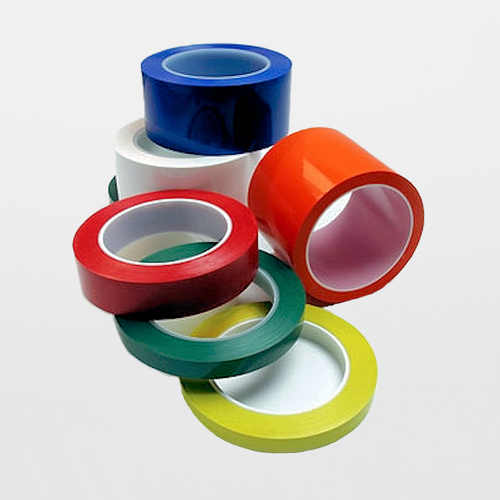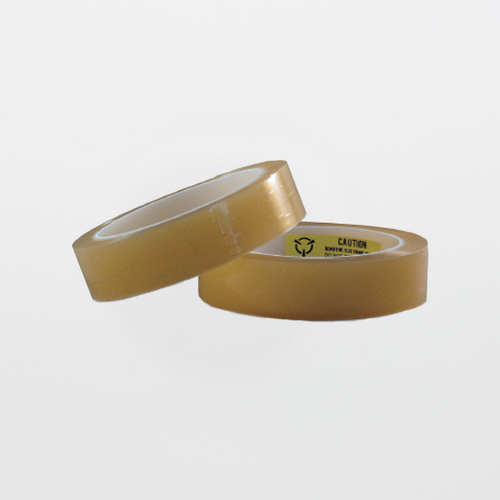
Cleanroom SST Striped Safety Tape

$355.20 - $649.54
(No reviews yet)
SKU:
SST18
Availability:
7 - 10 Business Days
Shipping:
Calculated at Checkout
Quantity Option (Case 1" x 18 Yards):
36 Rolls
Quantity Option (Case 2" x 18 Yards):
24 Rolls
Quantity Option (Case 3" x 18 Yards):
12 Rolls
Cleanroom SST Striped Safety Tape — Visual Hazard Identification and Area Demarcation
Cleanroom compatible Striped safety pattern Visual management aid Pressure-sensitive adhesive Facility and cleanroom use

Product overview
Cleanroom SST striped safety tape is designed to provide clear, highly visible hazard identification and area demarcation in controlled environments. The contrasting striped pattern supports quick visual recognition of restricted zones, traffic lanes, equipment boundaries, and safety-related areas while maintaining compatibility with cleanroom housekeeping and contamination-control practices. This tape supports visual management programs without introducing unnecessary particulate or adhesive residue typical of general-purpose safety tapes.

Why customers choose SST safety tape
  • High-contrast striped pattern improves visibility in cleanroom and facility settings.
  • Supports visual management and safety zoning without permanent markings.
  • Pressure-sensitive adhesive allows clean application and controlled removal.
  • Compatible with routine cleanroom cleaning and housekeeping practices.
  • Helps reinforce procedural discipline and spatial awareness.
Use note: Tape performance should be verified on your specific flooring or surface material prior to full deployment.

Recommended applications
  • Hazard and caution area marking
  • Walkway and traffic lane identification
  • Equipment boundary and clearance marking
  • Restricted or controlled access zones
  • Visual management in cleanrooms and support areas

Specifications (from published technical data)
Product type Striped safety tape
Pattern High-contrast striped
Adhesive Pressure-sensitive
Surface compatibility Floors, walls, equipment surfaces (verify prior to use)
Environment Cleanroom and controlled facility areas

Visual management and safety guidance
In cleanroom and controlled environments, visual management tools such as safety tape are commonly used to reinforce spatial discipline, reduce accidental encroachment, and support operator awareness. Cleanroom-compatible tapes are preferred to help minimize particulate contribution and adhesive residue during routine cleaning.
As a secondary benchmark, EU GMP Annex 1 highlights the importance of orderly layout and clear segregation of activities. Visual demarcation tools such as striped safety tape can support these principles when integrated into documented facility and safety SOPs.

If you have any questions please email us at Sales@SOSsupply.com or give us a call at (214) 340-8574.
If you need additional information please try our SOSCleanroom specific AI ChatBot which draws from our extensive cleanroom libraries.
Last updated: January 30, 2026
© 2026 SOSCleanroom.com
The Technical Vault
By SOSCleanroom
Cleanroom SST Striped Safety Tape — High-Visibility Hazard & Zone Marking Tape for Controlled Environments (Striped Safety Pattern)
Safety stripe pattern Aisle / zone marking Hazard identification Facility visual controls Cleanroom-processed option Non-sterile

1. Practical solutions in a critical environment

Visual controls are part of contamination control. In controlled environments, floor and zone marking is not “housekeeping” — it is how teams prevent traffic drift, protect critical zones, and reduce cross-activity risks that show up as excursions and investigations. The tape itself matters, but the real win is a standardized marking program: approved tape, approved surface-prep method, and a defined inspection/refresh interval.

SST striped safety tape is used when the mark needs to be instantly understood at a glance: hazard boundaries, restricted zones, and controlled pathways where clarity is the objective.


2. What this tape is for
  • Hazard marking (warning boundaries, restricted access, high-risk work areas)
  • Aisle and pathway designation in controlled areas
  • Zone segmentation for material flow and staging discipline
  • Temporary controls during maintenance, qualification, or controlled construction activities

3. Selection rationale
  • High-visibility messaging: Striped pattern is instantly recognizable for hazard and boundary communication.
  • Program control: Using an approved safety tape reduces ad-hoc substitutes (paint, uncontrolled tapes) that shed, smear, or leave residues.
  • Cleanroom discipline: Best results come from a controlled install: standardized surface prep, installation method, and inspection interval.
  • Operational efficiency: Tape allows fast zone updates without shutting down areas for curing time (vs. paint), when permitted by facility SOP.
SOSCleanroom selection philosophy
The best marking programs are boring: the same tape, the same prep method, and the same refresh cadence. That is how you prevent “lane drift” and reduce traffic-related contamination risks.

4. Materials and construction
  • Format: Striped safety pattern tape
  • Primary use: Floor and zone marking / visual controls
  • Sterility: Non-sterile (use within facility controls)
Note: Floor tapes vary by backing and adhesive system. Always validate on your specific flooring type (epoxy, tile, vinyl, sealed concrete) and cleaning chemistry.

5. Specifications in context

In controlled environments, the “spec” that matters most is whether the tape stays down through your actual cleaning cycle and traffic load without edge lift, residue transfer, or pattern degradation. That depends on surface prep and dwell time as much as tape selection.

Program element Why it matters Operational meaning
Surface prep Most lift events start here Define a wipe-and-dry sequence before installation and before any rework.
Install method Controls edge quality Use consistent pressure/burnish and avoid stretching during install.
Cleaning chemistry Can attack adhesive/bond line Validate tape durability under your disinfectant schedule and mop method.
Inspection cadence Prevents chronic edge lift Set a refresh/repair interval (weekly/monthly) based on traffic and cleaning intensity.

6. Cleanliness metrics

Floor and safety tapes are used in controlled environments specifically to prevent uncontrolled substitutes from entering critical areas. Cleanliness performance is primarily governed by handling and installation: protecting the roll, avoiding adhesive contamination, and prepping surfaces correctly.

Practical note: Tape edges become “dirt traps” when they lift. Rapid repair is a contamination-control activity, not a cosmetic one.


7. Packaging, sterility, and traceability
  • Sterility: Non-sterile tape product
  • Introduction control: Keep sealed until use; overbag per facility SOP where required
  • Traceability: Control part number/lot at receiving when required by your quality system

8. Best-practice use
Customer SOP disclaimer
This guidance is provided as a suggested starting point for customer SOP development and operator training. Every facility and process is different. Customers must evaluate risk, validate procedures, and obtain appropriate QA approval before implementation.
  • Prep the floor: Remove residues/films and allow full dry-down before install.
  • Install without stretch: Stretching during install can lead to shrink-back and edge lift later.
  • Burnish edges: Pay special attention to edges; that is where lift starts and contamination accumulates.
  • Set an inspection cadence: Repair early edge lift immediately; refresh tape based on traffic and cleaning schedule.
Suggested pairings: surface prep & controlled marking tools
The most common cause of floor tape failures is poor surface condition. Standardize a “prep set” and an approved marking tool so the program is consistent.
Use case Recommended item Why it pairs well
Floor wipe-down before tape installation or repairs Texwipe TX1009 AlphaWipe® 9" x 9" Polyester Cleanroom Wiper Removes films that cause early lift; supports consistent prep without uncontrolled rags.
Detail prep at corners, seams, and equipment feet zones Texwipe TX761 Alpha Polyester Cleanroom Swab (Long Handle) Targets tight areas where residues persist and tape edges tend to fail first.
Operator handling control during installation Ansell 93-311 Nitrilite™ Cleanroom Nitrile Gloves Reduces oil transfer and improves consistency when handling adhesive-backed tape.
Controlled writing/notation for zone IDs and status notes Cleanroom Pens (Black or Blue) Prevents office pens from entering controlled areas and supports consistent documentation habits.
When a boundary needs a formal label sign-off Texwipe TX532 Cleanroom Labels (3" x 2") Adds structured traceability when a tape boundary also needs documented ID fields.
Guardrail: If your program uses strong oxidizers or high-frequency disinfectant mopping, validate tape durability under your actual chemistry and dwell time. Many “tape failures” are chemical-compatibility issues.

9. Common failure modes
  • Edge lift: Usually a surface-prep issue or install stretch issue; fix prep and burnish edges.
  • Pattern degradation: Often driven by harsh chemistry, abrasive scrubbing, or heavy traffic; validate for your cycle.
  • Residue at removal: Driven by long dwell times and chemistry exposure; set refresh intervals and removal technique.
  • Program drift: Multiple tape types appear over time; control purchasing and station stocking.

10. Other tapes to consider

Facilities often standardize multiple tape families: one for hazard/visual controls, one for sealing/masking, and one for general labeling/batching.


11. Program fit for regulated cleanrooms
  • Traffic discipline: Supports controlled pathways and zone segregation, reducing cross-activity contamination risk.
  • Safety communication: Striped pattern improves hazard recognition without relying on verbal reminders.
  • Audit readiness: Visual controls that remain intact, clean, and maintained signal procedural discipline.

12. Source basis
Product documentation
  • SOSCleanroom product listing and category context for cleanroom tapes used in visual control and facility marking programs.
  • Pairing product listings for station discipline: wipers, swabs, gloves, pens/markers, and alternative tape families (links provided in Sections 8 and 10).
Standards & guidance references
These references are included to support terminology and program alignment. Customers should confirm applicability to their processes and approved SOPs.

Technical Vault Notice
Important disclaimer: This entry is provided for general process support and reference only. It is not regulatory, legal, medical, or validation advice.
Customers must evaluate risk, confirm applicability to their processes, and follow their approved SOPs, QA requirements, and the manufacturer’s instructions for use.
Questions or documentation requests: Sales@SOSsupply.com  |  (214) 340-8574
Last reviewed: February 1, 2026
© 2026 SOSCleanroom.com