The Technical Vault
By SOSCleanroom
Skin Protection & Hand Hygiene
Alcohol-Free
Barrier Lotion (Dimethicone)
Pump Included (1/Case)
In controlled environments, hand hygiene can become a hidden throughput and compliance problem: frequent sanitizing dries skin, dryness increases
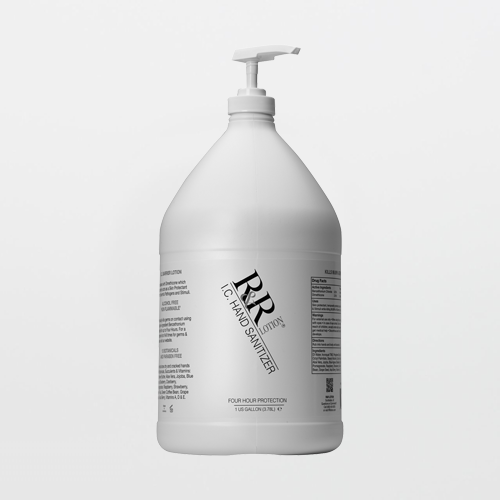
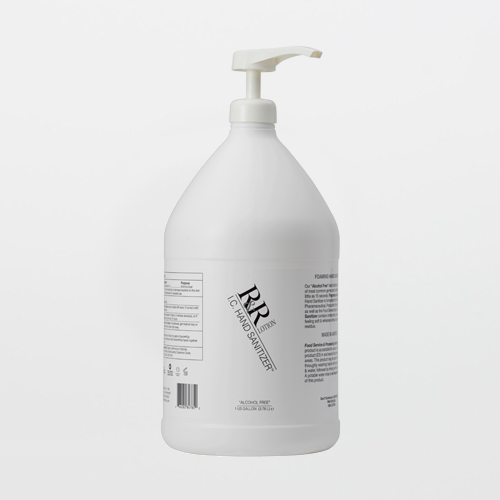
glove changes, and glove changes increase waste and variability. The I.C. Hand Sanitizing Lotion is positioned to solve that workflow gap
with an alcohol-free sanitizing lotion that also functions as a barrier-style skin protectant using dimethicone.
The manufacturer states the product kills 99.99% of germs for up to four hours, and it is positioned as an alternative to
alcohol-based sanitizers where repeated use and skin condition are operational concerns. Use this within your site’s hygiene SOPs and risk assessment,
especially where regulated claims, documentation, or specific kill-step requirements apply.
Quick Specs
| Pack-Out |
Case of four (1-gallon) bottles; one pump per case |
| Formula Positioning |
Alcohol-free sanitizing lotion; dimethicone barrier feel |
| Performance Claims (Manufacturer-Stated) |
Kills 99.99% of germs up to 4 hours; includes HIV, Hep C, MRSA, E. coli, Salmonella |
| Returns |
Non-returnable product |
The Operational Problem It Solves
Hand hygiene failures in production rarely look like “no sanitizer.” They look like technique drift (incomplete coverage),
skin irritation (reduced compliance), and workflow shortcuts (touching common surfaces, then returning to the line).
Alcohol-heavy routines can accelerate dryness for some users; dryness drives glove changes and can increase particulate shedding from irritated skin.
This product is positioned as a combined sanitizing + barrier step to help stabilize behavior over long shifts: sanitize, maintain
skin condition, and reduce the “I’ll skip it this time” failure mode that shows up when hands are uncomfortable.
What It’s For
Use as a routine hand hygiene and skin-protection step in areas where an alcohol-free option is preferred by the program, and where barrier-style
protection is beneficial (frequent glove changes, repeated washing, or work that stresses skin condition).
It is commonly deployed at gowning transitions, hand-wash stations, and high-touch entry points where the goal is to reduce contamination transfer
while supporting user comfort and compliance.
Decision Drivers (What Buyers Should Care About First)
- Alcohol-free posture: supports programs that want an alternative to alcohol-based sanitizers for routine use.
- Barrier behavior (dimethicone): positioned to help shield skin in biological and chemical environments and reduce dry-skin stress.
- Compliance stability: comfort drives repeatable use; repeatable use drives real risk reduction.
- Pack-out reality: four 1-gallon bottles per case, but only one pump per case—plan dispensing hardware accordingly.
- Documentation: SDS availability supports EHS review, training, and site approval workflows.
Formula Notes: Practical Implications
The product is described as an “antibacterial barrier hand lotion” that uses dimethicone as a protective barrier component and includes
a broad botanical/antioxidant blend (aloe vera, jojoba, blue agave, multiple berries, green tea, green coffee bean, grape seed, acai) plus vitamins
A, D, and E. Operationally, that positioning matters in two ways: it is meant to support skin condition under frequent hygiene cycles, and it can
influence how the lotion feels under gloves.
If your site is highly residue-sensitive (optics, coating, bonding, high-impedance electronics), treat any lotion as a controlled input: keep it at
defined stations, require full dry-down (or defined absorption time), and keep hands off product-contact surfaces per SOP.
Best-Practice Use
- Standardize dose: define “one pump” (or measured amount) in the SOP so coverage is consistent across shifts.
- Coverage discipline: include fingertips, nail beds, between fingers, and thumbs—these are the most common miss zones.
- Dry-down/absorption time: allow a defined time before donning gloves to reduce slip and to stabilize feel.
- Station control: keep dispensing at controlled points (gowning/entry), not at benches where transfer risk increases.
- Glove compatibility check: if you see grip changes or tear-rate shifts, confirm the program-approved glove/lotion pairing.
Common Failure Modes—and How to Prevent Them
- Over-application: can increase slip under gloves and drive noncompliance. Prevent with defined dosing and timing.
- Under-coverage: “quick rub” misses fingertips and thumbs. Prevent with a defined hand-rub method and training.
- Uncontrolled placement: bottles migrating to benches increases transfer risk. Prevent with controlled stations and ownership.
- Assuming “sanitizing” replaces cleaning: if visible soil is present, follow wash/soil-removal steps per SOP before sanitizing.
Where This Fits in a Controlled Program
Treat this as a workflow stabilizer: a routine, repeatable hand-hygiene step intended to reduce transfer risk while supporting skin
condition in high-frequency hygiene environments. Tie it to written dosing, station control, and glove-don timing. If your program is regulated or
audit-driven, maintain SDS access and document how this product fits into the site hygiene SOP and training records.
Source basis
Current SOSCleanroom description draft (pack-out, non-returnable note, claims, SDS link).
Last reviewed: 2026-05-27
Phone: Or give us a call at (214)340-8574.
If you need additional information please try our SOSCleanroom specific AI ChatBot which draws from our extensive cleanroom specific libraries.
© 2026 SOSCleanroom. All rights reserved.