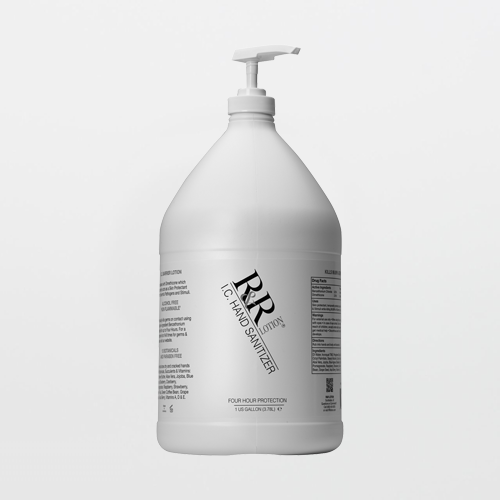
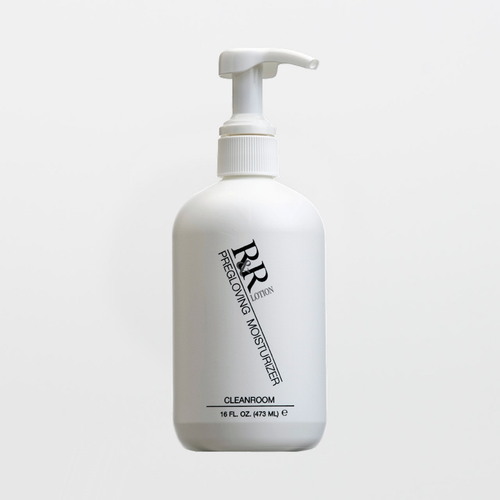
I.C. Hand Sanitizing Lotion (16 oz.)

$124.29
(No reviews yet)
SKU:
ICBL-16
Availability:
7 - 10 Business Days
Shipping:
Calculated at Checkout
Quantity Option (Case):
12 Bottles
I.C. Hand Sanitizing Lotion (16 oz.)
Alcohol-free sanitizer + barrier lotion for frequent-use environments
Case of 12 (16 oz bottles)
Pre-glove compatible use Barrier + moisturize SDS available
Packaging
Available Quantity Option Case
Case Unit 12 Bottles per Case (16 fl oz bottles)
*This is a Non-Returnable Product

This “Alcohol Free” Sanitizing Lotion is positioned as killing 99.99% of germs for up to four hours, including HIV, Hep C, MRSA, E. Coli & Salmonella, offering an alternative to alcohol-based sanitizers. I.C. Antibacterial Barrier Hand Lotion provides a protective barrier using dimethicone to help shield the skin from biological and chemical environments, including bodily fluids.

Built for frequent-use workflows, it is designed to re-moisturize and replenish skin using botanicals and succulents: Aloe Vera, Jojoba, Blue Agave, Blueberry, Cranberry, Pomegranate, Raspberry, Strawberry, Green Tea, Green Coffee Bean, Grape Seed, Acai Berry, and Vitamins A, D & E.

Operator note (cleanroom + glove workflows)
For best consistency, apply a controlled amount, rub thoroughly across fingertips, knuckles, and between fingers, then allow the lotion to set before donning gloves. Avoid over-application; excess product can transfer to glove interiors, tools, or touch surfaces.
Barrier lotion chart
Documentation
Link to I.C. Hand Sanitizing Lotion Safety Datasheet: Click Here

When hands become the contamination vector: using I.C. Hand Sanitizing Lotion to reduce cross-contact risk without alcohol

The Technical Vault  |  By SOSCleanroom

In controlled environments, hand hygiene is not only a health metric — it is a material-flow control. Every time an operator touches a cart handle, a door pull, a bottle pump, or a glove box, that touch can become a cross-contact pathway. I.C. Hand Sanitizing Lotion (16 oz.) is positioned as an alcohol-free sanitizing lotion that also forms a protective barrier using dimethicone, designed for frequent-use settings where dryness and irritation can drive noncompliance.

Operationally, this product is most valuable where the goal is repeatable behavior: a consistent hand-care step that supports hygiene, supports skin condition, and reduces the “I stopped using it because my hands cracked” failure mode in high-wash or high-sanitization environments.

The Operational Problem It Solves

The most common program breakdown is not “no sanitizer.” It is inconsistent use: over-washing and dryness, skipped steps on busy shifts, or product rejection due to skin irritation. When that happens, hands become an uncontrolled variable that can move contamination between stations and increase glove changes, rework, and complaints.

This lotion is designed to support compliance by pairing sanitizing positioning with moisturization and a barrier component, so the hygiene step is more likely to be used consistently.

What It’s For

Use as a hand sanitizing and conditioning step in frequent-use workflows. The product is described as alcohol-free and positioned as providing extended germ-kill performance, while forming a protective barrier using dimethicone and re-moisturizing skin with botanical and vitamin components.

In practice, it is typically staged at gowning transitions, sinks, entrances to production/support areas, and near high-touch shared equipment — where consistency matters more than “one perfect application.”

Decision Drivers (What Buyers Should Care About First)

  • Alcohol-free positioning: useful where alcohol preference, skin tolerance, or workflow requirements drive selection — while still requiring disciplined technique and allowed-use alignment with your SOP.
  • Barrier behavior (dimethicone): intended to reduce skin drying and support a “protective feel,” improving compliance in high-frequency use environments.
  • Compliance through comfort: moisturization and skin-conditioning ingredients support repeatable use across long shifts.
  • Glove workflow compatibility: best results come from controlled application and set time before donning gloves to reduce transfer to glove interiors.
  • Documentation availability: Safety Data Sheet supports site-level EHS review and standardization.

Specifications in Context

Package size 16 fluid ounces per bottle
Case configuration 12 bottles per case
Primary functional components (positioning) Alcohol-free sanitizing lotion; dimethicone barrier; moisturization/conditioning botanicals and vitamins
Return status Non-returnable (site purchasing control)

Control note: treat performance claims and use conditions as label/SDS-dependent and align use with your site SOPs, area classification, and EHS review.

Materials and Use Mechanics: Practical Implications

The practical performance driver is not “more product.” It is even coverage + adequate rub time + controlled set time. Over-application can leave residue on high-touch surfaces or inside gloves. Under-application can reduce coverage and consistency.

Dimethicone barrier positioning matters most in frequent-use environments: it can reduce the dryness that drives noncompliance. In many programs, the best sanitizer is the one operators will actually use consistently.

If you see transfer issues (smearing on tools, glove interior tackiness), the first corrective action is usually dose control and set time — not changing product.

Best-Practice Use: Operator-Level Discipline

  • Standardize the dose: define a “one pump / two pump” station rule so application is repeatable across shifts.
  • Rub to coverage: fingertips, thumbs, between fingers, and around nail beds are the failure zones; train to hit them.
  • Allow set time before gloving: reduce transfer to glove interiors and reduce “slick tool” complaints.
  • Separate from critical touch surfaces: if your process is residue-sensitive, keep application at a defined hygiene station — not at the bench.
  • Document the step: if it is part of a compliance program, align logs and training with the SOP (especially in controlled manufacturing environments).

Common Failure Modes—and How to Prevent Them

  • Over-application: can leave transfer on tools, gloves, and touch surfaces. Prevent with dose control and set time.
  • Inconsistent coverage: missed fingertips/thumbs reduce consistency. Prevent with simple training and visual technique cues.
  • Glove donning too fast: increases interior transfer. Prevent with a short, defined “dry/set” pause.
  • Uncontrolled substitution: swapping lotions/sanitizers midstream changes residue behavior. Prevent with controlled sourcing and SOP alignment.

Where This Fits in a Controlled Hygiene Program

Treat I.C. Hand Sanitizing Lotion as a standardized hygiene input: defined location, defined dose, defined technique, and documented use where required. If your workflow is aseptic or sterility-driven, follow your facility’s sterile-handling and disinfectant program requirements and do not assume any non-sterile lotion step substitutes for sterile-area controls.

Source basis
  • SOSCleanroom product page: I.C. Hand Sanitizing Lotion (16 oz) case configuration and product positioning (alcohol-free, barrier lotion, botanicals).
  • Safety Data Sheet: I.C. Barrier Lotion / Hand Sanitizing Lotion (site EHS review, handling and storage guidance).
  • Operational best practice applied in drafting: dose control, coverage training, glove-set time, and separation of hygiene stations from residue-sensitive benches.