The Technical Vault
By SOSCleanroom
LDPE backing + acrylic adhesive
Hand-tearable for controlled handling
Press-and-seal bagged + lot traceability
Cleanroom packaging, sealing, labeling
ITW Texwipe TPA Series LDPE Cleanroom Tape with Acrylic Adhesive: Controlled-Environment Sealing That Stays Consistent
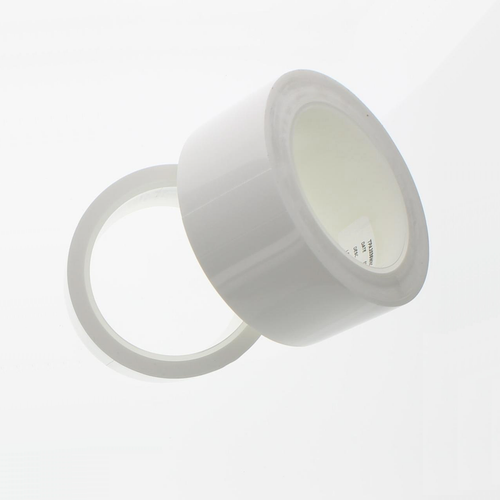
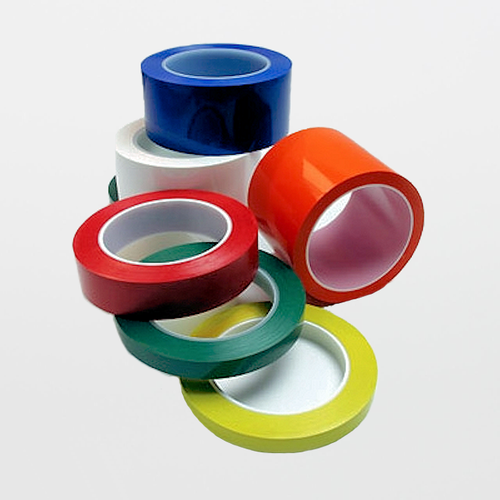
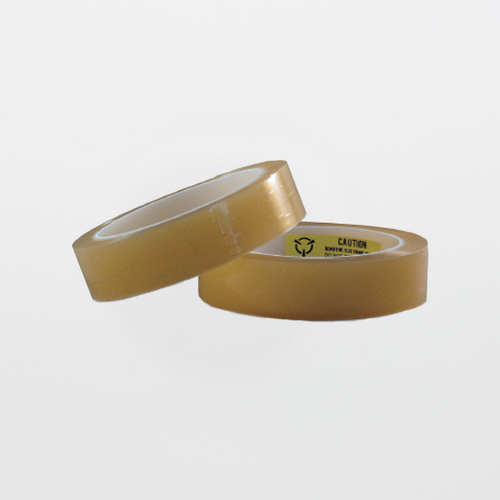
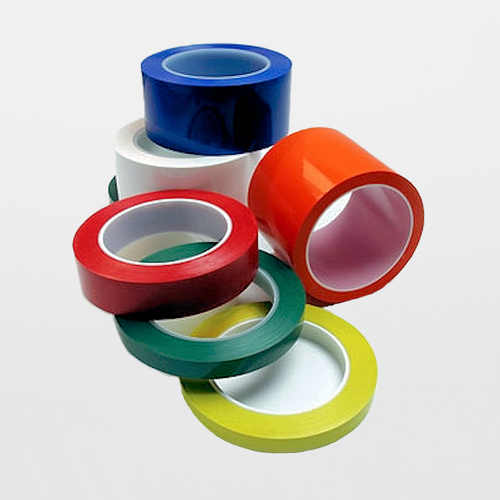
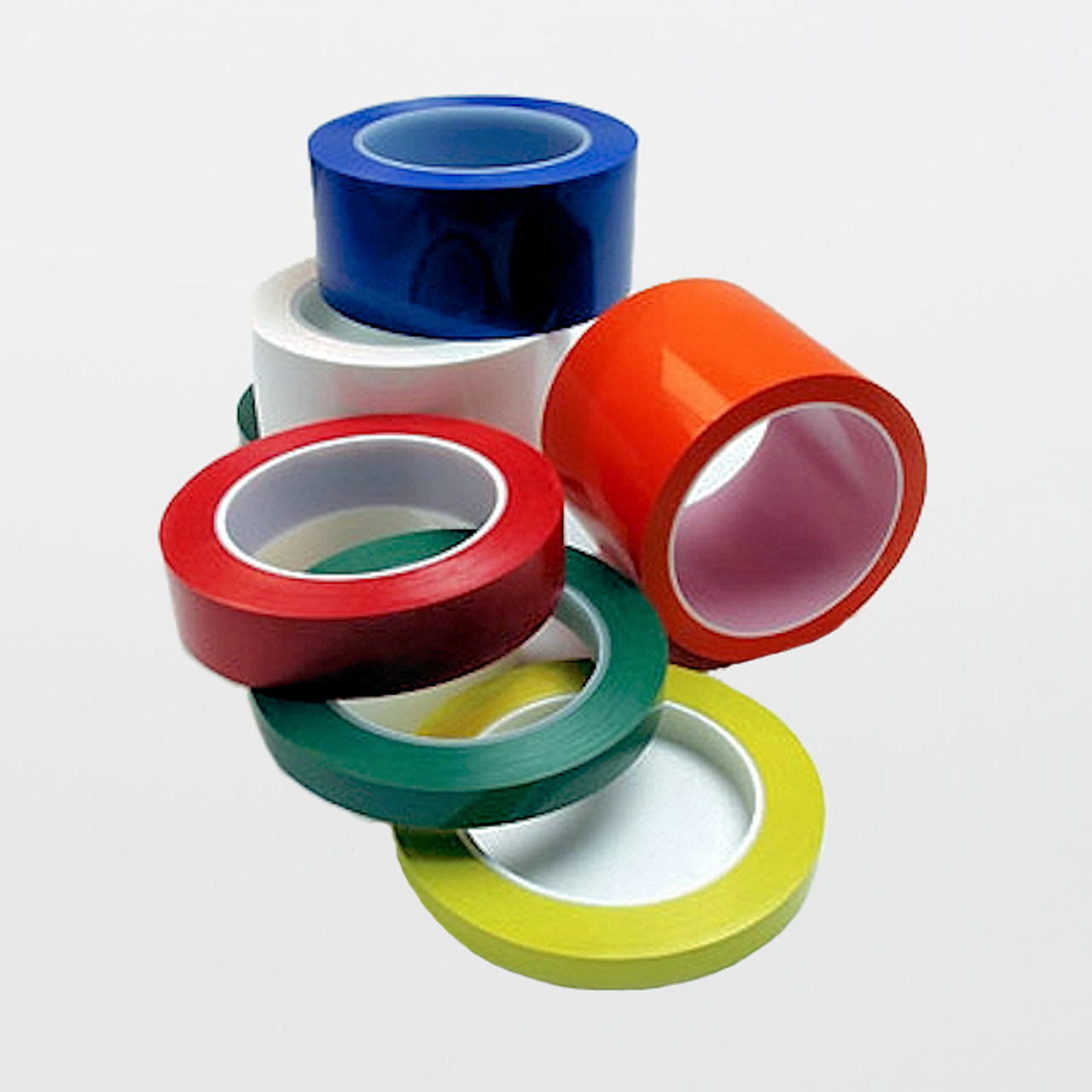
Representative image shown. Select tape width and color on this product page.
1) Practical solutions in a critical environment
Cleanroom tape is a deceptively high-impact consumable. It touches outer packaging, inner packaging, carts, totes, labels, bin liners, and sometimes the last “closure step” before materials enter an ISO-class space.
When tape varies in tack, tears ragged, sheds edge debris, or leaves adhesive transfer, it becomes a repeatable contamination and rework problem. The Texwipe TPA Series (LDPE backing with acrylic adhesive) is designed to keep tape behavior consistent while supporting controlled introduction, traceability, and disciplined handling.
For over 35 years, SOS and Texwipe have been close partners, and SOSCleanroom is the authorized Master Distributor of ITW Texwipe for the United States market. That relationship matters for tape programs because customers often need continuity of supply, stable documentation, and lot-to-lot traceability when tape becomes part of a validated or audited process.
2) What this tape is for
- Sealing and closing cleanroom packaging (outer-to-inner transfer steps).
- Color coding and product identification (bins, totes, staging areas, status labels).
- Label edge protection and “lift prevention” on curved or irregular surfaces.
- Wafer box / container sealing where consistent adhesion and conformability are required.
- General controlled-environment tape needs where low static generation and cleaner packaging/traceability are part of the program.
3) Why should customers consider this tape
- Cleaner handling model: packaged in reusable press-and-seal cleanroom bags to protect the roll between uses and support controlled introduction.
- Conformability + cohesive bond: LDPE film backing helps the tape wrap and seal on compound surfaces without the “spring-back” behavior seen with stiffer films.
- Acrylic adhesive control: strong adhesion profile for many cleanroom packaging and labeling surfaces, with predictable peel when applied correctly (verify against your surfaces and disinfectant exposure window).
- Low in screened contaminants: manufacturer literature describes the construction as low in halogens, leachable chlorides, and heavy metals (important for programs that screen consumables).
- Audit-friendly basics: Texwipe cleanroom tapes are commonly positioned with lot traceability and double-bagging to support cleanroom entry discipline.
4) Materials and construction
- Backing: Low-density polyethylene (LDPE) film for flexibility and surface conformability.
- Adhesive: Acrylic adhesive.
- Core: 3" HDPE core (per manufacturer technical data sheet).
- Latex status: listed as latex-free in manufacturer literature.
Contamination-control note: The cleanest tape is the one applied consistently. Even high-quality cleanroom tape can become a contamination source if the roll is handled with bare hands, placed on uncontrolled surfaces, or torn in a way that creates edge debris.
Treat tape as a controlled consumable: protect the roll, control the dispensing point, and train the tear-and-apply technique.
5) Specifications (published)
| Attribute |
Published information for this product listing |
| Product name |
LDPE Tape With Acrylic Adhesive For Cleanrooms (Texwipe TPA Series) |
| SKU shown on listing |
TPA (series / family identifier) |
| Tape widths (order options on this page) |
1 inch; 2 inch |
| Tape colors (order options on this page) |
Blue; White; Clear |
| Roll length (manufacturer TDS) |
36 yards (TPA family) |
| Total thickness (manufacturer TDS) |
5.5 mil (0.14 mm) |
| Adhesion to steel (manufacturer TDS) |
56 oz/in average (ASTM D-3330) |
| Tensile strength at break (manufacturer TDS) |
11 lb/in average (ASTM D-3759) |
| Elongation at break (manufacturer TDS) |
430% average (ASTM D-3759) |
| Temperature resistance (manufacturer TDS) |
-40°F to +190°F |
| Case packaging (manufacturer TDS) |
Varies by width: 1" = 24 bags / 2 rolls each (48 rolls total); 2" = 24 individually bagged rolls.
|
6) Specifications in context
The practical value of LDPE + acrylic is repeatability. LDPE conformability helps the tape “lay down” on curved or irregular packaging, while an acrylic adhesive profile supports strong, stable bonding on many common cleanroom packaging films and plastics.
In real operations, the most common performance complaints (edge lift, adhesive transfer, ragged tears, and inconsistent seals) trace back to technique, surface condition, and exposure window (pressure, dwell time, and disinfectant contact), not just the tape construction.
A tape that tears cleanly by hand and is protected in cleanroom-oriented packaging helps reduce the “uncontrolled variables” that show up as rework or contamination events.
7) Cleanliness metrics (what’s published vs. what teams verify)
Tape programs often fail on handling discipline long before they fail on a datasheet. Where numeric cleanliness values are not published for your exact configuration, many quality teams treat tape like any other consumable: define risk, then verify by incoming inspection, residue checks, and process monitoring aligned to internal acceptance criteria.
| Control attribute |
What is published |
What many cleanrooms verify internally |
| Halogens / leachable chlorides / heavy metals |
Described as “low” in manufacturer literature (no numeric values stated on the referenced TDS). |
Consumable screening aligned to facility risk (supplier documentation review, change control triggers, and targeted testing where required). |
| Packaging / introduction control |
Press-and-seal cleanroom bags; Texwipe cleanroom tapes are commonly positioned as lot coded and double bagged for cleanroom introduction. |
Bag wipe-down / transfer procedure; roll handling rules; designated dispenser point; audit trail for lot usage in critical areas. |
8) Packaging, sterility, and traceability
- Packaged for controlled environments: manufacturer literature highlights reusable press-and-seal cleanroom bags intended to protect rolls between uses.
- Traceability expectations: Texwipe positions cleanroom tapes as lot coded and double bagged to support cleanroom introduction discipline.
- Sterility: This listing is not presented as sterile. Manufacturer literature references gamma-irradiated availability for certain tape part numbers when ordered in case quantities (confirm if sterility is required for your application).
9) Best-practice use (operator-focused)
- Stage the roll like a controlled consumable: keep it bagged until use; do not set it directly on benches used for unpacking, wipe staging, or component laydown.
- Control the dispensing point: use a designated cleanable dispenser or a defined “tape station” in the gowning/transfer area. Treat the tape station as a shared touchpoint that must stay clean.
- Hand-tear with a straight pull: avoid stretch-rip tearing that whitens the LDPE film, creates ragged edges, and increases the chance of edge debris.
- Apply to a clean, dry surface: wipe down the substrate (as allowed by your process) and allow solvent flash-off before taping. Residual moisture drives edge lift.
- Use consistent pressure + dwell: many packaging failures come from “light touch” application. Apply uniform pressure along the bond line.
- Define a disinfectant exposure window: if taped items are routinely exposed to alcohols, peroxides, or sporicidals, qualify the tape behavior (peel, residue, edge lift) in that environment.
- Removal discipline: peel slowly at a low angle to reduce snapping and minimize the chance of aerosolizing particles from the edge.
Compatibility reminder: Acrylic adhesives can behave differently depending on substrate and exposure (cleanroom packaging films, stainless, plastics, coatings) and cleaning chemistry.
Confirm compatibility in your exact process window before standardizing.
10) Common failure modes
- Edge lift: typically surface contamination, insufficient pressure, or taping before solvent flash-off; tighten surface prep and application pressure.
- Ragged tear edges / film whitening: stretch-rip technique; retrain to a straight pull hand-tear.
- Adhesive transfer: excessive pressure, long dwell, or incompatibility with substrate/chemistry; qualify your exposure window and define change-out triggers.
- Residue flagged during inspection: often removal angle/speed; train peel technique and evaluate dwell time limits for critical uses.
- Cross-contamination from the roll: uncontrolled handling or poor tape-station discipline; keep the roll protected and control who touches it and where it is set down.
11) Closest competitors
Keep comparisons mechanism-based: backing film (polyethylene vs. vinyl), adhesive chemistry (acrylic vs. rubber), packaging/traceability model, and how the tape behaves in your disinfectant exposure window.
- Micronova cleanroom polyethylene tapes: commonly evaluated as alternatives for controlled-environment packaging and labeling (verify packaging and documentation expectations).
- UltraTape cleanroom polyethylene tapes (acrylic variants): often evaluated where teams want similar film/adhesive behavior with cleanroom-oriented presentation (confirm lot traceability and bagging model).
- STERIS Life Sciences tape options: frequently evaluated in regulated gowning and packaging workflows where documentation discipline is part of the selection logic (confirm construction and presentation for your use case).
12) Program fit
- ISO-class controlled environments: supports disciplined material transfer, staging, and packaging closure workflows aligned with ISO 14644 concepts of contamination control.
- Pharma / biotech / regulated manufacturing: fits programs that emphasize documented consumable control, traceability, and repeatable handling technique; in U.S. programs, teams typically anchor rationale in FDA expectations and internal quality systems while using EU GMP Annex 1 as a secondary benchmark for continuous improvement (not as a U.S. legal requirement).
- Microelectronics and precision manufacturing: supports color coding, labeling control, and packaging sealing where inconsistent tape behavior creates yield and inspection risk.
- Multi-site standardization: useful when multiple facilities need consistent tape behavior and stable documentation references for change control.
SOSCleanroom note about SOP's
The Technical Vault is written to help customers make informed contamination-control decisions and improve day-to-day handling technique. It is not your facility’s Standard Operating Procedure (SOP), batch record, or validation protocol.
Customers are responsible for establishing, training, and enforcing SOPs that fit their specific risks, products, equipment, cleanroom classification, and regulatory obligations. Always confirm material compatibility, cleanliness suitability, sterility requirements, and acceptance criteria using your internal quality system and documented methods.
If you adapt any technique guidance from this entry, treat it as a starting template. Your team should review and approve the final method, then qualify it for your specific surfaces, solvents, cleanliness limits, inspection methods, and risk profile. In short: use these best-practice suggestions to strengthen your SOPs—not to replace them.
SOSCleanroom is the source for this Technical Vault entry.
Briefed and approved by the SOSCleanroom (SOS) staff.
If you have any questions please email us at Sales@SOSsupply.com or give us a call at (214)340-8574.
If you need additional information please try our SOSCleanroom specific AI ChatBot which draws from our extensive cleanroom specific libraries.
Last reviewed: January 12, 2026
© 2026 SOSCleanroom