The Technical Vault
By SOSCleanroom
PVC backing + rubber adhesive
Quick tack + abrasion resistance
Matte write-on finish
Individually bagged rolls
ITW Texwipe TVR Series PVC Cleanroom Tape with Rubber Adhesive: Fast Bonding, Write-On Control for Build-Outs, Marking, and Sealing
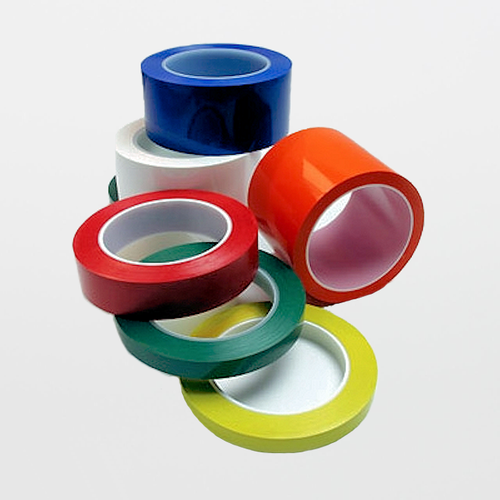
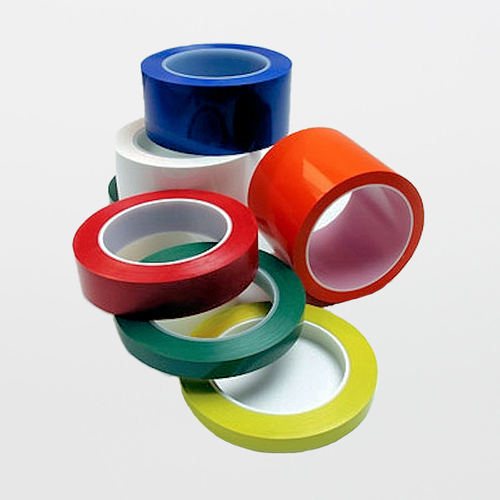
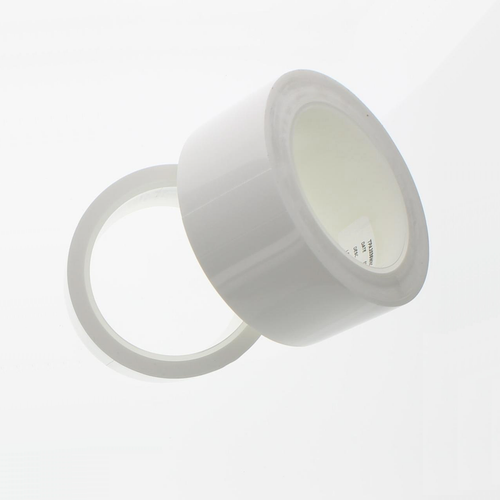
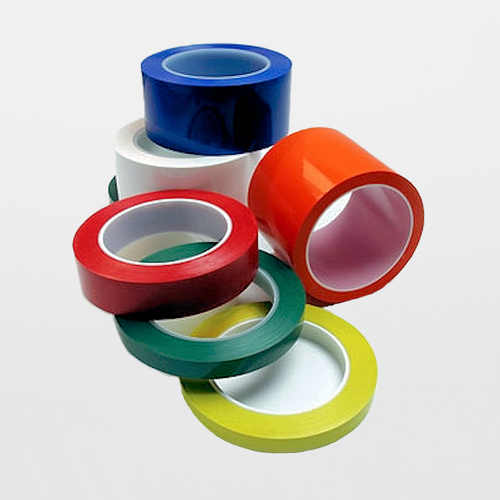
Representative image shown. Select the correct width and color for your marking/sealing program.
1) Practical solutions in a critical environment
Tape can be an unglamorous, high-consequence consumable. It touches cleanroom walls, temporary barriers, ductwork, HEPA filter protection covers, floor/aisle marking, staging labels, and the “last inch” of packaging control during build-outs or maintenance work.
When tape fails (edge lift, adhesive transfer, ragged tears, unpredictable tack), it drives rework and creates repeatable contamination-control gaps.
The ITW Texwipe TVR Series is designed for fast bonding (“quick tack”), abrasion resistance, and easy marking with a matte finish—features that matter when teams need tape to behave consistently on irregular surfaces during cleanroom construction and controlled-environment operations.
For over 35 years, SOS and Texwipe have been close partners, and SOSCleanroom is the authorized Master Distributor of ITW Texwipe for the United States market.
That relationship matters when tape becomes part of an audited or standardized program: customers often need continuity of supply, stable technical documentation, and predictable product presentation (packaging and labeling) to reduce process variation.
2) What this tape is for
- Aisle marking and visual management in controlled environments (lines, zones, status cues).
- Color coding and product/tool identification (when the broader TVR series is used).
- Ductwork sealing and surface protection where quick tack and abrasion resistance are valued.
- Hanging and securing visqueen/temporary walling during cleanroom build-out and maintenance.
- Labeling and write-on marking on tape (matte finish supports pen marking).
3) Why should customers consider this tape
- Fast bonding behavior: rubber adhesive construction is selected for aggressive tack and quick bond, which is useful in build-out and temporary barrier work.
- Matte write-on surface: supports hand labeling and quick, visual identification without relying solely on separate labels.
- Conformable PVC backing: helps the tape lay down on irregular surfaces such as ductwork and plastic sheeting used for temporary walls.
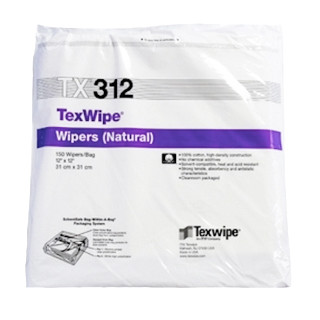
- Packaging discipline: TVR series is presented in cleanroom-oriented bags; the 2-inch configuration is typically individually bagged for roll protection and controlled issue.
- Program stability: ideal when you want a tape option that can be tied to consistent documentation and repeatable handling for multi-site or regulated operations.
Selection reality check: The “best” tape is the one that is qualified for your substrates and your cleaning chemistry. Rubber adhesives can vary in peel, residue, and dwell-time behavior across plastics, coatings, and painted surfaces. If tape is used inside a controlled area, treat it like a qualified consumable—not a generic maintenance item.
4) Materials and construction
- Backing: Polyvinyl chloride (PVC) (often referred to as “vinyl” in tape programs).
- Adhesive: Rubber / synthetic rubber adhesive (aggressive tack).
- Core: 3" HDPE core.
- Finish: Matte finish intended to be easy to write on with a pen.
Contamination-control note: Tape can become a “shared touchpoint” contamination source (multiple users, multiple shifts). Keep rolls protected when not in use, control where the roll is staged, and train tear-and-apply technique to avoid ragged edges and unnecessary handling.
5) Specifications (published)
| Attribute |
Published information |
| Product page configuration |
Texwipe PVC with Rubber Adhesive Cleanroom Tape (TVR Series) |
| SKU shown on this listing |
TVR2024WH |
| Tape width (this listing selection) |
2 inch |
| Tape color (this listing selection) |
White |
| Roll length |
36 yards |
| Total thickness |
6 mil (0.15 mm) |
| Adhesion to steel |
22 oz/in average (ASTM D-3330) |
| Tensile strength at break |
16 lb/in average (ASTM D-3759) |
| Elongation at break |
150% average (ASTM D-3759) |
| Temperature resistance |
-20°F to +176°F |
| Case packaging (2" configuration) |
24 individually bagged rolls |
| Availability (SOS listing) |
Made to order, 4–6 weeks |
| Shipping weight (SOS listing) |
15.00 lbs |
Series note (TVR family options): Manufacturer technical documentation also describes TVR series availability across multiple widths (1/2", 1", 2", 3") and multiple colors (blue, green, red, white, yellow). The SOS product page shown here is configured and priced for the 2-inch, white configuration (TVR2024WH).
6) Specifications in context
TVR is selected when “fast bond + durability” matters more than ultra-clean removability. The PVC backing provides conformability and abrasion resistance for build-out tasks, while rubber adhesive provides aggressive tack for quick bonding on irregular surfaces.
The trade space is predictable: rubber adhesive systems can be more sensitive to dwell time, pressure, and cleaning chemistry than some acrylic systems. If the tape will be used in areas subject to frequent wipe-downs (alcohols, peroxides, sporicidals), qualify peel behavior and residue risk in your real exposure window.
7) Cleanliness metrics (what’s published vs. what teams verify)
Cleanroom tape selection is usually driven by functional performance (tack, durability, write-on, conformability) plus packaging/traceability and disciplined handling—more than by a single “cleanliness number.”
Where numeric cleanliness values are not published for the tape, many quality groups control risk by qualifying tape behavior on surfaces, setting acceptance criteria for residue/transfer, and controlling roll handling and storage.
| Control attribute |
What is published for TVR |
What many cleanrooms verify internally |
| Packaging model |
Presented in press-and-seal cleanroom bags; 2" configuration is typically individually bagged rolls. |
Transfer wipe-down steps (as allowed), bag-in/bag-out rules, controlled tape station, and roll protection between uses. |
| Residue / adhesive transfer risk |
Not stated as a numeric metric; rubber adhesive is described as aggressive tack with quick bond. |
Peel testing on representative surfaces, dwell-time limits, and cleaning-chemistry compatibility checks aligned to internal quality requirements. |
8) Packaging, sterility, and traceability
- Packaged for convenience and protection: TVR series is described as being packaged in reusable press-and-seal cleanroom bags; the 2-inch configuration is typically 24 individually bagged rolls per case.
- Traceability: Texwipe cleanroom tape programs commonly emphasize lot control and consistent packaging presentation (confirm your specific receiving/label requirements against the case documentation).
- Sterility: This listing is not presented as sterile. Manufacturer documentation notes gamma-irradiated availability in case quantities by appending “-G” to the part number when ordered (example format: TVRxxxxxx-G). Confirm sterility requirements and part-number format before ordering if your process requires it.
9) Best-practice use (operator-focused)
- Control the tape station: set a dedicated dispensing point (build-out cart, maintenance kit, or gowning/transfer area) so rolls are not staged on uncontrolled surfaces.
- Keep rolls protected: return the roll to its bag between tasks, especially during multi-hour build-out work where the roll will be touched repeatedly.
- Prep the substrate: apply to clean, dry surfaces. Dust, powder, and cleaning residues drive edge lift and rework.
- Use pressure and a consistent laydown: press along the bond line; on ductwork and sheeting seams, use continuous pressure and avoid “spot tacking.”
- Mark with discipline: if using the tape for labeling, define where and how the mark is made (which pen type, where on the tape, and how long before the item moves into a higher-grade area).
- Removal technique: peel slowly at a low angle to reduce snap-back and to minimize the risk of releasing debris from the edge of the tape line.
Build-out tip: When taping visqueen or temporary walling, run “support strips” first where seams carry load, then apply the final sealing strip. This reduces seam creep and helps keep tape lines straight—important for aisle marking and visual management.
10) Common failure modes
- Edge lift: usually surface contamination, moisture, or inadequate pressure; fix surface prep and application force.
- Adhesive transfer or residue: often dwell-time related (long placement before removal) or chemistry related; define time limits, validate on your substrates, and qualify exposure to disinfectants/cleaners.
- Ragged edges and debris: poor tearing technique or cutting on uncontrolled surfaces; control tear method and use a designated dispensing point.
- Marking smears or illegible labeling: incompatible pens or rushed handling; standardize pen type and allow ink dry time before transferring items.
- Cross-contamination from the roll: roll staged unbagged, shared across tasks, or handled with bare hands; treat tape like a controlled consumable.
11) Closest competitors
Compare tapes by mechanism and use-case: PVC vs. polyethylene backing, rubber vs. acrylic adhesive, write-on finish, packaging/traceability model, and how the tape behaves under your cleaning/disinfection exposure window.
- Micronova cleanroom tape options: often evaluated for cleanroom build-out and labeling workflows where packaging and documentation discipline matter.
- UltraTape cleanroom PVC/rubber tapes: frequently assessed where teams want strong tack and aisle marking performance; verify packaging and traceability expectations for your program.
- STERIS Life Sciences tape offerings: commonly reviewed in regulated facilities that want strong consumable control and consistent documentation practices.
12) Program fit
- Cleanroom design/build and maintenance: strong fit for temporary walling, ductwork sealing, and aisle marking where abrasion resistance and quick tack are operational advantages.
- Pharma/biotech/regulatory environments: useful when tape is controlled as a consumable with documented handling, traceability, and defined removal limits. U.S. programs typically anchor requirements in internal quality systems and FDA expectations, while using EU GMP Annex 1 as a secondary benchmark for contamination control system maturity and risk-based improvements (not as a U.S. legal requirement).
- Microelectronics and precision manufacturing: supports visual management and controlled marking where floor lines, zones, and “status tape” become part of day-to-day discipline.
SOSCleanroom note about SOP's
The Technical Vault is written to help customers make informed contamination-control decisions and improve day-to-day handling technique. It is not your facility’s Standard Operating Procedure (SOP), batch record, or validation protocol.
Customers are responsible for establishing, training, and enforcing SOPs that fit their specific risks, products, equipment, cleanroom classification, and regulatory obligations. Always confirm material compatibility, cleanliness suitability, sterility requirements, and acceptance criteria using your internal quality system and documented methods.
If you adapt any technique guidance from this entry, treat it as a starting template. Your team should review and approve the final method, then qualify it for your specific surfaces, solvents, cleanliness limits, inspection methods, and risk profile. In short: use these best-practice suggestions to strengthen your SOPs—not to replace them.
SOSCleanroom is the source for this Technical Vault entry.
Briefed and approved by the SOSCleanroom (SOS) staff.
If you have any questions please email us at Sales@SOSsupply.com or give us a call at (214)340-8574.
If you need additional information please try our SOSCleanroom specific AI ChatBot which draws from our extensive cleanroom specific libraries.
Last reviewed: January 12, 2026
© 2026 SOSCleanroom