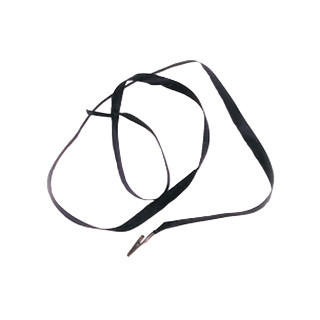
NWH Series Disposable Hood

$136.00
(No reviews yet)
SKU:
NHW1000
Availability:
7 - 10 Business Days
Shipping:
Calculated at Checkout
NWH Series Disposable Hood (CTI NWH-1000) — ISO 5 / Class 100, Low-Lint SBPP, Elastic Face Opening (1000/Case)
ISO 5 / Class 100 Spunbond Polypropylene (SBPP) Low-Lint Elastic Face Opening Universal Size Latex-Free 100/Bag 1000/Case

Overview

The NWH Series Disposable Hood (CTI NWH-1000) is designed for ISO 5 / Class 100 controlled environments where head/neck coverage helps reduce contamination risk at the operator interface. Constructed from low-lint spunbond polypropylene, the hood supports comfort and breathability while helping facilities maintain gowning discipline.

An elastic face opening is intended to improve fit and reduce gap-related contamination risk during repetitive tasks, transfers, and bench work.


Why this hood matters in critical environments
  • Head/neck particle control: Helps trap particles from hair and the nape area that can otherwise migrate into the work zone.
  • Fit at the boundary: Elastic face opening supports a snug fit, reducing exposure gaps and movement-related openings.
  • Process discipline: Lot traceability and stated inspection steps support qualification packets and controlled substitutions.
  • Comfort: Breathable SBPP construction helps reduce discomfort that can drive “adjusting behavior” (a common contamination risk).

Typical controlled-environment tasks supported
  • Material handling and staging where head/neck coverage is required by SOP
  • Component assembly and inspection in contamination-sensitive build areas
  • Cleaning support tasks where head/neck hair containment is part of the gowning plan
  • General ISO 5 / Class 100 workflows that require disposable hood coverage

Key specifications (published)
Cleanroom compatibility Class 100 / ISO 5
Material Spunbond polypropylene (SBPP); low-linting
Sizing Uni-size (universal fit)
Material weight (published) 14 gm/m²
Face opening Elastic
Latex proteins None (latex-free)
Construction / QA (published) Hand sewn; inspected for defects; lot traceability
Elongation (published) 700%
Packaging 100 hoods/bag; 10 bags/case (1000/case)

Always confirm garment selection, change rules, and staging method against your facility SOPs and (where applicable) your Annex 1 Contamination Control Strategy (CCS).


EU GMP Annex 1 alignment notes (practical)

Annex 1 programs typically treat head coverings as critical controls because hair and facial hair are high-shedding sources. Performance depends on donning technique, change frequency, and how the hood interfaces with coveralls, masks, and gloves.

  • Boundary control: Verify overlap between hood and coverall collar/zipper to prevent exposed hair/skin lines.
  • Change triggers: Define when hoods must be replaced (exit/re-entry, touches to non-controlled surfaces, damage, or tim
The Technical Vault By SOSCleanroom
Head/Neck Coverage ISO 5 / Class 100 Gowning Discipline

ISO-first: why head coverings are high-impact controls

ISO cleanroom classification is fundamentally about particle control in the air. Operators are high particle generators, and hair/facial hair can shed continuously. A disposable hood is a simple control that helps contain particles at the source and improves repeatability in gowning behavior.


Donning (best practice)
  1. Prep: Secure hair and remove items that can snag (earrings, loose badges, etc.).
  2. Open cleanly: Open the bag without shaking; avoid brushing the hood against street clothing.
  3. Fit the face opening: Place the elastic face opening so it lays flat; avoid repeated “adjusting” once donned.
  4. Interface control: Ensure the hood overlaps the coverall collar/zipper area (or vice versa, per SOP) so there is no exposed hair line.
  5. Mask compatibility: If masking is required, confirm the hood does not break the mask seal or pull straps out of position.

Change-out rules (typical CCS/SOP controls)
  • Replace after exiting and re-entering controlled zones, unless your SOP permits staged reuse.
  • Replace immediately if torn, heavily wet, or if the hood contacts non-controlled surfaces.
  • Use time/task-based changes when required by risk assessment (common in Annex 1 CCS programs).

Common pairings (complete the boundary)

Documentation (for audits and controlled substitutions)

If you have any questions please email us at Sales@SOSsupply.com or give us a call at (214)340-8574. OR check out the AI ChatBot powered by SOSCleanroom data libraries - give it a try! THIS IS NEW FOR 2026! © 2026 SOSCleanroom. All rights reserved.