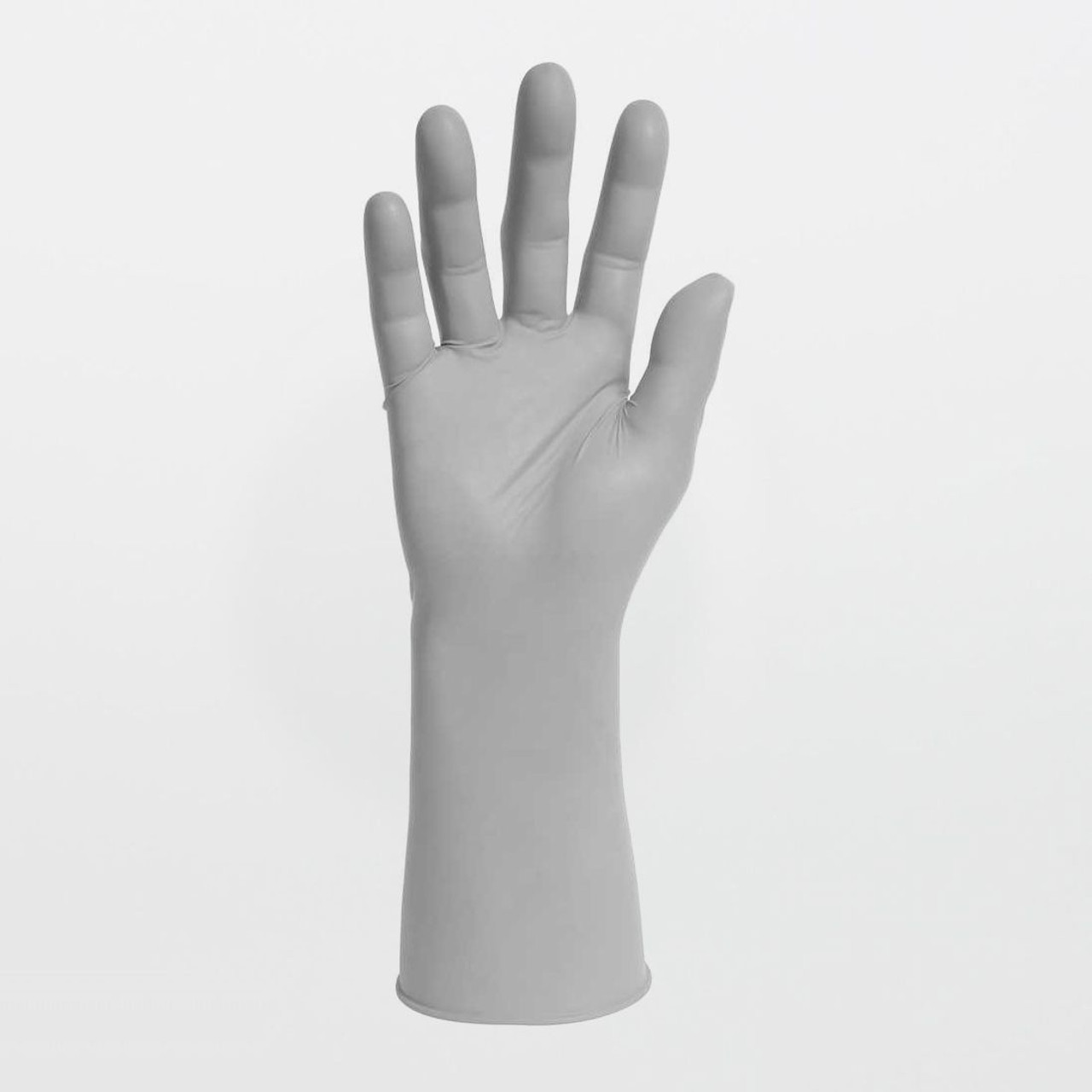
When “sterile” isn’t enough: controlling residues, endotoxin, and donning discipline with Kimtech Pure G3 Sterile STERLING nitrile gloves (11821, size 6)
The Technical Vault | By SOSCleanroom
In ISO-classified work, “sterile gloves” can still become the uncontrolled variable: inconsistent donning, torn cuffs, residue from silicone or additives, or a packaging-transfer shortcut that defeats the barrier. The Kimtech Pure G3 Sterile STERLING nitrile cleanroom gloves (SKU 11821, size 6) are built for residue-sensitive, aseptic-adjacent workflows where you need sterile presentation plus documented cleanliness limits (particles and endotoxin) and packaging that supports controlled transfer into critical zones.
Reliability is part of the control plan. SOSCleanroom supports programs that depend on continuity of supply, documentation discipline, and lot-level traceability—so validated gowning and glove-change practices do not drift into “whatever was available” when pressure hits.
The Operational Problem It Solves
Glove-related excursions rarely present as a single obvious failure. They show up as trending contamination signals, sporadic aseptic deviations, or “unexplained” residue that only appears after handling. In practice, most glove-driven issues fall into four mechanisms:
- Barrier compromise: micro-tears, pinholes, or cuff roll-down during donning or long tasks.
- Residue contribution: silicone transfer, additive films, or uncontrolled glove powder (this glove is positioned as silicone-free and powder-free).
- Bioburden/endotoxin risk: especially where surfaces or assemblies are sensitive to pyrogenic contamination.
- Transfer discipline failures: packaging handling and staging errors that introduce non-sterile contact into the sterile presentation path.
SKU 11821 is designed to reduce avoidable variability through sterile gamma irradiation (SAL 10−6), hand-specific fit, controlled grip features, and published limits intended for contamination-control strategy planning.
What It’s For
Kimtech Pure G3 Sterile STERLING nitrile gloves (size 6) are positioned for ISO Class 3 and higher cleanroom environments where sterile PPE transfer, packaging integrity, and lot traceability are part of the contamination control strategy (CCS).
Typical fit-for-purpose environments include aseptic processing and sterile handling, sterile compounding and controlled cleanroom pharmacy workflows, medical device and life science assembly, and other residue-sensitive operations where “latex-like” tactile feedback is desired without natural rubber latex.
Decision Drivers (What Buyers Should Care About First)
- Sterile control state: gamma irradiated and positioned to a Sterility Assurance Level (SAL) of 10−6, supporting aseptic-facing workflows that require sterile presentation discipline.
- Residue discipline: positioned as silicone-free, powder-free, and latex-free nitrile to reduce hidden residue variables in sensitive processes.
- Published contamination limits: stated limits for particles and endotoxin help teams set CCS expectations and build incoming verification logic.
- Operator control features: hand-specific design, beaded cuff, and textured palm/palm-side fingertips support donning control and reduce slip events.
- Packaging built for transfer: pair pouch (“walleted/pouched”) and double-bag configuration support controlled staging and introduction into critical zones.
- Traceability: lot documentation (COA/COI, irradiation documentation examples, labeling) supports investigations and audit readiness when trends shift.
Materials and Construction: Practical Implications
Material: synthetic nitrile polymer (acrylonitrile butadiene), positioned as latex-free and silicone-free. The operational goal is to maintain tactile control while minimizing residue variables that can disrupt sensitive processes.
Hand-specific geometry: hand-specific gloves reduce bunching and fingertip “float,” which can reduce handling errors in fine work. A beaded cuff helps resist roll-down and provides a predictable grasp point during donning and glove changes.
Thin-gauge balance: the platform is positioned as thin-gauge for dexterity while maintaining tear resistance. In real workflows, the guardrails are task duration, edge contact, and change frequency—thin gloves demand disciplined change-out triggers when hard edges, repetitive motion, or frequent disinfection increases stress.
Reality check: sterility does not prevent technique failures. The glove can be perfect out of the bag and still fail the process if packaging transfer, donning technique, or glove-change timing is inconsistent. Treat the glove as one element of a CCS, not a standalone solution.
Specifications in Context
SKU 11821 is size 6, color Sterling (gray), with a nominal 12-inch (305 mm) length. Nominal thickness is listed as: finger 0.10 mm (3.90 mil), palm 0.08 mm (3.10 mil), cuff 0.07 mm (2.80 mil).
Quality and barrier framing:
- AQL (freedom from holes): 1.5, with method references listed in the manufacturer’s presentation (ASTM D5151; sampling by attributes per ISO 2859-1).
- Sterilization: gamma irradiation; positioned as validated SAL 10−6 per ANSI/AAMI/ISO 11137.
Interpretation rule that protects programs: published tables and limits are used as qualification and CCS planning inputs. Your facility still needs incoming checks (label verification, packaging integrity, lot capture) and a glove-use SOP that defines donning, disinfection compatibility, and glove-change triggers.
Cleanliness and Performance Metrics: What the Numbers Mean Operationally
In residue-sensitive environments, the glove is both a barrier and a contamination source risk. This product is positioned with published limits that are useful for contamination control strategy design and incoming qualification planning:
-
Particles (maximum): 1200 particles/cm2 ≥ 0.5 µm (method reference listed as IEST-RP-CC005).
-
Endotoxin (maximum): 20 EU/pair (listed as LAL kinetic turbidimetric method).
Operationally, these limits help teams set a residue budget and determine whether glove background could dominate a sensitive signal. Programs typically pair this with lot documentation (COA/COI) and packaging integrity checks as part of ongoing control.
Why Packaging, Sterility Options, and Traceability Matter
Packaging is part of sterile performance. This SKU is configured as 1 pair per poly pouch, 30 pairs per double bag, and 10 double bags per case (300 pairs per case). The operational intent is controlled transfer: stage outer packaging in the less-critical area and introduce only the intended sterile presentation into the critical zone per your gowning flow.
In audit-facing programs, packaging integrity checks are not optional. Train technicians to verify seal integrity and required labeling before opening. Treat damaged packaging as nonconforming material and contain it out of the CCS.
Traceability closes the loop. Lot coding and supporting documents (for example, sample certificates of analysis and irradiation) reduce investigation time when excursions occur and help teams correlate trends to lots, shifts, and workflow changes.
Best-Practice Use: Operator-Level Discipline That Protects Sterile Work
- Control the transfer path: keep outer packaging in the less-critical area and open bags in the correct order per your gowning-room flow.
- Use the pouch design as intended: avoid touching glove contact surfaces; handle only at controlled grasp points during donning.
- Define glove-change triggers: after non-sterile contact, after repeated disinfection cycles, after high-edge-contact tasks, or on a timed cadence appropriate to your CCS.
- Double-don where justified: for aseptic manipulations, frequent contact with hard edges, or higher tear probability tasks, double-don reduces risk and shortens response time (replace outer glove immediately after suspect contact).
- Document lot usage: record glove lots for critical operations so investigations start with facts, not guesses.
Note: your facility is responsible for validating gowning, disinfection compatibility, and glove-change frequency based on process, cleanroom classification, and quality system expectations.
Common Failure Modes—and How to Prevent Them
- “Sterile glove, non-sterile transfer”: packaging handling shortcuts defeat the barrier. Prevent with staged transfer and correct bag-opening order.
- Pinholes/tears from task stress: thin-gauge gloves require disciplined change triggers. Prevent with double-don where appropriate and immediate replacement after edge contact or suspected damage.
- Residue drift from substitutions: switching “similar” sterile gloves can change background. Prevent with approved sourcing and documented equivalency review before changes.
- Uncontrolled labeling/lot capture: slows investigations and widens containment scope. Prevent with lot capture and storage discipline.
- Assuming published limits replace qualification: limits support planning, not proof in your exact workflow. Prevent with incoming verification and CCS-aligned SOPs.
Closest Competitors (Limited and Relevant)
Ansell/other sterile nitrile cleanroom glove families: category peers where selection typically hinges on sterile packaging presentation, documented endotoxin/particle posture, thickness/dexterity balance, and availability by size.
Other ISO-classified sterile cleanroom gloves (nitrile/latex alternatives): compare on your actual risk gates: CCS alignment, lot documentation, disinfection compatibility, and operator donning discipline—not just “sterile” on the label.
Where This Glove Fits in a Controlled Program
SKU 11821 (size 6) is best deployed where sterile presentation plus contamination-control planning data matter: ISO Class 3+ environments, aseptic-adjacent operations, and residue-sensitive handling steps where endotoxin and particles are part of the risk model. Pair it with a documented donning and transfer SOP, defined glove-change frequency, and lot-level traceability so the glove supports your CCS instead of becoming the recurring deviation mechanism.
Source basis
-
SOSCleanroom product page: “Kimberly-Clark Kimtech (11821) Pure G3 Sterile STERLING Nitrile Gloves (Size 6)”
(link)
(use environment, thickness, AQL, packaging configuration, published particle/endotoxin limits, and document list).
- Manufacturer documentation list as provided on the product page (technical data pack, product catalog, sterile glove donning poster, sterile glove procedure, glove SOP, sample certificates, BSE/TSE letter, and sales flyer).
- ANSI/AAMI/ISO 11137 referenced in the product’s sterilization framing (gamma irradiation control framework).
- Operational CCS guidance concepts applied: controlled transfer/staging, packaging integrity checks, lot traceability, and defined glove-change triggers.
Last reviewed: May 26, 2026