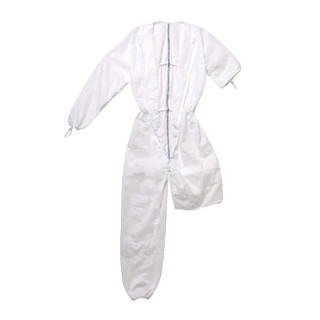
SKU shown: 88807 (sterile hood; mask not included).
Why hoods matter more than most teams realize
In controlled environments, people are a primary contamination source. Hair, skin flakes, and garment movement can generate particles that migrate to product-contact surfaces and critical work zones.
A hood is not “just apparel” — it is a control at the head/neck interface where shedding risk is high and where gaps commonly occur around masks, goggles, and coverall collars.
Kimtech PURE A5 sterile hoods (88807) are designed to reduce variability through standardized sterile packaging and a donning presentation intended to limit outside-surface handling.
What this hood is used for
- Head and neck coverage in ISO Class 5 (and cleaner) cleanrooms where sterile garment components are specified.
- Reducing hair/skin particle release at the face/neck interface where masks and eye protection can create gaps.
- Supporting gowning programs that rely on single-use sterile apparel to reduce reprocessing/laundering variability.
- Use with a separate cleanroom mask/respirator per your SOP (this SKU does not include a mask).
Why customers select 88807 (manufacturer-based)
- Sterile and documented: gamma irradiated to SAL 10-6, packaged with sterility indicator and supported by certificate availability (CoC / irradiation).
- Cleanroom-suitable material: breathable 100% polypropylene SMS for comfort and controlled performance.
- Low shedding positioning: manufacturer data references Helmke Drum Category 1 performance.
- Donning presentation cues: folded inside-out with an interior indicator line to support aseptic donning technique.
- Compatibility with masks/respirators: intended to integrate with separate mask/respirator choices (site-specific fit and risk assessment apply).
Materials and construction (manufacturer basis)
The hood is made from 100% polypropylene breathable SMS nonwoven material and provided in a triple-bagged, vacuum packaged sterile format with sterility indicator.
The manufacturer describes the hood as folded inside-out for aseptic donning with an interior indicator line to reduce outside-surface contact errors during gowning.
Specifications in context (what QA and gowning programs care about)
The table below consolidates key attributes drawn from manufacturer technical data for hood performance and sterile packaging.
Where programs require additional details (e.g., COO, site-specific acceptance limits), treat those as receiving qualification requirements and verify via your supplier documentation set.
| Attribute |
Kimtech PURE A5 Hood (88807) |
| SKU / part number |
88807 |
| Configuration |
Sterile hood (mask not included) |
| Material |
100% polypropylene breathable SMS |
| Cleanroom suitability |
Suitable for ISO Class 5 or higher cleanrooms |
| Sterility method / SAL |
Gamma irradiated; SAL 10-6 (ANSI/AAMI/ISO 11137 referenced) |
| Packaging |
Triple-bagged; vacuum packaged; sterility indicator |
| Donning presentation (aseptic handling cue) |
Folded inside-out for aseptic donning; interior indicator line |
| BFE (3.0 µm), prior to sterilization |
98% (ASTM F2100) |
| PFE (0.5 µm), prior to sterilization |
93% (ASTM F2299) |
| Particle shedding (Helmke Drum) |
Category 1 (IEST-RP-CC003.3) |
| Hydrostatic head |
118 cm H2O (AATCC-127) |
| Air permeability |
425 cfm (ASTM D737 / IST 70.1) |
| Expiration dating |
5 years |
| Case pack |
100 hoods per case |
Performance and cleanliness considerations (how to use the data correctly)
Manufacturer performance data (e.g., BFE/PFE and Helmke category) is most useful when tied to a defined gowning method.
Even high-performing materials can fail operationally if donning technique introduces exterior contact or if garment interfaces (hood-to-mask, hood-to-coverall collar, hood-to-goggle seal) are allowed to gap during movement.
Treat the hood as an interface component: the “best hood” is the one that remains continuously overlapped with adjacent PPE.
Packaging, sterility, and traceability
The manufacturer specifies triple-bagged, vacuum packaging with a sterility indicator, and gamma irradiation to SAL 10-6.
For controlled entry, this packaging structure is intended to support staged opening (outer bag outside the higher-grade area, inner bag at the boundary) in accordance with your gowning-room SOP.
Documentation expectations typically include certificates (e.g., CoC and irradiation certificate) referenced by the manufacturer. Receiving teams should define required documents in the approved supplier/qualification package and enforce them consistently.
Best-practice gowning (donning) to minimize contamination
ISO-first approach: make gowning part of your Operations Control Programme
ISO cleanroom operations standards emphasize structured control of personnel entry/exit and behavior as part of an operations control programme.
Practically: the cleanroom classification is protected by what people do, not just by what they wear.
Aseptic donning technique for a hood (88807) — field-proven steps
- Pre-gowning readiness: remove jewelry; secure personal items; ensure hair is contained; perform required hand hygiene per SOP.
- Open packaging in stages: open the outer bag in the lower-grade area; present the next bag at the boundary; open the innermost bag only where your SOP permits.
- Handle from the inside: treat the hood exterior as a “clean side.” Use the inside surfaces and the manufacturer’s donning cues to avoid touching the outer surface.
- Cover hairline, ears, and nape: pull the hood fully into position so there is no exposed hair at the temples/ears (a common failure mode).
- Lock the interfaces: don mask/respirator (separate item) and eye protection so overlap is continuous. Then tuck the hood drape into the coverall collar so neck skin is not exposed during head turns.
- Final verification: mirror-check (or buddy-check) for gaps at neckline and around goggles/mask edges before entering higher-grade zones.
EU GMP Annex 1 overlay (sterile manufacture): what becomes stricter
- Higher consequence of gaps: in Grade A/B contexts, gowning systems and technique are expected to be robust, repeatable, and aligned to contamination control strategy.
- Qualification and ongoing assessment: personnel gowning practices are typically trained, qualified, and periodically reassessed.
- Continuous coverage expectation: the hood/mask/coverall interfaces should remain overlapped during all typical motions; “it looked fine standing still” is not sufficient.
- Behavior control matters: slow movement, reduced talking, and minimized contact with non-clean surfaces are part of the control set, not optional preferences.
Common failure modes (what causes contamination despite “wearing the right hood”)
- Hairline exposure at temples/ears: hood not fully seated or shifts during respirator/goggle adjustment.
- Neck gaps: hood drape not tucked into coverall collar; skin exposed during head turns.
- Outside-surface contact: touching the hood exterior during donning or after contacting non-controlled surfaces.
- Interface rework in higher-grade zones: repeatedly adjusting goggles/mask after entry increases contamination risk.
- Re-use behavior: attempting to re-don disposable sterile components outside SOP control.
Selection notes (hood only vs. integrated hood/mask)
- Hood only (this item): best when your SOP specifies a particular mask/respirator type and you want to qualify hood and mask independently.
- Integrated hood & mask sets: can reduce donning steps and can help reduce interface gaps (site qualification still required).
- Sterile vs. non-sterile: select sterile garment components when your cleanroom classification, process risk, or regulatory framework requires it.
Critical environment fit for this product
Kimtech PURE A5 sterile hoods are positioned for ISO Class 5 (and cleaner) controlled environments and for programs that value sterile packaging, repeatable donning, and documentation.
If your operation works under EU GMP Annex 1 expectations (sterile medicinal manufacture), the hood should be treated as one element in a qualified gowning system with trained behaviors and verified interfaces.
SOSCleanroom note about SOPs
The Technical Vault is written to help customers make informed contamination-control decisions and improve day-to-day handling technique.
It is not your facility’s Standard Operating Procedure (SOP), batch record, or validation protocol.
Customers are responsible for establishing, training, and enforcing SOPs that fit their specific risks, products, equipment, cleanroom classification, and regulatory obligations.
Always confirm suitability, sterility requirements, and acceptance criteria using your internal quality system and documented methods.
If you adopt technique guidance from this entry, treat it as a starting template: review, approve, and qualify the final method for your surfaces, garments, interfaces, and risk profile.
Source basis (manufacturer-first)
- SOSCleanroom product page (88807): https://www.soscleanroom.com/product/kimtech/kimberly-clark-kimtech-pure-a5-sterile-cleanroom-hoods/
- Manufacturer Technical Data (Kimtech PURE A5 Hood / sterile apparel TDS): https://www.soscleanroom.com/content/Kimberly_Clark_PDF/A5%20Sterile%20Apparel/Coveralls/A5%20Cleanroom%20Sterile%20Apparel%20TDS.pdf
- Manufacturer apparel sheet (Kimtech PURE A5 sterile cleanroom apparel): https://www.soscleanroom.com/content/Kimberly_Clark_PDF/88807%20hood/KIMTECH%20PURE%20A5%20Sterile%20Cleanroom%20Apparel.pdf
- ISO operations context (personnel entry/exit and operations control programme): https://www.iso.org/standard/88599.html
- EU GMP Annex 1 (sterile manufacture; personnel gowning context): https://health.ec.europa.eu/system/files/2022-08/20220825_gmp-an1_en_0.pdf
SOSCleanroom is the source for this Technical Vault entry.
Briefed and approved by the SOSCleanroom (SOS) staff.
If you have any questions please email us at Sales@SOSsupply.com
Last reviewed: Jan. 14, 2026
© 2026 SOSCleanroom