Osram / Sylvania
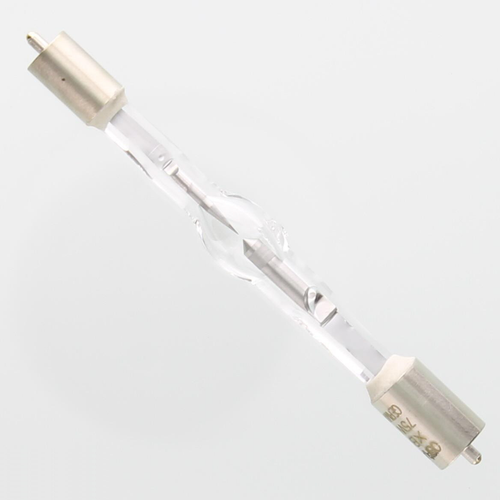
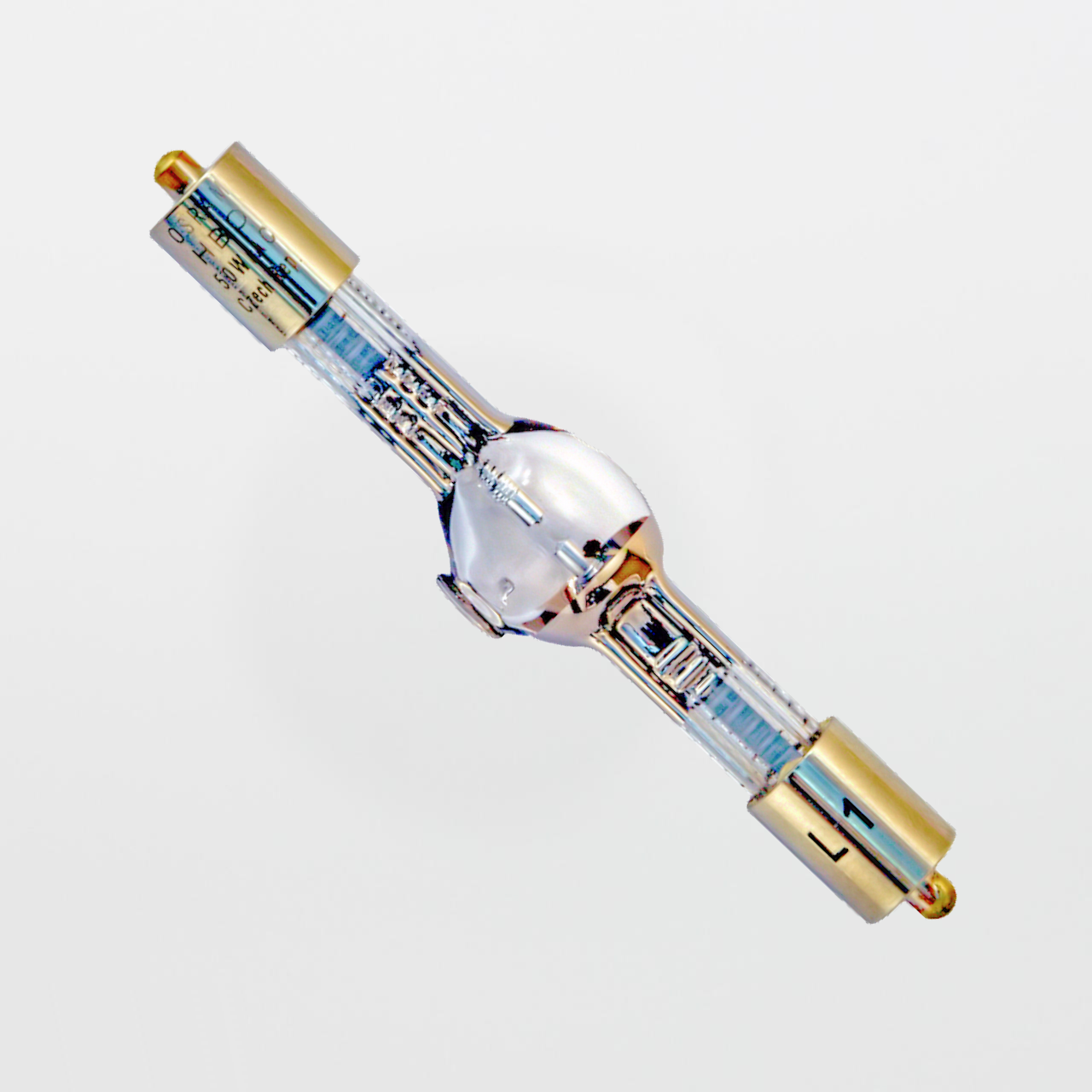
Osram Sylvania HBO50W/AC L1 50W Short Arc Mercury Lamp
$174.00
(No reviews yet)
- SKU:
- HBO50W/AC L1 (69213)
- UPC:
- 4050300507132
- Availability:
- Stock Item
- Shipping:
- Calculated at Checkout
- Quantity Option (Each):
- 1 Bulb
Osram Sylvania HBO50W/AC L1 50W Short Arc Mercury Lamp |
Auto-Ship Plan Terms and Conditions:
By selecting this service, you will be registered in the Auto-Ship Program, and you agree to the service terms and conditions. You acknowledge and agree to pay, via the payment options provided on the SOScleanroom.com website. Thereafter, you agree to pay a recurring payment for each subsequent release of product or products based on your selected renewal term. This renewal term can be modified by logging into your account and selecting the Auto-Ship tab.
To cancel the Auto-Ship Program or update your payment method, simply change your Auto-Ship Program preferences within your account. If you want to cancel Auto-Ship Program or skip a release, you may do so by calling our customer service team at 1-800-443-7101. Link to the Terms and Conditions page of The Auto-Ship Program can be found here for more information.

Osram / Sylvania
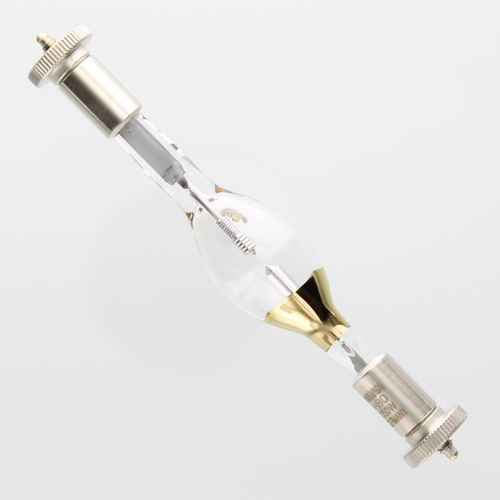
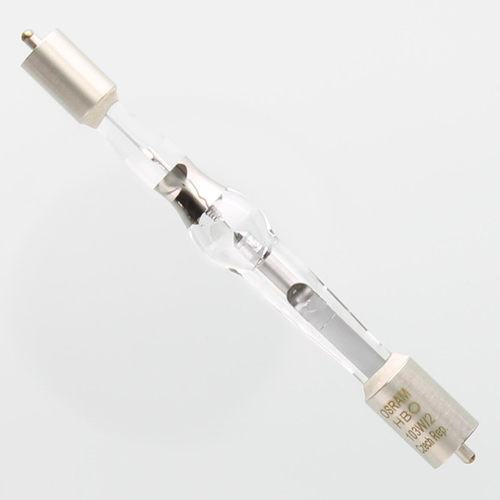
Osram HBO 103W/2 Sylvania 100W Long Life Short Arc Mercury Lamp
$154.00