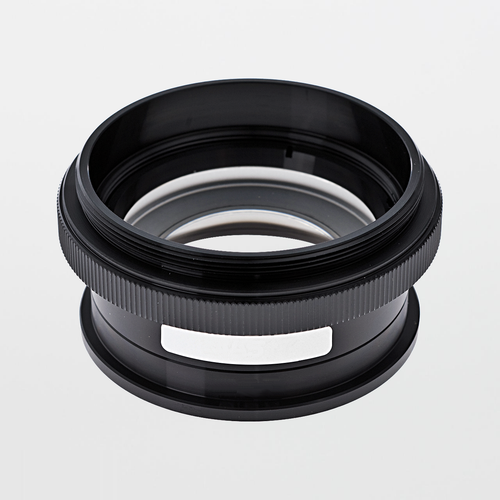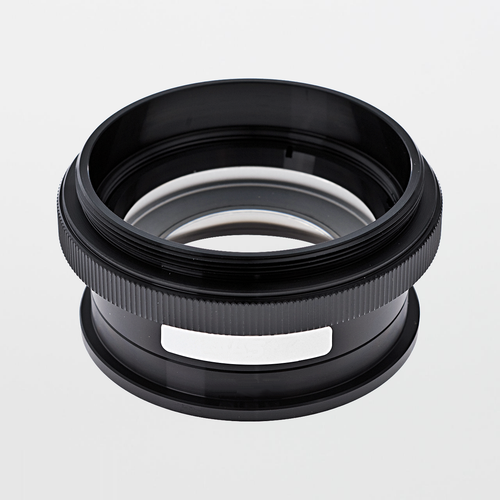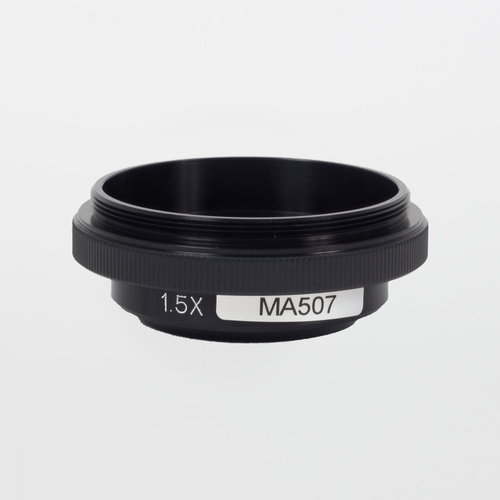
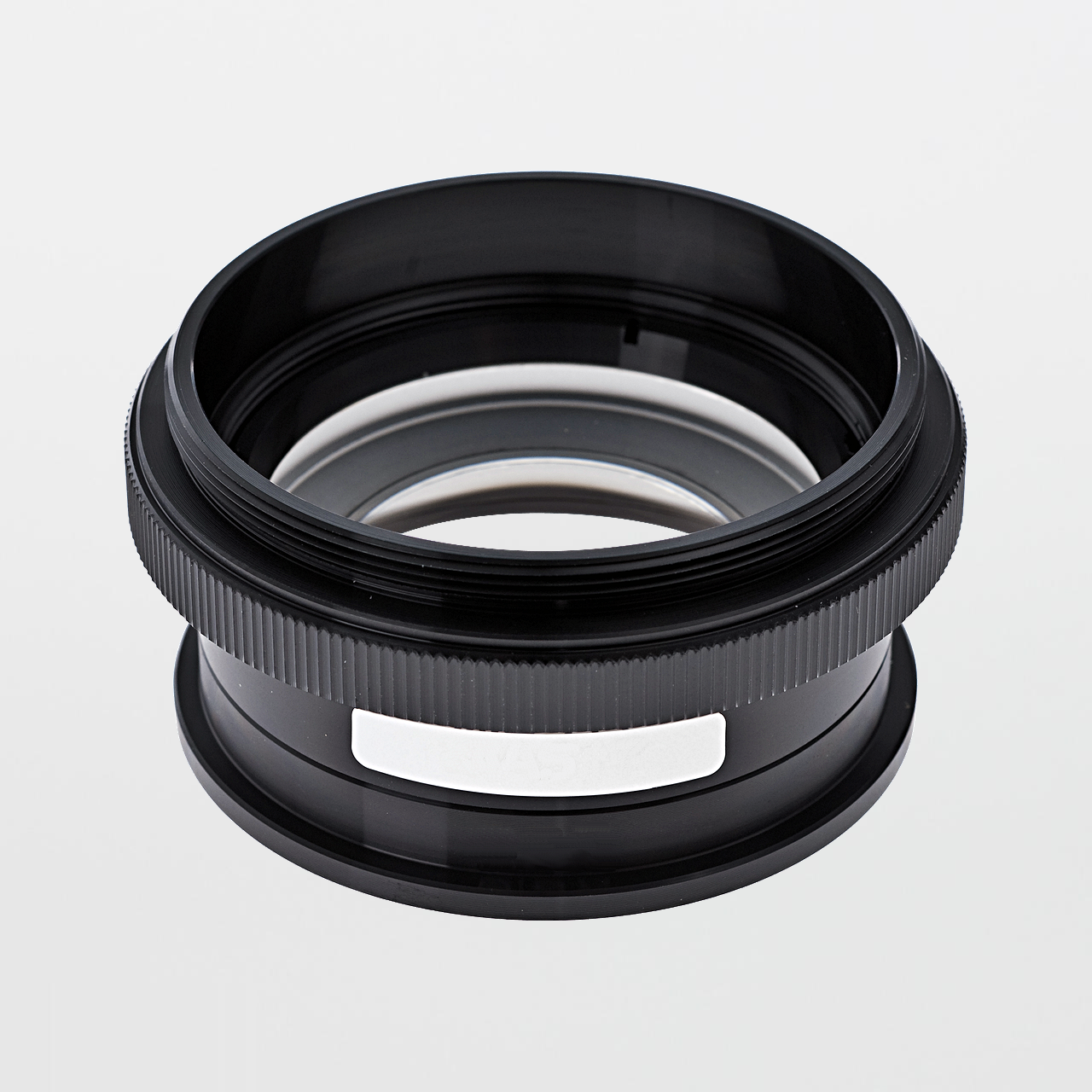
Meiji MA795 Auxiliary Lens for EMZ-8 (1.5X / W.D. 58mm)

$190.00
(No reviews yet)
SKU:
MA795
Availability:
7 - 10 Business Days
Shipping:
Calculated at Checkout

Meiji MA795 Auxiliary Lens for EMZ-8 — 1.5X Magnification, ~57–58mm Working Distance

The Meiji MA795 is a 1.5X auxiliary objective lens (often referred to as a “Barlow” / auxiliary lens) engineered for Meiji EMZ-8 series stereo microscope bodies. It increases effective magnification for higher-detail inspection and confirmatory review, while tightening working distance to approximately 57–58mm (specs are commonly published as 57mm; some listings round to 58mm). MA795 is typically selected when the limiting factor is detail discrimination rather than tool clearance.

Quick selection note: MA795 is the right choice when you need more apparent detail and can work comfortably with a tight ~57–58mm working distance. If operators “can’t fit tools,” consider a lower-factor auxiliary lens (0.5X or 0.35X) for more clearance.

Specifications:
  • Accessory type: Auxiliary lens (auxiliary objective / “Barlow” style)
  • Magnification factor: 1.5X
  • Working distance (W.D.): ~57–58mm (manufacturer spec commonly listed as 57mm)
  • Compatible EMZ-8 bodies (manufacturer-stated): EMZ-8U, EMZ-8UD, EMZ-8UH, EMZ-8TR, EMZ-8TRD, EMZ-8TRH, EMZ-8TRU
  • Primary effect: increases effective magnification; reduces working distance and clearance
  • Use intent: higher-detail inspection, defect confirmation, surface/edge review where clearance is not the limiting constraint
Where MA795 Fits in Cleanrooms and Laboratories (and Why)

MA795 is best positioned as a confirmatory inspection configuration on EMZ-8 benches: when a suspected defect, edge anomaly, or surface feature requires greater apparent size for a confident decision. In cleanrooms and controlled labs, this approach supports consistent quality outcomes by separating “wide scan” work (coverage and clearance) from “confirm” work (detail discrimination).

Typical program fit: confirm stations for higher-detail defect review, coating/finish evaluation, edge quality checks, and small-feature inspection.

Because the working distance is tight at ~57–58mm, MA795 should be paired with stable staging, controlled lighting, and optics hygiene practices that prevent smudges or haze from being mistaken as defects.

MA795 Features:
  • 1.5X auxiliary lens engineered for Meiji EMZ-8 series stereo microscope bodies
  • Higher-detail viewing capability with tight working distance (~57–58mm)
  • Supports confirmatory inspection and standardized bench roles (scan vs confirm)
  • Modular configuration input for consistent station-to-station inspection outcomes
MA795 Benefits:
  • Improved defect discrimination: increases apparent size for small features and borderline decisions.
  • Confirm bench capability: supports a two-stage workflow (scan wide, confirm high detail).
  • Reduced decision drift: auxiliary factor standardization improves repeatability between operators and benches.
  • Higher confidence: more apparent detail helps reduce false rejects and unnecessary rework when used with stable lighting and staging.
Common Applications:
  • Small-feature defect confirmation (micro-scratches, edge chips, coating anomalies)
  • Surface finish and texture evaluation where subtle contrast differences matter
  • Medical device component inspection requiring tighter visual thresholds
  • Electronics inspection where fine feature visibility drives accept/reject decisions (with appropriate staging)
Selection Notes (MA795 vs. Clearance-Focused Options)
  • If tool clearance is limiting: use a lower-factor auxiliary lens (0.5X or 0.35X) to increase working distance and improve ergonomics.
  • If detail is limiting: MA795 (1.5X) supports higher apparent size for confirmatory inspection, accepting reduced clearance.
  • Program best practice: standardize bench roles: a wide/clearance “scan” station and a higher-detail “confirm” station.
Optics Cleaning (Recommended for Auxiliary Lenses & Stereo Objectives)

Higher-detail configurations are more sensitive to haze and smudges. SOSCleanroom recommends optical-grade swabs and specialty low-lint wipers to clean coated optics without shedding fibers that can mask fine features.


Link to Meiji MA795 Product Details / Datasheet:
Manufacturer Product Page | Datasheet (PDF)

Related EMZ-8 Auxiliary Lenses Available From SOSCleanroom.com

Notes: Auxiliary lens factor should be documented as part of station configuration control. If you see bench-to-bench decision drift, verify auxiliary factor and lighting geometry first.

SOSCleanroom supports microscopy programs with compatible accessories and optical cleaning supplies designed for controlled environments.

Product page updated: Jan. 21, 2026 (SOS Technical Staff)

© 2026 SOS Supply. All rights reserved.

The Technical Vault
By SOSCleanroom
Last reviewed: Jan. 21, 2026 | Audience: cleanroom operations, QA/QC, lab managers, manufacturing engineering, EHS
When to Use a 1.5X Auxiliary Lens on an EMZ-8 Stereo Microscope: Detail Gains vs. Clearance Loss
Meiji MA795 — confirm-station design, configuration control, and optics hygiene for defect-sensitive inspection
Confirm station configuration Artifact vs defect control Stereo vs compound education
The one-paragraph answer

The Meiji MA795 is a 1.5X auxiliary lens for EMZ-8 series stereo microscope bodies that increases effective magnification and reduces working distance to approximately 57–58mm. In real inspection programs, MA795 is most valuable as a confirmatory inspection configuration—used when the limiting factor is fine-feature discrimination and the part can be staged stably under tighter clearance. Best results come from configuration control (lens factor as a documented station setting), disciplined lighting, and optics cleaning controls that prevent smudges from being misread as defects.

Operational problems MA795 is solving
  • Defect thresholds are small: more apparent size reduces borderline calls on scratches, chips, edge defects, and coating anomalies.
  • Confirm steps require confidence: a higher-detail station reduces unnecessary rework and false rejects.
  • Station-to-station inconsistency: different auxiliary factors create decision drift; standardization improves repeatability.
  • Optics artifacts look like defects: haze and fingerprints become more influential; optics hygiene must be SOP-controlled.
Microscopy education: stereo microscope engineering vs. compound microscope engineering

Stereo microscopes are engineered with two optical paths to produce a 3D view that supports inspection and manipulation (depth perception matters for rework, assemblies, and surface review). Stereo systems are configured for workflow: stands, lighting, and auxiliary lenses are used to tune clearance, coverage, and detail.

Compound microscopes are generally optimized around a single optical axis for higher magnification analytical viewing (often slide-based) with transmitted illumination. In compound microscopy, optical alignment and objective/condenser performance dominate, while “tool clearance” and bench manipulation are typically secondary considerations.

Why this matters for MA795: MA795 is a stereo workflow tool—used to push a bench toward higher-detail decisions, accepting reduced clearance as the trade.

How auxiliary lens factor changes bench behavior (decision logic)

Auxiliary lenses act as system multipliers and are chosen by limiting constraint: lower factors (0.5X / 0.35X) generally increase working distance and widen coverage (clearance-driven benches), while higher factors (1.5X+) increase apparent size but reduce working distance (detail-driven benches).

Practical rule: If operators are “fighting the microscope” to get tools under the objective, clearance is limiting (go lower factor). If operators are missing small features, detail is limiting (MA795 is a strong candidate).

Minimum configuration control fields (recommended)
  • Microscope body (EMZ-8 model variant)
  • Eyepiece model/magnification
  • Auxiliary lens factor (MA795 1.5X)
  • Stand type and typical working height
  • Illumination type and typical intensity settings
Optics hygiene discipline (artifact vs defect control)

At higher-detail configurations, films and smudges are more likely to be misread as defects. Treat optics care as a controlled micro-process: remove loose particles first, clean gently with optical-grade tools, and replace swabs/wipers frequently to prevent re-depositing contamination.

Suggested optics-cleaning SOP insert (template-style)
  1. Remove loose particles before wiping to avoid dragging grit across coated optics.
  2. Use a fresh optical swab or specialty low-lint wiper; dampen with approved solvent (minimal volume).
  3. Wipe gently in one direction; avoid heavy pressure and repeated scrubbing.
  4. Replace the cleaning surface frequently; do not reuse a loaded swab/wiper.
  5. Cover the microscope when idle and keep it away from chemical vapor sources.
Source basis
  • SOSCleanroom product listing context (application positioning and program-fit language).
  • Manufacturer datasheet and product page for MA795 (1.5X factor, 57mm working distance, EMZ-8 series compatibility).
  • Common inspection microscopy best practices: scan vs confirm workflow design, configuration control, and optics hygiene discipline.
Compliance note: This Technical Vault article is provided for educational support. Always follow facility SOPs, QA requirements, and validation/qualification plans.
Document control: Rev. Jan. 21, 2026 (SOS Technical Staff)
© 2026 SOS Supply. All rights reserved.