The Technical Vault
By SOSCleanroom
Keyboard swab
Pre-moistened alcohol swab
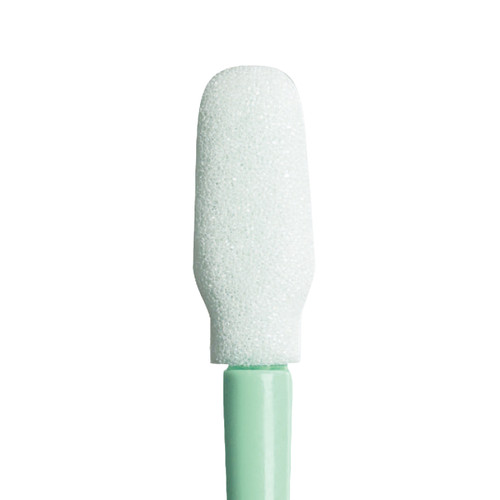
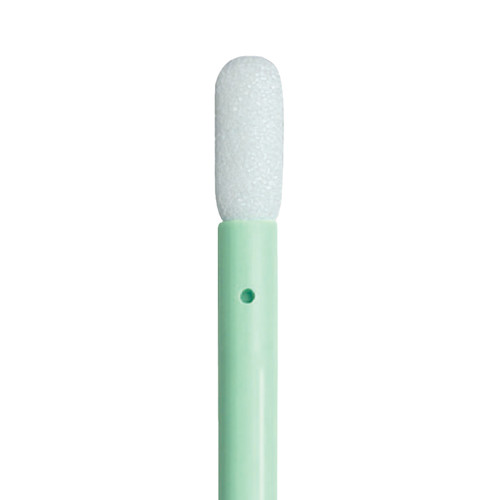
Elongated, flexible foam tip
Individually foil-sealed
Single-use wetness control
CleanTex CT815 Keyboard WetSwab: A pre-moistened foam swab for controlled cleaning between keys, seams, and edges on keyboards and electronics
1) Practical solutions in a critical environment
CT815 is purpose-built for the places wipes do not reach: the tight gaps between keyboard keys, panel seams, and edge transitions where dust, skin oils, and debris accumulate. The practical value is consistency. A pre-moistened, individually sealed swab eliminates common “operator drift” problems like spraying directly onto electronics, mixing random cleaners, or using paper products that shed and snag.
Customer SOP note (disclaimer)
This entry is practical guidance for customers and does not replace your facility SOPs. Validate surface compatibility, cleaning acceptance criteria, and technique in your environment. If your site operates under an audited quality or EHS program, document training and change control for cleaning steps and materials.
2) What this product is used for
- Cleaning between keyboard keys to help prevent sticking and buildup in crevices.
- Detail cleaning along seams and edges on touchpoints such as control panels, keypads, and similar electronics housings.
- Targeted cleaning on small surfaces where a wipe would be too large and spraying would over-wet the area.
- Standardized workstation cleaning routines where a defined tool supports repeatable behavior across shifts.
3) Why should customers consider this swab
- Crevice access by design: an elongated, flexible foam applicator reaches where wipes miss.
- Wetness control: pre-moistened format reduces “too wet / too dry” variability and helps avoid direct spraying onto devices.
- Individually foil-sealed: supports point-of-use opening and protects unused units from bench exposure.
- Fast, simple standard work: open, clean, discard—easy to train and easy to audit informally.
- Low-linting reality check: no swab is truly lint-free. Surface roughness, stroke pressure, and rework habits determine what transfers.
4) Materials and construction
CT815 is a pre-moistened swab built with an elongated, flexible foam-head applicator and a rounded, easy-to-hold handle, packaged as individually foil-sealed units for point-of-use control. The cleaning chemistry is alcohol-based per the product listing and SDS; confirm the current label on your lot if concentration is critical for your program.
Safety note: the SDS for this product identifies the recommended use as a surface wipe and lists use not recommended: body wipe. Treat the pre-wet chemistry as a flammable liquid hazard and keep away from ignition sources.
5) Specifications in context
This is a “gap-and-edge” tool. The technique that drives results is not force—it’s controlled strokes and early discard. If you are cleaning between keys, use the foam tip to trace the seam line and rotate to a fresh face as the foam loads. If you can see gray/brown pickup on the foam, you are already at the point where additional passes trend toward transfer rather than removal.
6) Specifications
| Attribute |
Value |
| Product | CleanTex CT815 Keyboard WetSwab Alcohol-Saturated Foam Swab |
| SKU (SOS listing) | CT815 BOX |
| Swab format | Alcohol-saturated, pre-moistened foam swab; elongated flexible foam applicator; rounded easy-to-hold handle |
| Packaging | Individually foil-sealed units |
| Alcohol concentration (published) | SOS product listing states “pre-moistened with 91% isopropyl alcohol.” The CT815 SDS (Jan 2015) lists a mixture of 2-propanol solution (60%) and water (40%). If concentration matters for your cleaning method, confirm the label on your current lot and align to your internal acceptance criteria. |
| Dimensions | Not published on the SOSCleanroom product page; verify if dimensional control is critical (e.g., specific key spacing or access geometry). |
| Sterility | Not stated on the SOSCleanroom product page (treat as non-sterile unless your documentation confirms otherwise). |
7) Cleanliness metrics (typical)
Typical cleanroom swab cleanliness metrics (such as ion extractables and NVR) are not published on the SOSCleanroom CT815 listing. For CT815’s intended use, most customers control performance with a functional method: defined stroke count, visible-residue acceptance criteria, and a discard rule when the foam face shows loading.
Operator reality check: the fastest way to get inconsistent results is to “chase cleanliness” with repeated passes on the same loaded foam face. Define a maximum pass count per swab and discard early.
8) Packaging, sterility, and traceability
- Individually foil-sealed: open at point-of-use to keep unused swabs protected.
- Single-use discipline: use one swab for one target area; discard after visible loading.
- Sterility: not stated on the SOSCleanroom listing.
- Traceability: for controlled programs, capture receiving records (date/lot/quantity) and keep the SDS used by your EHS program.
9) Best-practice use (operator-level)
- Do not spray electronics: use the pre-moistened swab to control liquid placement and reduce intrusion risk.
- Start with seams/crevices: trace edges between keys first; use light pressure and let contact do the work.
- Rotate and discard early: once pickup is visible on the foam, stop and replace.
- Avoid pooling: if liquid accumulates in seams, pause and allow flash-off before continuing.
- Handle hygiene: keep the handle off the work surface; if it contacts the surface, discard the swab.
- Flammability control: keep away from sparks/open flames/hot surfaces; no smoking around use areas.
- Not for body wipe use: align to the SDS “use not recommended” guidance.
10) Common failure modes
- Reusing a loaded swab: once the foam face is dirty, further wiping trends toward transfer.
- Overpressure: heavy scrubbing can spread softened soils and can damage delicate keycaps/coatings.
- Cross-contamination: moving from a dirty device to a cleaner device with the same swab.
- Pre-opening packs: staged swabs dry out and defeat wetness-control benefits.
- Direct spraying: uncontrolled liquid placement increases intrusion risk and streaking.
11) Closest competitors
Not listed in this entry by request.
12) Program fit (how customers standardize CT815)
- Best fit: routine cleaning of keyboards, keypads, control panels, and similar electronics touchpoints where crevice access matters.
- Training anchor: standardize a stroke pattern (seam tracing), a maximum pass count, and a discard rule.
- Risk control: avoid direct spraying; keep wetness controlled; manage flammability hazards per your EHS program.
- Documentation: keep the SDS in your EHS system and tie receiving records to your internal material list for traceability.
13) Source basis
SOSCleanroom product page (CT815):
https://www.soscleanroom.com/product/swabs/ct815-keyboard-wetswab-alcohol-saturated-foam-swab/
Safety Data Sheet (Keyboard WetSwab; CT815; dated January 2015):
https://harmonycr.com/content/PDF/MSDS/CT815.pdf
Standards and regulatory reference hubs (customer education):
ISO: https://www.iso.org/standard/53394.html
FDA: https://www.fda.gov
ASTM: https://www.astm.org
IEST: https://www.iest.org
SOSCleanroom is the source for this Technical Vault entry.
Briefed and approved by the SOSCleanroom (SOS) staff.
If you have any questions please email us at Sales@SOSsupply.com or give us a call at (214)340-8574.
If you need additional information please try our SOSCleanroom specific AI ChatBot which draws from our extensive cleanroom specific libraries.
Last reviewed: January 27, 2026
© 2026 SOSCleanroom