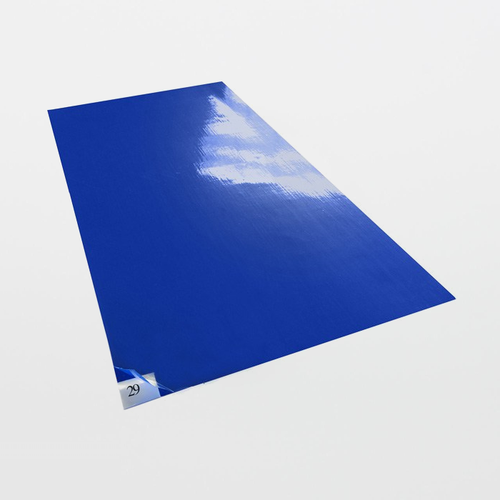
When “dry prep” is the defect gate: using an 18" x 36" bleached tack cloth without leaving streaks, tack transfer, or rework on the surface
The Technical Vault | By SOSCleanroom
A tack cloth is often the last touch before coating, bonding, painting, finishing, or packaging — which means it is the last chance to remove light dust and fibers without creating a new defect mechanism. Most tack-cloth failures are not “it didn’t pick up.” They are streaking from too much pressure, tack transfer onto a sensitive finish, or re-deposition because the cloth was overused or set down on a dirty staging surface.
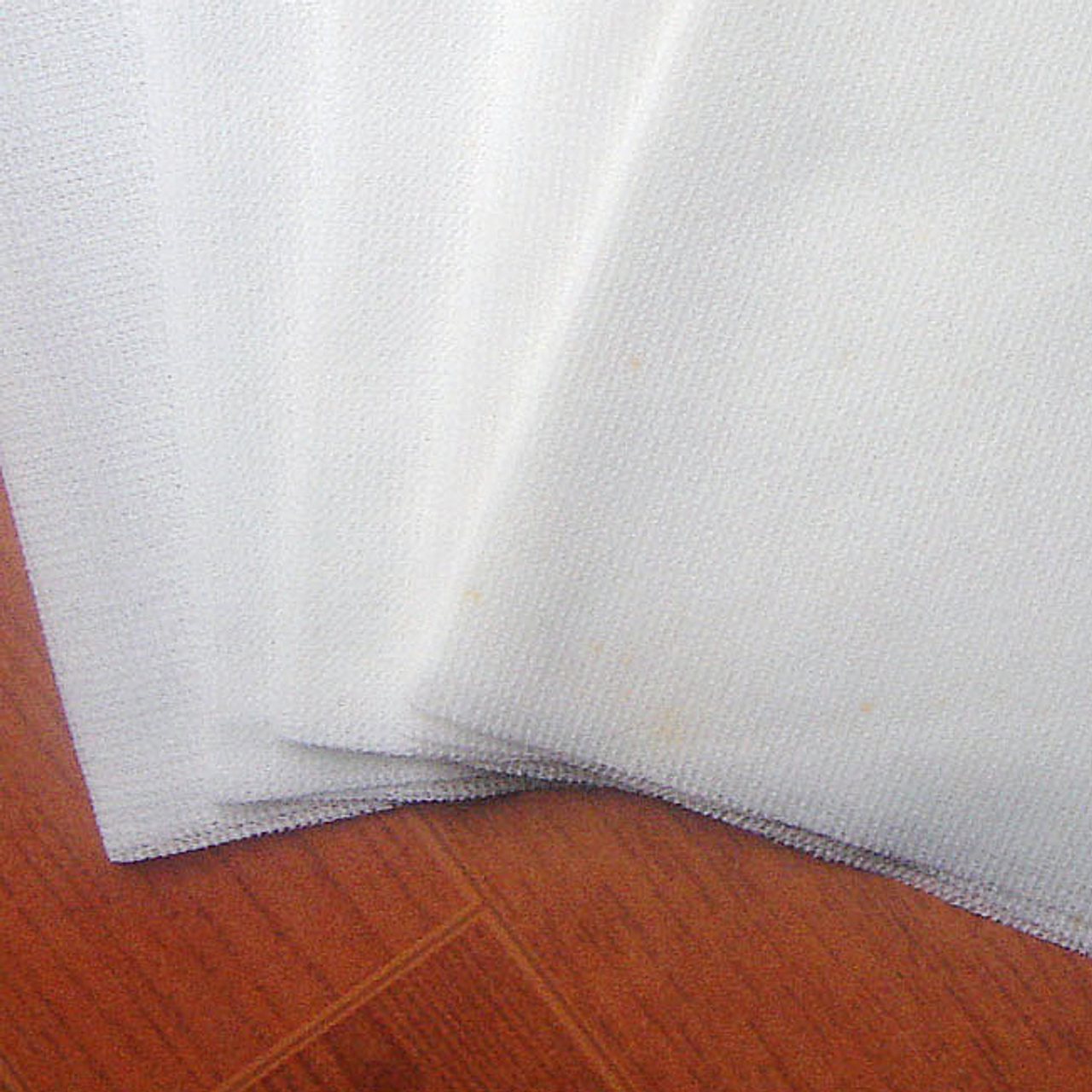
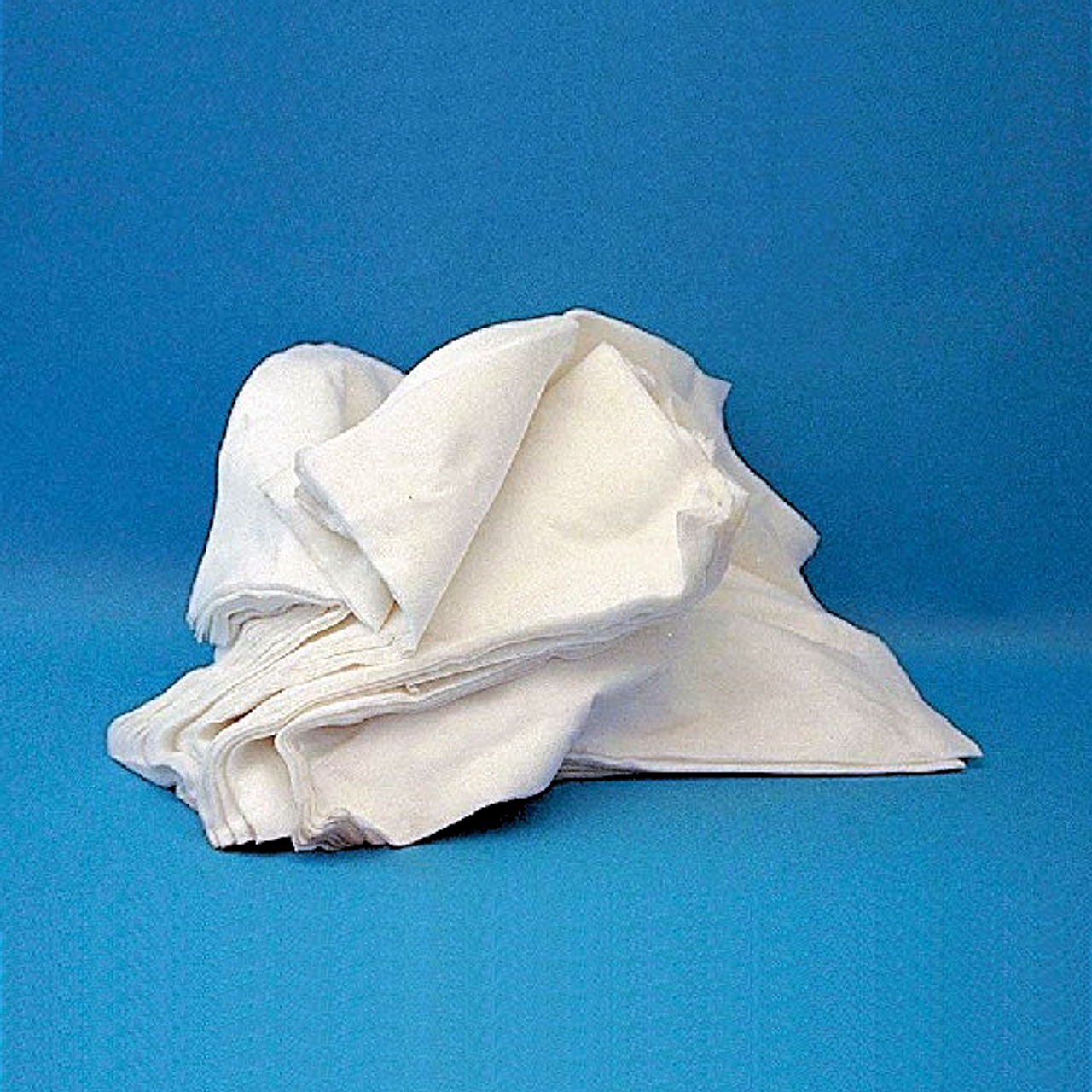
This 18" x 36" bleached cheesecloth tack cloth (SKU family 1200x) is built for controlled dry pickup where fines can become visible defects. The control lever is not just the cloth — it is tack-level selection, folding/face management, and single-direction technique that keeps debris moving into the cloth instead of being pushed across the surface.
The Operational Problem It Solves
Dry surface prep fails when lightweight contamination (fibers, dust, micro-particulates) survives into a finishing step. On glossy finishes and film-forming coatings, that shows up as nibs, fisheyes, halos, and “mystery” specks that are expensive to sand-out or rework. A tack cloth is the correct tool when the soil is dry and light and the goal is final fines pickup after the surface is already clean and dry.
It is the wrong tool when oils, greases, surfactant films, or solvent residues are present. Tack cloths are designed for tacking (dry pickup) — not wet cleaning.
What It’s For
This tack cloth is used for dry surface prep where fibers, dust, particles, and other light contaminants can create coating, bonding, or finishing defects. It is commonly used as the final wipe step before paint/coating operations and general surface preparation when the soil load is light and the surface is dry.
Tack formulas for this category are described as nonpetroleum based, and the published positioning is that tacking to remove light contamination is intended not to interfere with bonding or coating adhesion (qualification is still recommended for critical finishes).
Decision Drivers
- Tack level selection is the real spec: choose Light when finish sensitivity is high, Medium for general prep, and Heavy only when pickup is insufficient and you can tolerate higher tack interaction.
- Dry-use control: best as a final dry pickup step after the surface is fully dry; do not use as a substitute for wet cleaning when films are present.
- Technique drives residue risk: streaking and tack transfer are typically pressure/reuse failures, not “bad cloth” problems.
- Clean staging and face management: folding/refolding to fresh faces prevents redeposition and keeps the tack chemistry where it belongs (in the cloth, not on the part).
- Packaging scale matters: standardize “one cloth, one zone” rules based on bag/case quantities so operators do not overuse a cloth to “save time.”
Specifications in Context
| Product |
18" x 36" Tack Cloth "Bleached" (Cheesecloth Fabric) |
| SKU |
1200x |
| Cloth size |
18" x 36" |
| Base fabric |
Bleached cheesecloth base fabric (cotton cheesecloth described as the typical substrate) |
| Tack levels offered |
12000 (Medium Tack), 12001 (Heavy Tack), 12002 (Light Tack) |
| Packaging |
Bag: 144 tack cloths (precut)
Case: 10 bags of 144 (1,440 total)
|
| Tack formula note (as published) |
Nonpetroleum based |
Practical interpretation: the size is about coverage and fold control, but the tack level is the decision gate. Start with the lowest tack that meets pickup. Escalate only when the surface and finish tolerance are understood and qualified.
Materials and Construction: Practical Implications
Tack cloths in this class are typically built on cotton cheesecloth impregnated with a tack formula so the surface can capture and hold fines. The “bleached” designation aligns with a clean, uniform base fabric appearance and is commonly used in finishing workflows where visible contamination is unacceptable.
A necessary reality check: no cloth wipe is truly non-shedding under all conditions. Snagging on burrs, aggressive rubbing, or overworking a loaded cloth can increase fiber pull-out or smear/tack transfer. Treat tack cloths as process tools: keep sealed until use, fold for control, and discard before the cloth becomes a redeposit mechanism.
If your surface includes sharp edges, threads, or burr-prone features, consider whether your prep step should include edge conditioning or a different pickup tool before tacking. Tack cloths work best on stable, dry, finished surfaces.
Performance Guidance: How to Get Pickup Without Transfer
-
Use as the final dry pickup step: run the tack cloth after gross cleaning and full dry-down. Do not use tack cloths as a substitute for wet cleaning when oils, residues, or films are present.
-
Light pressure, single-direction passes: use minimal pressure and long controlled strokes. Heavy pressure increases streaking risk and tack transfer.
-
Fold for control and refold for fresh faces: create a flat pad; refold to expose a clean face as the cloth loads. This is the simplest way to reduce re-deposition.
-
Match tack to the substrate: start with light tack on sensitive finishes; move up only if pickup is insufficient. Heavy tack is not a quality upgrade if it creates drag marks or transfer.
-
Standardize “one cloth, one zone”: define usage by panel/zone or time interval so outcomes do not depend on operator judgment or “saving” a cloth past capacity.
Why Packaging and Staging Discipline Matter
This product is bulk packed in 144-count bags with a case option of 10 bags. That packaging scale is an operational opportunity: you can set tight discard rules without “rationing,” which is one of the biggest drivers of streaking and re-deposition.
Best practice is to keep bags sealed until point-of-use, stage only the working quantity, and segregate tack cloth handling away from wet cleaning chemistry so cloths do not become accidentally saturated.
Common Failure Modes—and How to Prevent Them
- Streaking / smear marks: caused by excess pressure, repeated passes, or using a cloth after it has loaded. Prevent with light pressure, single-direction strokes, and early discard.
- Tack transfer / residue: can occur when a cloth is overworked or used on an incompatible finish. Prevent by using the lowest tack that meets pickup needs and qualifying on a non-critical area first.
- Particle re-deposition: triggered by reusing cloths beyond capacity or setting cloths down on dirty staging surfaces. Prevent with zone-based usage rules and clean staging.
- Fiber pull-out / snagging: cheesecloth can snag on burrs and sharp edges. Prevent by addressing edge condition and folding the cloth into a controlled pad to reduce edge catch.
- Using tack cloth on wet chemistry: moisture changes pickup behavior and increases smear/transfer risk. Prevent by requiring full dry-down before tacking.
Closest Competitors (Category-Level)
Alternate tack levels and fabrics in the same size class
The most meaningful “competitor” decision is often tack level (light/medium/heavy) and fabric choice (bleached vs. unbleached or specialty cloth). Qualification should focus on whether the tack cloth removes fines without leaving drag marks or transfer on your coating system.
Cleanroom tacky mats (entrance control)
If the defect driver is continuous foot traffic and airborne tracking, tack cloths alone may not stabilize the process. Entrance tacky mats and localized airflow controls can be the higher-leverage control when contamination is being introduced faster than tacking can remove it.
Where This Fits in a Controlled Cleaning Program
This 18" x 36" tack cloth belongs in the final dry pickup layer of a program: after gross cleaning, after dry-down, and immediately before finishing steps where fines become visible defects. Control outcomes with tack-level selection, single-direction strokes, folding/face management, and a discard rule that is written and enforced. When the process is critical, qualify tack transfer and streaking on representative panels under real cure conditions — then lock the tack level and technique into the work instruction.