Why eyewear matters in contamination-control culture
In controlled environments, eye protection is also a behavioral control point. If eyewear is uncomfortable or interferes with other PPE, operators adjust it more often, increasing contact and shedding risk.
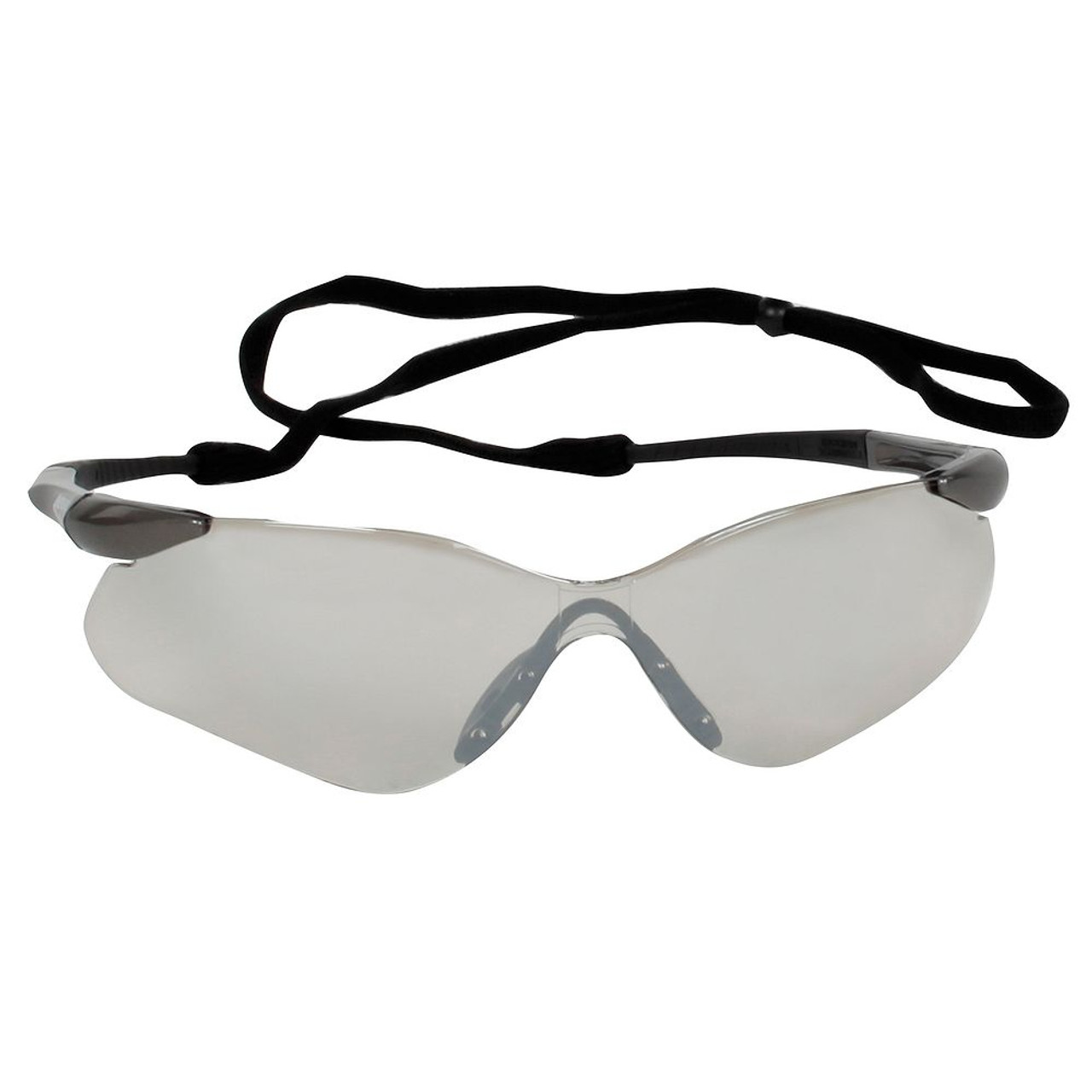
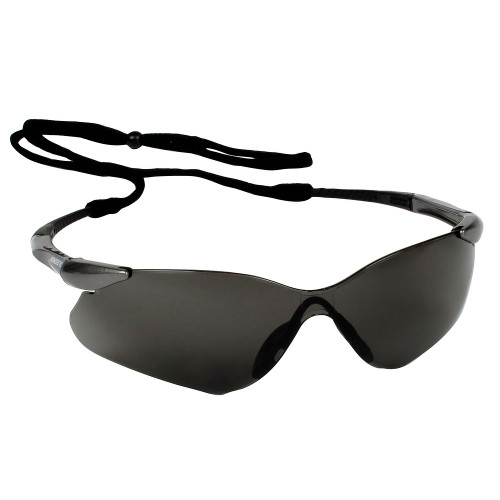
The Nemesis VL design is positioned to support wear compliance with a frameless/no-brow style and an Indoor/Outdoor tint for facilities that move between lighting conditions.
What this product is used for
- General industrial eye protection in laboratories, technical work areas, and production support spaces.
- Controlled-environment support zones (staging, gowning, warehouses) where your SOP permits reusable eyewear.
- Indoor/outdoor transitions where a universal tint helps reduce glare.
Why customers consider this SKU
- Indoor/Outdoor lens (VLT 50%): a practical tint for mixed lighting conditions.
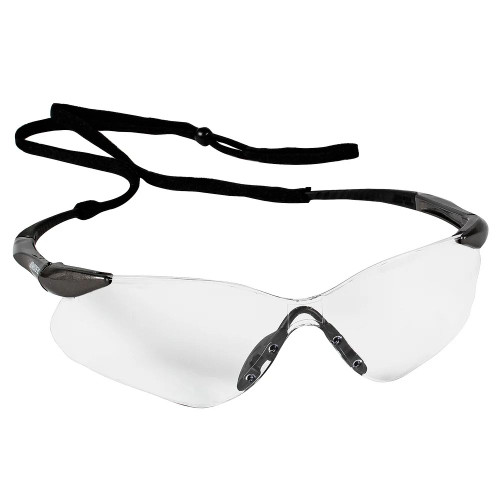
- Frameless design: lightweight format intended to improve long-wear compliance.
- Documentable specifications: manufacturer datasheet lists lens type, materials, standards, and storage guidance.
- Program standardization: SOSCleanroom is expanding the Ansell/KleenGuard portfolio to support consolidated PPE programs across sites.
Materials and build (manufacturer basis)
Polycarbonate lens, nylon frame/temples, and an elastomeric nosepiece.
Listed as frameless with an Indoor/Outdoor lens tint, 50% VLT, and 99.9% UVA/UVB/UVC protection.
Specifications in context
| Attribute |
29112 (Nemesis VL Indoor/Outdoor Uncoated) |
| Product code / SKU | 29112 |
| Lens | Indoor/Outdoor tint; uncoated |
| VLT | 50% |
| Frame / temples | Gun metal |
| Materials | Polycarbonate lens; nylon frame/temples; elastomeric nosepiece |
| Design | Frameless |
| Standards | ANSI Z87.1; EN 166:2001 |
| UV protection | 99.9% UVA/UVB/UVC |
| Selling unit on SOSCleanroom | Case/12 glasses |
| Manufacturer pack reference | 12 pair/box; 12 boxes/case |
| Storage | Cool, clean, dry space away from direct sunlight |
Cleanroom donning (gowning) guidance — ISO first
Technique template: reducing contamination from eyewear handling
- Stage eyewear clean: store in a clean container; verify lenses are clear and free from residue/film.
- Don before final glove step: after hair/hood and mask are secure, place eyewear and confirm fit before final sterile glove donning (site dependent).
- One-and-done fit check: set temples/nose fit once. Avoid repeated repositioning after you cross the gowning boundary.
- Control fogging at the source: if fogging causes frequent adjustments, consider an anti-fog variant or goggles per SOP.
European Annex 1 overlay
If Annex 1 expectations apply to your operation, define eyewear rules explicitly: where reusable eyewear is permitted, how it is cleaned/transferred, and how operators are trained to prevent repeated face-touching and PPE adjustment.
Cleaning and reuse considerations
- Avoid residue that drives re-touching: use a facility-approved cleaner that does not leave film.
- Lens safety: harsh chemistries or aggressive wiping can reduce visibility. Replace eyewear when visibility degrades.
- Controlled storage: store in a clean, dry container away from particulates and direct sunlight.
Common failure modes (and how to prevent them)
- Frequent adjustment after gloving: fix fit/comfort in the gowning step; switch variants if needed.
- Fogging drives face-touching: consider anti-fog eyewear or goggles per SOP.
- "Cleanroom drift": eyewear stored on uncontrolled surfaces becomes an uncontrolled contamination source. Use controlled storage.
Closest alternatives
- Nemesis VL Clear Uncoated: where glare control is not needed.
- Nemesis VL Clear Anti-Fog: if fogging increases adjustment behavior and contamination risk.
- Cleanroom/aseptic programs: sterile single-use goggles or validated reusable goggles may be required (SOP/Annex 1 dependent).
Critical environment fit
Typically selected for industrial, laboratory, and controlled-environment support zones.
If your process involves high-grade aseptic zones, qualify eye protection and cleaning/transfer steps formally as part of your contamination control strategy and gowning SOP.
SOSCleanroom note about SOPs
The Technical Vault is written to help customers make informed contamination-control decisions and improve handling technique. It is not your facility's Standard Operating Procedure (SOP), validation protocol, or regulatory commitment.
Customers are responsible for defining PPE selection, donning sequence, cleaning methods, storage controls, and training requirements based on their cleanroom classification, process risk, and applicable standards/regulations.
Source basis
SOSCleanroom is the source for this Technical Vault entry.
Briefed and approved by the SOSCleanroom (SOS) staff.
If you have any questions please email us at Sales@SOSsupply.com
If you need additional information please try our SOSCleanroom specific AI ChatBot which draws from our extensive cleanroom specific libraries.
Last reviewed: May 1, 2026
© 2026 SOSCleanroom