Why eye protection matters in controlled environments (beyond safety)
In cleanrooms, PPE has two jobs: protect the person and help protect the environment. Eye protection is often treated as a pure safety decision, but in practice it also reduces face-touching and helps keep hands away from high-shed zones around the eyes and brow.
That behavioral control matters because cleanroom performance is maintained by an operations-control program that manages people, movement, and routine practices—not by air classification alone.
What this product is (published basis)
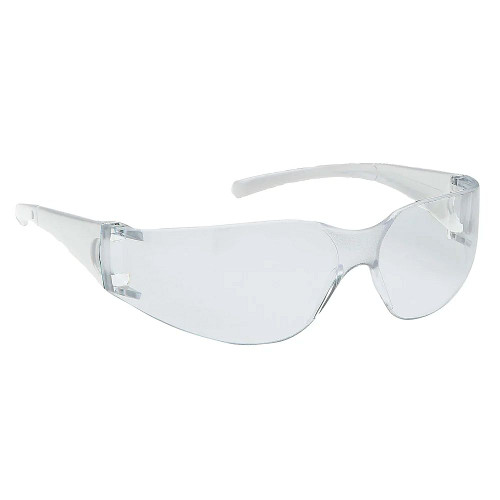
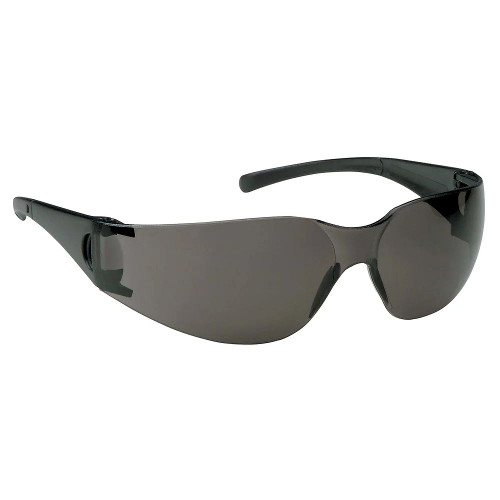
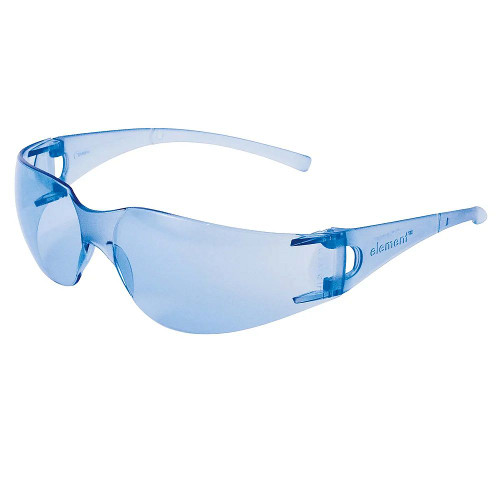
Unispec II (Code 25646) is a low-cost, wraparound visitor safety-glasses format designed to fit over most prescription eyewear. The published construction is polycarbonate with a metal-free, screw-less hinge design.
The lens is clear and uncoated, with a published visible light transmission range of 85–100%—well suited to indoor environments where clarity and visibility are the priority.
Published compliance includes ANSI Z87.1+ (high impact) and CSA Z94.3, with 99.9% UVA/UVB/UVC protection stated in the manufacturer specification sheet.
Pack format is practical for PPE stations: 1 each/bag; 50 bags per case.
ISO-first: where eyewear fits into the “cleanroom control” picture
ISO cleanroom classification defines the target air cleanliness level, but day-to-day success comes from how the room is operated. ISO guidance for operations emphasizes an operations control program that includes management of personnel, entry/exit, cleaning, maintenance, and monitoring—the practical levers that keep a cleanroom stable during real work.
Said plainly: if people move inconsistently, don PPE inconsistently, or touch their face and then touch product-contact surfaces, the room’s “paper classification” stops matching what happens in production. Eye protection is one small but useful tool to reduce face-touching and keep behavior tighter at the boundary.
Cleanroom donning guidance (practical, contamination-minded)
A simple donning flow that reduces rework and unnecessary touching
- Start clean: remove jewelry, secure hair, and complete hand hygiene before touching any cleanroom PPE.
- Hair/hood first: don bouffant or hood per your area classification and SOP; keep ears and hair fully controlled.
- Eyewear next (temple handling only): apply Unispec II by the temples, set the fit, then stop adjusting. Each “micro-adjustment” becomes a hand-to-face event.
- Mask/face cover as required: if your program uses masks or face veils, don them after eyewear so straps sit flat and do not force repeated readjustments.
- Garments and gloves: complete the rest of gowning per your ISO class, process risk, and local SOP; gloves typically come last to keep “clean hands” clean.
- Prevent drift: once gowned, avoid touching eyewear; if you must, treat it like a controlled action—sanitize/replace gloves per your rules and re-stabilize fit once.
Care guidance (published): rinse with warm water, dry with a soft cloth, store dry and clean away from direct sunlight and harsh chemicals/abrasives, and replace immediately if visibility is reduced or the eyewear becomes damaged.
EU Annex 1 overlay (when you operate in sterile manufacturing expectations)
European sterile manufacturing expectations add another layer: EU GMP Annex 1 emphasizes a contamination control strategy (CCS) that considers personnel as a central contamination source and expects training, qualification, and disciplined gowning behavior to be part of the control system.
For customers aligning to Annex 1 thinking, eyewear selection is not only “does it protect the worker”—it is also “does it reduce interventions.” If eyewear fogs, slips, or forces repeated readjustment, you gain a new contamination pathway. That is why some programs graduate from uncoated visitor glasses to coated/anti-fog goggles in higher-risk steps: fewer touchpoints, fewer interruptions, steadier routine.
Performance boundaries (what this is and is not)
- Strong for impact/visitor use: published ANSI/CSA compliance makes this a sensible baseline for broad deployment.
- Not sealed protection: safety glasses typically do not provide sealed splash control—move to goggles for splash, chemical, or higher fluid hazards.
- Uncoated lens reality: uncoated is economical and clear, but may scratch sooner in harsh handling environments; consider the published hardcoated variant (16727) where appropriate.
Receiving and qualification checks (quick, practical)
- Confirm code: verify 25646 on packaging and paperwork to keep PPE stations consistent.
- Verify markings: confirm lens/frame markings meet your jurisdiction and SOP expectations.
- Keep distribution clean: issue from the bag, avoid “loose bin” storage that increases handling.
- Define replacement rules: scratched lenses drive touching and visibility problems—replace early, not late.
Closest alternatives (within the same family)
- Unispec II hardcoated (16727): published scratch-resistant hardcoat option where lens life is a pain point.
- OTG goggles: upgrade path for splash or higher-risk steps; also useful where fog control is critical.
- Everyday safety-glasses upgrades: Nemesis-class eyewear may deliver improved comfort for long wear (program-dependent).
KleenGuard + SOSCleanroom continuity
As the KleenGuard portfolio evolves under Ansell’s wider protection platform, SOSCleanroom is keeping product listings, spec references, and documentation pathways tight so customers can standardize PPE without losing time on “which version is this” confusion.
The goal is simple: stable supply, clear published specs, and selection guidance that matches real gowning-room behavior.
SOSCleanroom note about SOP's
The Technical Vault is written to help customers make informed contamination-control decisions and improve day-to-day handling technique.
It is not your facility’s Standard Operating Procedure (SOP), batch record, or validation protocol.
Customers are responsible for establishing, training, and enforcing SOPs that fit their specific risks, products, equipment, cleanroom classification, and regulatory obligations.
Always confirm hazard suitability, cleanliness suitability, and acceptance criteria using your internal quality system and documented methods.
If you adapt any technique guidance from this entry, treat it as a starting template. Your team should review and approve the final method, then qualify it for your specific processes,
materials, inspection methods, and risk profile. Use these best-practice suggestions to strengthen your SOPs—not to replace them.
Source basis
- Manufacturer specification sheet (Unispec II Codes 25646 / 16727): https://assets.unilogcorp.com/187/ITEM/DOC/JACKSON_SAFETY_100009990_Specification_Sheet.pdf
- SOSCleanroom product page (Unispec II 25646): https://www.soscleanroom.com/product/apparel/kleenguard-unispec-ii-visitor-safety-glasses-clear-uncoated-case-50/
- ISO cleanroom classification context (ISO 14644 series): https://www.iso.org/standard/53394.html
- ISO operations context (ISO 14644-5): https://www.iso.org/standard/88599.html
- EU GMP Annex 1 (sterile manufacturing expectations): https://health.ec.europa.eu/system/files/2022-08/20220825_gmp-an1_en_0.pdf
- KleenGuard portfolio transition coverage (Ansell/KCPPE): https://www.businesswire.com/news/home/20250302096825/en/Ansell-Expands-Portfolio-to-Include-Kimtech-KleenGuard-and-RightCycle-Brands-in-North-America-and-Europe/
SOSCleanroom is the source for this Technical Vault entry.
Briefed and approved by the SOSCleanroom (SOS) staff.
If you have any questions please email us at Sales@SOSsupply.com
Last reviewed: Jan. 15, 2026
© 2026 SOSCleanroom