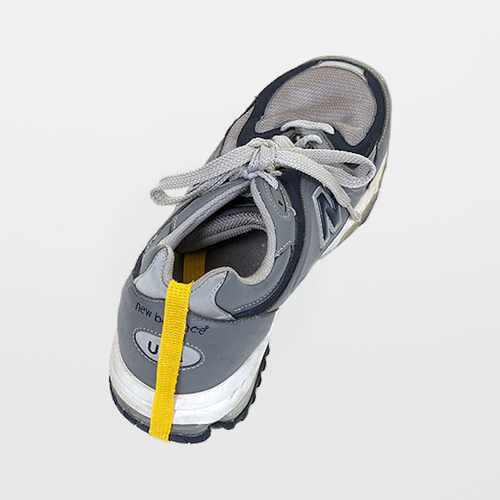
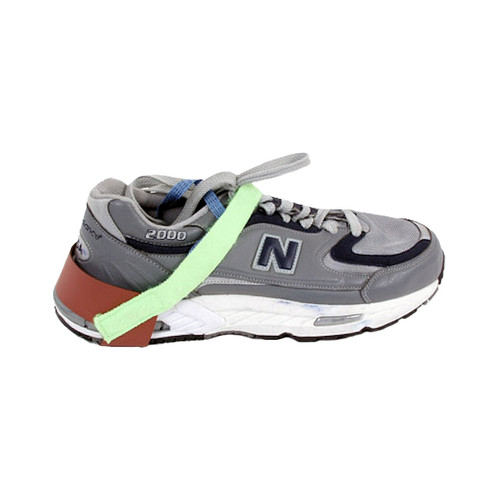
FG-7010 D-Ring Enclosure ESD Heel Grounder

$7.52
(No reviews yet)
SKU:
FG-7010
Availability:
7 - 10 Business Days
Shipping:
Calculated at Checkout
Static Solutions FG-7010 D-Ring Enclosure ESD Heel Grounder — Adjustable, Non-Marking, 1 MΩ Resistor Heel Strap for Electronics, Test, and ESD Protected Areas
ESD Control D-Ring Closure Adjustable Fit Non-Marking / Won’t Mark Shoes 1 MΩ Resistor Use on ESD Floors Bag Unit: 1 Grounder

Overview

The Static Solutions FG-7010 is an adjustable ESD heel grounder engineered to help provide a continuous path to ground between the wearer and a properly grounded ESD floor (ESD floor wax, ESD paint, or ESD rubber/PVC tiles). It is designed for job functions that require mobility — moving between benches, carts, inspection, test, kitting, pack-out, and staging.

SOSCleanroom supports ESD programs because static control protects yield, reliability, and uptime. Purchasing through SOSCleanroom helps teams standardize SKUs, maintain spares, and consolidate ESD + facility + cleanroom procurement into one dependable source.


Why this heel grounder matters
  • Supports standing and walking workflows: footwear/flooring grounding is widely used when wrist straps are impractical due to movement.
  • Helps reduce “invisible” ESD risk: sensitive electronics can be damaged by events below the level people notice.
  • D-Ring enclosure = controlled fit: designed to stay secure and avoid loosening during use.
  • Non-marking design: intended to protect floors and footwear in production spaces.

Typical applications (cleanroom + non-cleanroom)
  • Electronics assembly, test, inspection, rework, and ESD-safe packaging
  • Cleanrooms and controlled environments where electronics are handled and ESD control is required
  • Repair depots, labs, service benches, and maintenance/calibration visits
  • Warehouse/stockroom staging of ESD-sensitive devices and assemblies

Key specifications (published)
Manufacturer / brand Static Solutions
SKU FG-7010
Bag unit 1 heel grounder
Published positioning “Premier” heel grounder; designed for worker mobility; “won’t mark shoes”
Closure / build Elastic D-ring; comfortable closure; patented design (US 6,426,859 B1)
Resistor 1 MΩ (1/4 watt, +/-10%) carbon film resistor
Heel cup 0.060" (1.5 mm) thick, 1-3/8" wide dual elastomer; non-smudging interior
Heel cup resistivity 103 – 105 ohms/sq
Tab 3/8" fray-resistant polyester tab with conductive fibers (blue; customizable)
Tab-to-cup resistance 1 x 10⁶ to 1 x 10⁷ ohms
Floor guidance (published) Use on floor surface resistivity < 1010 ohms/sq
Standards statement (published) Conforms to EOS/ESD 20.20 standards

Best-practice note (published): to help maintain a continuous path to ground, the user should wear ESD footwear on both feet. Many facilities standardize on two heel grounders per operator for walking workflows.


Care and cleaning (published)

Easy to clean with mild detergent and water. Replace if worn, damaged, or if it fails your facility’s compliance verification procedure.


If you have any questions please email us at Sales@SOSsupply.com or give us a call at (214)340-8574. OR check out the AI ChatBot powered by SOSCleanroom data libraries - give it a try! THIS IS NEW FOR 2026! © 2026 SOSCleanroom. All rights reserved.
The Technical Vault By SOSCleanroom
ESD Protection Education Footwear + Flooring Systems Standing & Walking Workflows EPA Program Discipline

ESD in plain terms: why it’s a yield and reliability problem

Electrostatic discharge (ESD) is the sudden transfer of static electricity between objects at different electrical potentials. The key problem for electronics is that ESD damage can occur at levels far below what people notice. Many sources cite that a person may not feel an ESD event until it reaches a few thousand volts, while sensitive components can be damaged by much smaller events.

Operational takeaway

“No shock felt” does not mean “no risk.” ESD programs rely on engineered controls and routine verification — not intuition.


Why heel grounders exist: mobility changes the grounding strategy

In many ESD Protected Areas (EPAs), seated work commonly uses wrist straps. But for standing and walking operations — line support, kitting, inspection, pack-out, and movement between stations — a footwear/flooring system is a common way to control body voltage while operators are mobile.

Footwear and flooring work as a system: the footwear helps connect the person to the sole, and the ESD control floor provides the connection to ground. The goal is a continuous connection from body to ground during normal movement.


Where the FG-7010 fits (and what makes it different)

The FG-7010 is a D-ring enclosure heel grounder designed to help provide a continuous ground path between the user and a properly grounded ESD floor. The published feature set includes a 1 MΩ resistor, a wide 1.5" cup, a non-marking interior, and a D-ring closure intended to provide a secure, comfortable fit. It is also published as conforming to EOS/ESD 20.20 and identified as a patented design (US 6,426,859 B1).

Purchasing note

This item is sold as 1 heel grounder per bag. Many programs require grounding on both feet for walking workflows, so teams often issue two per operator.


How to use heel grounders correctly (to get predictable results)
  1. Confirm the floor system: heel grounders are intended for ESD floors. The published guidance for this model specifies use on floors with resistivity < 1010 ohms/sq.
  2. Fit for contact: secure the heel cup and tighten the D-ring closure so contact remains stable during motion.
  3. Wear on both feet: published guidance recommends both feet to help maintain continuity to ground while walking.
  4. Keep it clean: clean with mild detergent and water as needed; contamination, wear, and poor contact degrade real-world performance.
  5. Verify compliance: follow your facility’s compliance verification plan (tester limits, pass/fail actions, replacement triggers, documentation).

Why teams source ESD controls from SOSCleanroom
  • System buying, not single-item buying: we help customers align grounding items with floors, workflows, and verification plans.
  • SKU standardization: consistent heel grounders reduce training variation and prevent “close enough” substitutions.
  • Auto-Ship readiness: maintain spares and reduce downtime when wear items need replacement.
  • Consolidated procurement: ESD + facility + cleanroom consumables in one purchasing workflow.


If you have any questions please email us at Sales@SOSsupply.com or give us a call at (214)340-8574. OR check out the AI ChatBot powered by SOSCleanroom data libraries - give it a try! THIS IS NEW FOR 2026! © 2026 SOSCleanroom. All rights reserved.