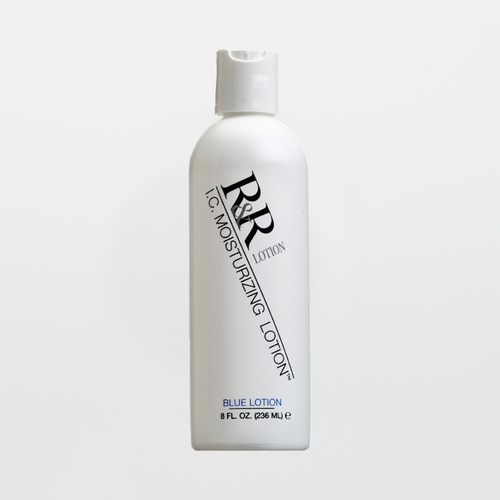
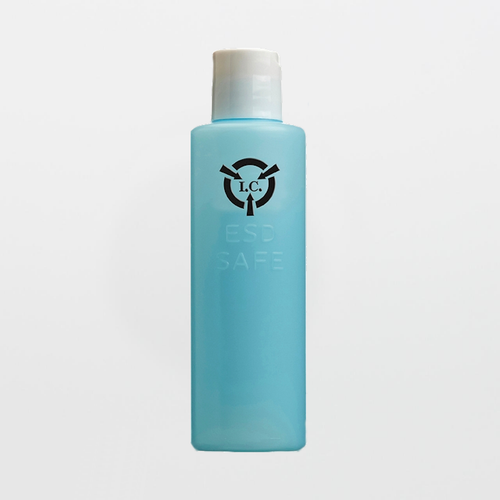
When glove donning fails before you even touch product: controlling skin oils, particle attraction, and recontamination with I.C. Blue Lotion (8 oz)
The Technical Vault | By SOSCleanroom
In controlled environments, “clean hands” is not just a hygiene goal. It is a contamination-control variable. Dry skin sheds more, tears gloves faster, and pushes operators to adjust gloves mid-task — a high-frequency pathway for recontamination. I.C. Blue Lotion (8 oz) is a pre-glove, cleanroom-oriented hand lotion designed to reduce dryness and cracking while staying compatible with typical cleanroom handling realities: frequent washes, repeated glove changes, and the need to keep residues predictable.
Reliability is part of the control plan. SOSCleanroom sources this item with a focus on continuity of supply and documentation discipline so your “skin-conditioning step” does not become an uncontrolled variable during a yield event, excursion investigation, or audit-driven review.
The Operational Problem It Solves
The failure mode is rarely “no one used lotion.” It is technique drift and residue anxiety: operators avoid conditioning because they fear transfer, then skin dries, glove donning becomes aggressive, cuffs tear, and hands go back into glove boxes and dispensers repeatedly. That loop increases:
- Particle load: dry skin sheds and flaking increases particle generation during donning.
- Glove failure rate: cracked skin and rough handling increase tear events and re-gloving frequency.
- Recontamination touches: repeated glove adjustments, box contact, and dispenser contact increase the touch count.
- Static attraction risk: dryness and low humidity environments increase tribocharging; charged surfaces attract particles back into the work zone.
I.C. Blue Lotion is positioned as a cleanroom hand conditioning lotion and is described as non-greasy, no silicones, and low-volatility to support consistent use without turning the lotion step into a residue risk. It is also described as conforming to ANSI/ESD TR20.20-2000 for use in ESD programs (treat this as program-fit guidance and verify against your site’s ESD controls and requirements).
What It’s For
I.C. Blue Lotion is intended as a pre-glove, cleanroom-compatible hand lotion for operators who wash frequently and need to reduce dryness and cracking without leaving a heavy or oily feel. It is commonly used at gowning points, handwash sinks, and pre-entry stations where the goal is to stabilize skin condition and reduce glove donning failures.
Operationally, it fits best when your SOP wants a consistent “skin-conditioning step” without introducing silicone contamination risk into processes that are sensitive to adhesion, coating, or optical film defects.
Decision Drivers (What Buyers Should Care About First)
- Residue-risk posture: described as non-greasy, no silicones, and low-volatility to reduce transfer concerns and encourage consistent use.
- ESD program fit: described as conforming to ANSI/ESD TR20.20-2000; use as one layer in a full ESD control system (grounding, verification routines, humidity management where applicable).
- Operator behavior effect: a lotion that dries reasonably and does not feel oily is more likely to be used consistently, which reduces glove tearing and mid-task glove adjustment.
- Packaging practicality: 8 oz bottles are straightforward for wall stations, benches, carts, and shift handoff points; case quantity supports standardized replenishment.
- Documentation availability: Safety Data Sheet availability supports EHS review and consistent handling/storage expectations.
Materials and Construction: Practical Implications
I.C. Blue Lotion is described by the manufacturer as a water-based lotion. From a practical standpoint, water-based formulations generally reduce the “oily film” feel that drives operator avoidance, but they still require disciplined dry-down timing before gloving to prevent transfer.
The SDS lists a water-dominant composition (DI water) with smaller fractions of common cosmetic/conditioning constituents such as propylene glycol and fatty-acid-derived components. Operationally, that matters because the product is not a solvent-based system and is described as non-flammable; however, it can still create transfer if over-applied or if gloves are donned immediately.
A process-protecting reminder: “cleanroom lotion” does not mean “invisible.” The control is dose + dry-down + placement. Your SOP should define where lotion is allowed, when it is applied (pre-gowning vs. in-area), and how long operators wait before gloving.
Specifications in Context
| Product |
I.C. Blue Lotion |
| Size |
8 oz bottle |
| Color |
Blue |
| SKU |
ICL-8 |
| Sell unit |
Case (24 bottles) |
| Positioning notes |
Described as non-greasy, no silicones, low-volatility, and aligned to ESD program use (ANSI/ESD TR20.20-2000). |
“Spec” matters here because it drives behavior. The practical goal is not “more lotion.” It is repeatable use that reduces shedding and glove failures without creating a residue pathway. If operators avoid the product because it feels greasy or transfers, the step will fail even if the lotion itself is well-designed.
Cleanliness and Performance: What to Watch Operationally
-
Transfer risk is dose-driven: apply a small amount, rub in fully, and allow dry-down before donning gloves. Over-application creates the very “film anxiety” that drives operators to skip the step later.
-
Static attraction is a real mechanism: dry skin and low humidity increase tribocharging and particle attraction. A lotion step can reduce dryness-driven particle shedding, but it does not replace your ESD controls (grounding and verification).
-
Glove compatibility is a process decision: the operational benefit is reduced tearing and fewer re-gloves. If your glove program is extremely residue-sensitive (for example, optics final clean), define where lotion is allowed and where it is prohibited.
-
Skin health is contamination control: cracked skin increases particle shedding and drives additional hand contact events. A conditioning step reduces those triggers when it is used consistently.
Why Packaging, Storage Controls, and Traceability Matter
Lotion is a high-touch consumable. Where you place it and how you manage it determines whether it reduces contamination or creates it. Best practice is a controlled station: bottle stored cleanly, dispensed without touching the nozzle to gloves, and used prior to gloving (not mid-process).
Storage guidance in the SDS includes keeping the product in the original container, protecting it from direct sunlight, and avoiding temperatures above 115°F. Treat storage control as part of consistency — degraded product behavior changes operator compliance and changes transfer risk.
Do not assume country of origin for any lotion or cleanroom consumable. If COO is controlled in your quality system, confirm via documentation tied to the lots you receive.
Best-Practice Use: Make It Repeatable
- Place it at the right control point: pre-gowning handwash area or just before glove donning. Avoid in-process “top-offs” inside critical zones unless your SOP explicitly allows it.
- Define dose: a small amount is the target. Write a simple rule (for example, “pea-sized amount”) and train for full rub-in.
- Require dry-down before gloving: lotion that is still wet transfers. Your SOP should define a minimum dry time appropriate to your process.
- Keep the dispenser clean: do not touch the nozzle to gloves; do not set open bottles on contaminated surfaces; cap when not in use if your station design requires it.
- Use with glove discipline: lotion supports glove donning; it does not replace correct donning technique. Avoid aggressive stretching, fingernail punctures, and repeated adjustment.
- ESD note: treat the lotion as compatible with ESD programs where allowed, but keep your grounding/verification controls as the primary protection layer.
Common Failure Modes—and How to Prevent Them
- Over-application: creates glove interior slickness and transfer risk. Prevent with defined dose and mandatory rub-in.
- Gloving too soon: wet lotion transfers to glove surfaces and can create film. Prevent with defined dry-down time.
- Wrong placement: bottle used in the wrong zone or mid-process. Prevent with station placement rules and training.
- Nozzle contamination: gloves touch the dispenser repeatedly. Prevent with a clean dispensing technique and periodic cleaning per site SOP.
- Assuming lotion replaces ESD controls: ESD safety is system-level. Prevent with ongoing grounding verification and environmental controls.
Closest Alternatives (Selection Logic)
Pre-glove cleanroom lotions in ESD-safe packaging: choose when your program requires a verified ESD-safe container strategy (bottle material/charge behavior) at the point of use.
General industrial lotions: often fail cleanroom programs due to silicone, heavy oils, and unpredictable residue transfer. Use only if your SOP and risk assessment allow it.
Foaming handwash systems: can reduce residue and improve rinse consistency, but they do not address dryness-driven cracking unless paired with a controlled conditioning step.
Where This Fits in a Controlled Contamination Program
I.C. Blue Lotion is a pre-glove conditioning control used to reduce dryness-driven shedding and glove failure events. It should be implemented with clear SOP boundaries: where it is applied, how much, how long to dry, and which processes prohibit lotion use due to residue sensitivity. When treated as a defined control point — not a casual convenience — it reduces touch events, stabilizes glove donning, and lowers recontamination frequency.
Source basis
- SOSCleanroom product page: I.C. Blue Lotion 8 oz (SKU, case quantity, positioning statements including non-greasy/no silicones/low-volatility and ESD program reference).
- Safety Data Sheet: “IC Lotion Blue” (water-based description, composition overview, storage guidance including avoidance of temperatures above 115°F, handling and first-aid notes): ICLotionBlue.pdf.
- Cleanroom program practice basis applied: defined control points (pre-glove), dose + dry-down discipline, contamination risk management (transfer, touch count, glove failure rate), and alignment to site ESD controls where applicable.