I.C. Gallon Pump

$3.86
(No reviews yet)
SKU:
IC-PUMP-GAL
Availability:
7 - 10 Business Days
Shipping:
Calculated at Checkout
Quantity Option (Each):
1 Pump
I.C. Gallon Pump
SKU: IC-PUMP-GAL
Available Quantity Option: Each
Each Unit: 1 Pump

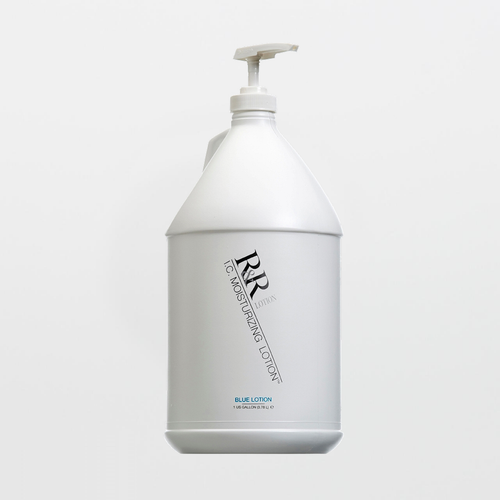
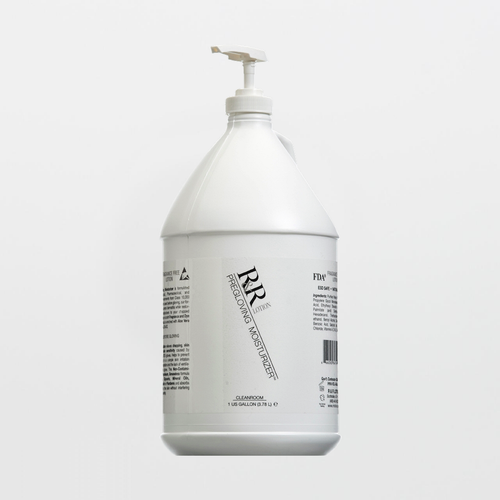
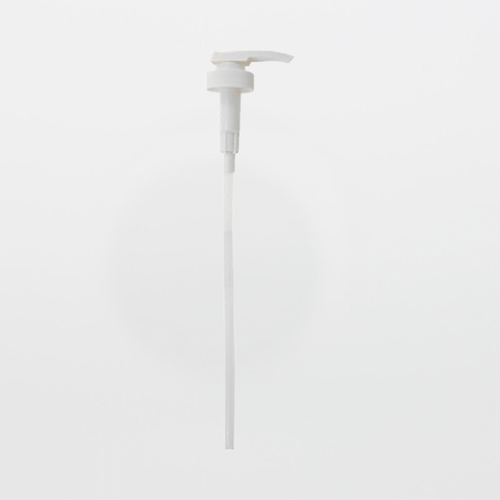
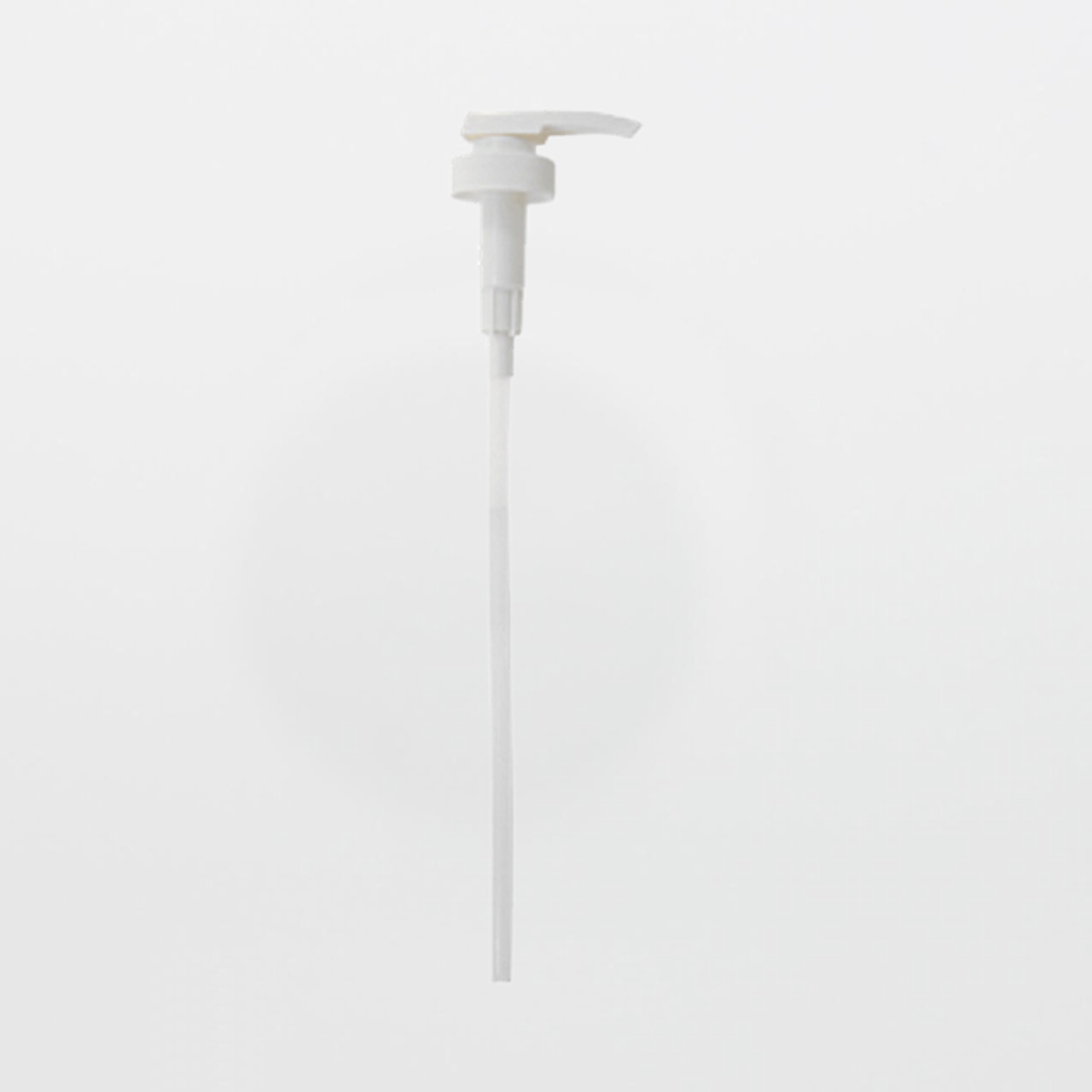
The I.C. Gallon Pump is a simple control tool for dispensing RR Lotion and RR Cleaner products from gallon containers without messy pours or inconsistent “squeeze bottle” dosing. It is designed to fit RR gallon containers and deliver a repeatable dose so operators can keep application volume consistent across shifts.

Each full stroke dispenses approximately 4 cc of product, which is useful for standardizing how much lotion/cleaner is issued to a station, a refill bottle, or a wipe/wiper workflow where over-application can create film, slip risk, or waste.

Dispense volume 4 cc per pump stroke
Compatibility Fits RR Lotion and RR Cleaner gallon containers
Material Plastic pump assembly
The Technical Vault  |  By SOSCleanroom

The $10 control point that prevents a $10,000 mess: using the I.C. Gallon Pump to standardize dosing, reduce waste, and keep lotion/cleaner workflows repeatable

Controlled Dispensing Process Repeatability Waste Reduction

Most “lotion/cleaner problems” are not chemistry problems. They are dose-control problems: an operator free-pours from a gallon, over-applies product, contaminates the bottle neck, or varies the amount enough that the downstream step (wipe-off, dry-down, glove donning, or equipment cleaning) becomes inconsistent. The I.C. Gallon Pump exists to remove that variability by turning a gallon container into a repeatable dispenser.

Operationally, this pump is a process control accessory: it helps standardize how much RR Lotion or RR Cleaner is used per task, reduces spills, and limits “open container” handling that can create housekeeping issues and untracked waste.

What It’s For

The I.C. Gallon Pump is designed to fit RR Lotion and RR Cleaner gallon containers and dispense a consistent metered dose per stroke. Typical use cases include:

  • Controlled issuance of cleanroom lotions at gowning stations or entry points (reduce “too much product” slip/film risk).
  • Cleaner dispensing to refill smaller approved bottles (reduce spills and bottle-neck contamination).
  • Standardized dosing into wipes/wipers workflows where excess product can create residue/transfer.
  • Facilities and maintenance carts where open pouring from gallons is a frequent housekeeping failure mode.

Quick Specs

SKU IC-PUMP-GAL
Unit of measure Each (1 pump)
Dispense rate 4 cc per stroke
Compatibility Fits all gallon containers of RR Lotions and RR Cleaners
Construction Plastic pump assembly
Site handling note Keep pump clean; avoid cross-contact between product types unless your SOP allows shared hardware.

Decision Drivers

  • Metered dosing: 4 cc per stroke makes “how much did we use?” an answerable question.
  • Reduced open-container risk: less free-pouring means fewer spills and fewer chances to contaminate gallon necks/caps.
  • Process repeatability: consistent dose helps stabilize downstream outcomes (dry-down time, wipe-off effort, residue/film risk).
  • Training simplification: easier to write a work instruction around strokes-per-task than around “apply a small amount.”
  • Inventory control: when dosing is consistent, consumption per shift becomes trendable (useful for waste reduction and replenishment planning).

Materials and Construction: Practical Implications

This is a plastic pump designed for RR gallon containers. In practice, the “material science” that matters is not the polymer name — it is how you control the pump as a shared tool: keep the spout clean, prevent product crusting at the outlet, and avoid swapping the same pump between incompatible fluids without an SOP-defined cleaning step.

If your site separates lotions from cleaners, treat pumps as dedicated hardware. Cross-use can turn the pump into a contamination transfer mechanism (especially if residues dry inside the outlet).

Best-Practice Use (Operator-Level)

  • Define strokes per task: write “1 stroke per use” or “2 strokes per refill bottle” into the SOP instead of “small amount.”
  • Prevent tip contact: do not touch the spout to gloves, wipe stacks, or bottle lips. Dispense into a clean receiving container.
  • Control staging: keep the gallon/pump in a defined area (tray, secondary containment) to catch drips and simplify cleaning.
  • Cap discipline: if your gallon uses a protective cap/cover for storage, keep it in place when not in use per site practice.
  • Dedicate by chemistry: if you stock multiple RR products, label pumps (or keep them on dedicated gallons) to prevent cross-use.

Common Failure Modes — and How to Prevent Them

  • Over-application: operators “double pump” by habit. Prevent with stroke limits and training tied to film/slip risk.
  • Spout contamination: the outlet touches gloves or bottle rims. Prevent with no-contact dispensing and clean receiving containers.
  • Drip trails / housekeeping issues: pump is left to drip onto shelves. Prevent with a dedicated tray and periodic wipe-down.
  • Cross-chemistry transfer: same pump reused on different product types. Prevent with dedicated pumps or SOP-defined cleaning.
  • “It’s just a pump” complacency: untracked hardware changes during shortages. Prevent with controlled purchasing and consistent sourcing.

Where This Fits in a Controlled Program

Treat the pump as a process control accessory, not a convenience. If you care about repeatability, write dosing into the SOP, keep the pump dedicated to the chemistry, and stage it to avoid uncontrolled drips and contact events. Small controls at the dispensing step often eliminate larger downstream problems — film, rework, inconsistent dry-down, and unpredictable consumption.

Source Basis
  • SOSCleanroom product page: “I.C. Gallon Pump” (SKU IC-PUMP-GAL, unit of measure, and product description stating compatibility with RR gallon containers and 4 cc dispense rate).
  • General controlled-environment handling principles applied: dosing control, no-contact dispensing, chemistry segregation, and housekeeping/secondary containment.