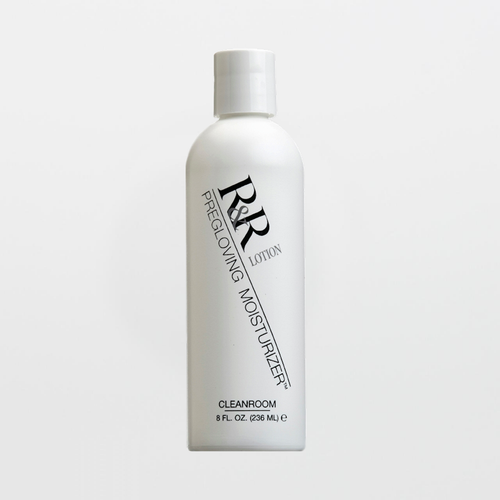
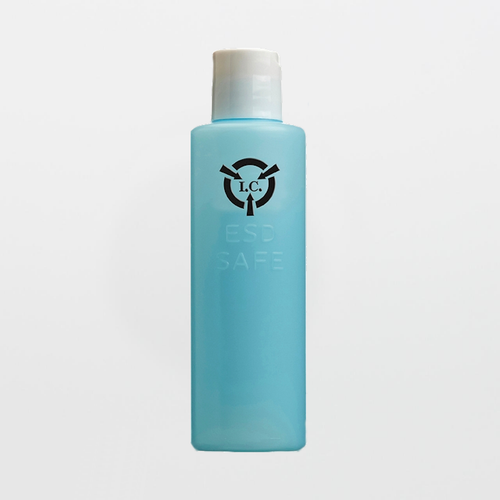
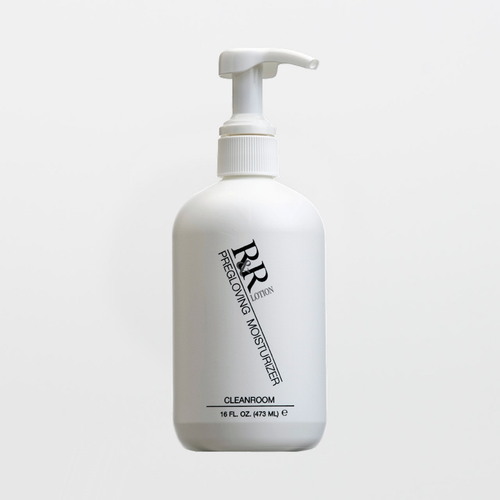
The “pre-glove” step that protects skin without becoming an ESD or residue variable: using I.C. Pre-Glove Cleanroom Lotion (ESD-safe bottle, 8 oz)
The Technical Vault | By SOSCleanroom
In controlled environments, “hand care” is not a comfort add-on. It’s a contamination-control decision. Dry, compromised skin can shed, operators compensate by touching their face or adjusting gloves, and frequent glove changes increase particulate risk and workflow drift. A pre-glove lotion is meant to reduce that downstream risk — but only if it does not introduce its own failure modes (transfer films, compatibility issues with glove materials, or static charging from packaging and pumps).
I.C. Pre-Glove Cleanroom Lotion (8 oz, ESD-safe bottle) is positioned for that exact intersection: protect hands before donning gloves while keeping dispensing and handling aligned to ESD-controlled and contamination-controlled work areas.
The Operational Problem It Solves
The most common glove-room and bench-side failure pattern is not “no lotion.” It is the wrong lotion, applied at the wrong time, at the wrong dose — then trapped under a glove where it can:
- Drive film transfer: excess product migrates to glove exterior during donning or during long wear.
- Increase glove handling errors: over-application reduces grip and encourages re-gloving and re-touching.
- Create ESD workflow noise: non-ESD packaging, pumps, or friction handling can add tribocharging in low humidity.
- Fail the “works on my glove” assumption: not all lotions behave the same under nitrile/latex/vinyl wear time, heat, and sweat load.
Pre-Glove is best treated as a controlled input: defined dose, defined dry-down time, and a defined “apply only in designated locations” rule.
What It’s For
This product is used as a pre-glove skin-conditioning step in controlled environments to help reduce dryness and irritation associated with repeated handwashing, alcohol use, and extended glove wear.
Operationally, it fits best in ESD-controlled microelectronics areas, cleanroom gowning rooms, and bench environments where you want a hand-care step that can be standardized without turning dispensing hardware into an uncontrolled static or contamination contributor.
Decision Drivers
- ESD-safe packaging: reduces tribocharging risk from the bottle/pump during routine dispensing in low-humidity ESD work areas.
- “Under-glove” intent: designed for use before donning gloves, which means dose control and dry-down time are part of the method.
- Transfer discipline: lotion only helps if it does not become a transfer film on glove exteriors, tools, or products.
- Workflow placement: best deployed at defined stations (gowning room / hand-care point), not free-floating across benches.
- Program repeatability: consistent sourcing and consistent operator instructions reduce “random lotion substitution” — a quiet but common drift mechanism.
Materials and Construction: Practical Implications
The key engineering feature here is not a swab head or a wipe substrate — it’s the dispense system and packaging behavior. An ESD-safe bottle reduces a common, avoidable variable: plastic packaging that charges during handling and becomes an uncontrolled ESD contributor near sensitive assemblies.
From a contamination-control standpoint, the practical risk is over-application. Any lotion can become a transfer film if too much is applied or if gloves are donned before the product is allowed to settle. Your control lever is simple: small dose, full rub-in, defined wait time, then glove.
A process-protecting reality check: “cleanroom lotion” is not a license to use lotion anywhere. Treat it like any other controlled input — where it’s allowed, how it’s dispensed, and how the “no residue on glove exterior” expectation is enforced.
Specifications in Context
| Product |
I.C. Pre-Glove Cleanroom Lotion |
| Container |
ESD-safe bottle |
| Size |
8 oz |
| Intended use position |
Pre-glove application (before donning gloves) |
The most important “spec” is operational: dose control. If a lotion is treated like a free-use product rather than a defined step, it will eventually become a transfer and investigation problem.
Cleanliness and Performance: What to Control in Real Use
-
Film transfer risk: the “failure” is lotion migrating to glove exterior, tools, or product contact surfaces. Control with minimal dose and a defined rub-in and dry-down time before gloving.
-
Glove compatibility is method-specific: glove material, thickness, wear time, and heat/sweat load can change feel and performance. Confirm your facility’s approved pairing (lotion + glove type) in the SOP rather than relying on assumptions.
-
ESD control is conditional: ESD-safe packaging reduces one risk layer, but it does not replace grounding, workstation verification, garment compliance, and humidity controls where applicable.
-
Human factors: lotion reduces skin irritation, which can reduce glove-change frequency and unplanned “touch events.” That only becomes a cleanliness advantage if application is controlled and localized to approved stations.
Why Packaging, Traceability, and Placement Matter
In practice, the biggest risk from hand-care products is not the bottle — it’s where the bottle ends up. Keep dispensing at designated points (gowning room, pre-entry station, or a defined bench location) and avoid “travel bottles” that migrate between process zones.
For ESD-controlled areas, maintaining packaging integrity and keeping the bottle clean externally are part of the control plan. Treat the outside of the bottle like any other handled tool: it can collect soils, and those soils can transfer to gloves and surfaces.
Best-Practice Use
- Define where it is allowed: apply only at approved pre-glove stations, not at random benches.
- Use a small dose: enough to condition, not enough to remain glossy or wet.
- Rub in completely: work across fingertips and around nail beds where dryness and cracking often start.
- Wait before gloving: allow a short, consistent dry-down period so the glove interior does not turn into a “wet chamber.”
- Verify glove exterior is clean: if glove donning feels slippery or leaves a visible sheen, you are over-applying.
- Keep ESD discipline intact: continue standard grounding and verification routines; the bottle is not the ESD program.
Common Failure Modes—and How to Prevent Them
- Over-application (glove feels slick): reduce dose, enforce rub-in and wait time, and consider “one pump max” rules where applicable.
- Transfer film on tools or product: move application upstream (gowning), and prohibit application inside critical zones.
- Uncontrolled substitutions: lock the lotion SKU in the SOP for ESD and residue-sensitive areas; don’t allow “whatever is in stock.”
- Assuming ESD-safe packaging replaces ESD controls: keep grounding and verification routines; treat packaging as a risk-reduction layer only.
Closest Competitors
ESD-positioned cleanroom lotions from other cleanroom skin-care programs
Compare packaging (ESD-safe bottle strategy), residue-transfer risk, and how well the product supports controlled-dose application in your SOP.
General industrial lotions (not recommended for critical zones)
Often higher risk for transfer films and inconsistent behavior under gloves. Use only if your quality system explicitly approves them for the zone and the method.
Where This Fits in a Controlled Program
I.C. Pre-Glove (ESD-safe bottle, 8 oz) is best deployed as a standardized pre-glove step in ESD-controlled and clean-controlled workflows. It should sit upstream of critical operations: apply at designated stations, allow consistent dry-down, then glove and enter the process area. When used that way, it supports both operator comfort and contamination control by reducing avoidable glove-change churn and “touch events” — without turning packaging into an ESD wildcard.
Source basis
- SOSCleanroom product page: I.C. Pre-Glove Cleanroom Lotion in ESD-safe bottle (8 oz) (positioning and product format).
- ESD program practice context: workstation grounding, verification routines, and low-humidity risk posture (system-level controls).
- Cleanroom handling practice context: controlled dispensing, zone placement, and transfer-film prevention (operator-level controls).