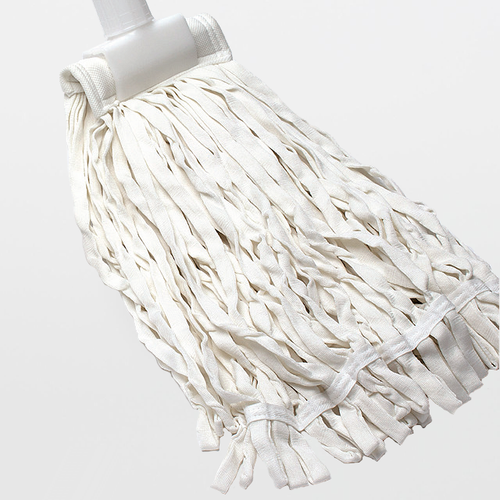
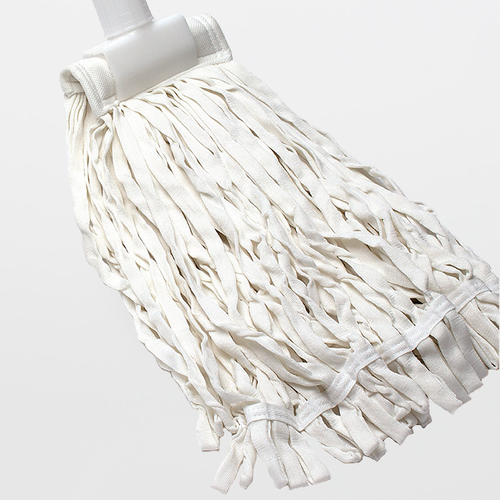
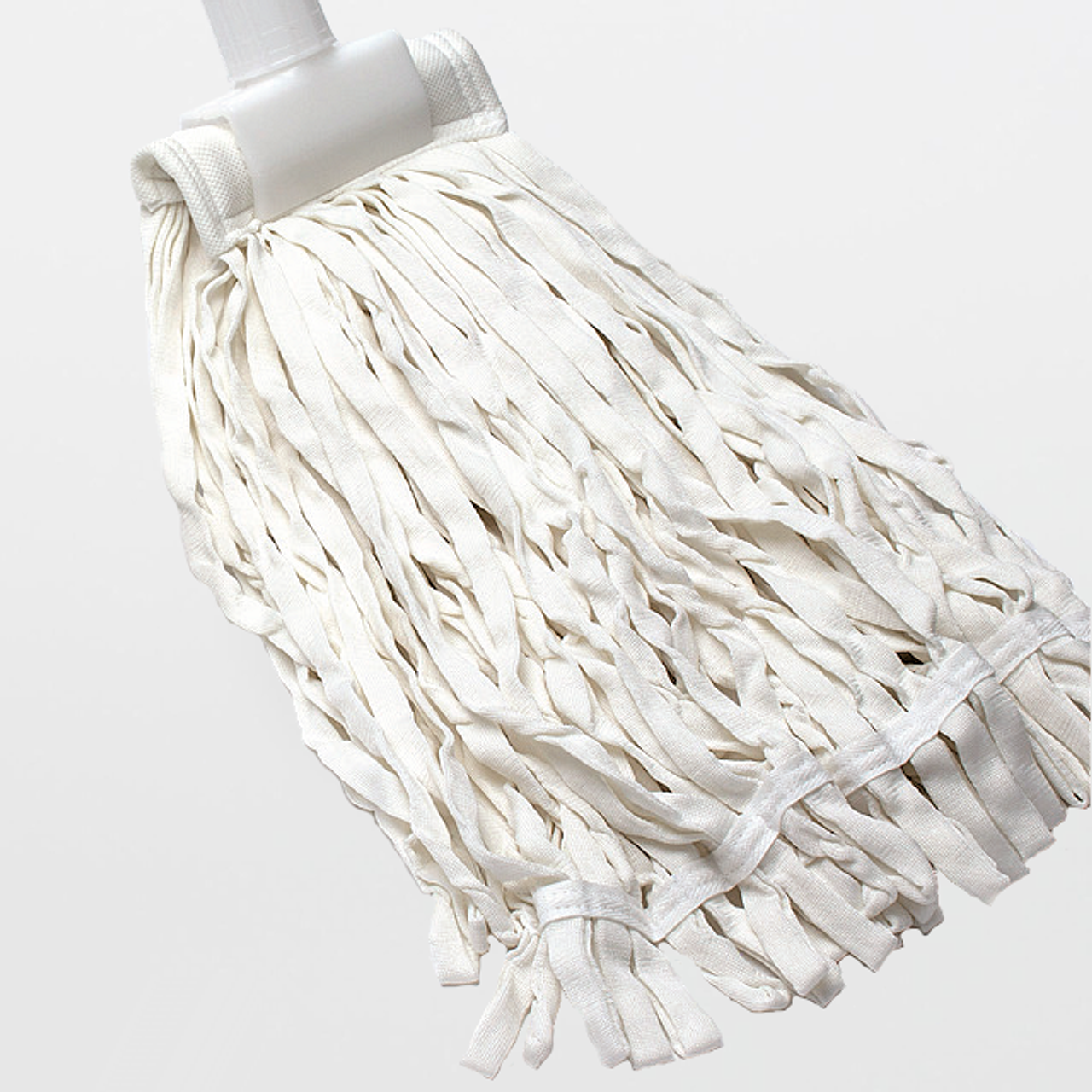
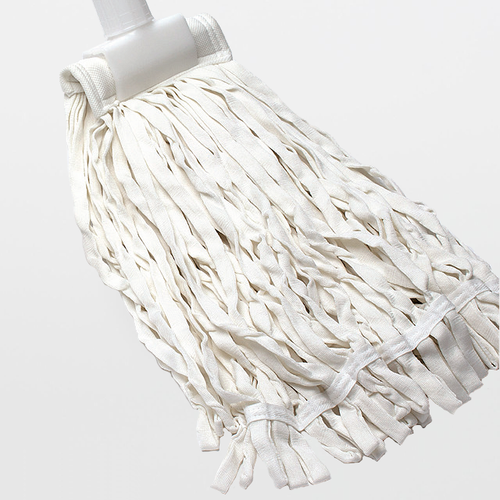
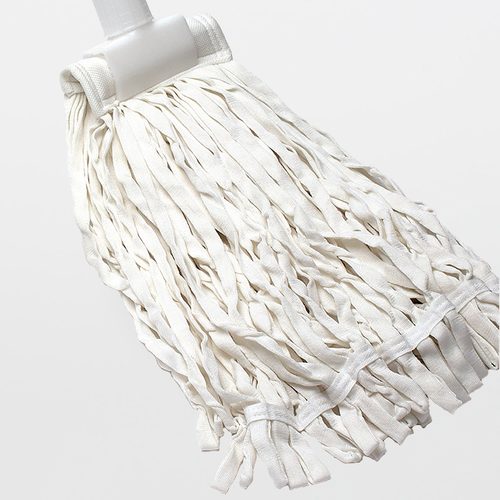
Texwipe TX7070 BetaMop® Microdenier String Refill Heads — Tubular Knit, Non-Sterile (Case of 6)
TX7070 is a microdenier, 100% polyester string mop head refill engineered for controlled-environment floor cleaning where streak-free results and high particle pickup matter (pharma, biologics, medical device, microelectronics, and semiconductor programs). The microdenier knit is designed to increase lifting and capture of small particles and support repeatable solution application/removal in critical environments.
For over 35 years, SOS and Texwipe have been close partners, and SOSCleanroom is the authorized Master Distributor of ITW Texwipe for the United States market. That relationship matters for cleanroom mopping programs: it supports continuity of supply, stable product lineage, and fast access to manufacturer documentation for qualification, change control, and audit readiness.
Published configuration (TX7070)
- Product type: String refill head (dry mop head refill)
- Construction: Knitted, tubular microdenier, 100% polyester
- Sterility: Non-sterile (sterile option is available as STX7070 when required by the program)
- Packaging: 6 heads/case; double-bagged (as published for the non-sterile refill)
- Solution capacity (typical): 1.8 liters/head
- Recommended cleanroom use: ISO Class 3–7; EU Grade A–D (sterile is typically recommended for EU Grade A–B programs)
- Compatibility: Compatible with most disinfectants (as published)
- Autoclave: Autoclave safe (as published)
Low contamination control depends on technique, not just materials
A microdenier polyester knit can help improve pickup and reduce streaking, but performance in critical environments is driven by handling discipline: controlled wetting, two-bucket logic (where required), defined pass patterns, and strict change-out rules. Treat mop heads as contamination-controlled components.
Practical cleanroom use guidance (technicians and engineers)
- Pre-wet consistency: Standardize the load (target wet pickup) so each head delivers the same film thickness. Over-wetting is a common root cause of residues and streaking.
- Pass pattern discipline: Use defined, overlapping passes and a consistent direction to avoid re-depositing fines. Do not “scrub” in place unless the SOP calls for it (scrubbing increases abrasion risk and can mobilize debris from floor coatings).
- Edge control: Keep the head face flat to the floor; avoid rolling the head onto its side where higher fiber contact can smear soils and push liquid into seams/edges of flooring.
- Two-bucket logic (when used): Rinse/wring in the dirty bucket first, then recharge in the clean bucket. This reduces carryover and helps keep disinfectant concentration closer to target.
- Change-out triggers: Replace the head when it becomes visibly loaded, begins streaking, loses wetting uniformity, or after the time/area limit defined by your contamination-control plan.
Key technical attributes (as published)
These items are published characteristics used for planning, qualification, and SOP development. Validate under your site conditions and disinfectant set.
| Attribute |
Published value |
What it means on the floor |
| Material / construction |
Knitted, tubular microdenier, 100% polyester |
Microdenier knit is used to improve pickup of small particles and support streak-free cleaning when wet load and technique are controlled. |
| Capacity (typical) |
1.8 liters/head |
Supports stable solution delivery over a defined area. Use capacity as a planning number; actual delivered film depends on wringing method and floor texture. |
| Packaging |
6 heads/case; non-sterile, double-bagged |
Double-bagging supports controlled introduction and staging outside the clean area without exposing the inner bag until point of use. |
| Cleanroom environment |
ISO Class 3–7; EU Grade A–D |
Appropriate for critical environments when paired with the correct bucket/wringer controls and room-specific technique. |
| Disinfectant compatibility |
Compatible with most disinfectants (as published) |
Helps programs standardize across common chemistries. Always confirm compatibility with your strongest oxidizers and any specialty formulations. |
| Autoclave |
Autoclave safe (as published) |
If your program uses autoclaving, qualify cycle parameters (time/temperature/dry) and define max cycles in the SOP. |
Process control table (for SOP writers)
| Control point |
Recommended practice |
Risk if missed |
| Introduction to clean area |
Keep the inner bag closed until point of use; stage in a designated clean storage location. |
Particulate and residue pickup on the mop head before first use; avoidable contamination events. |
| Wetting / charging |
Standardize dwell time in solution and wring pressure; target repeatable wet pickup across operators and shifts. |
Streaking, residues, disinfectant under-dosing, or excessive pooling that drives slip hazards and corrosion concerns. |
| Area limits / change-out |
Define max area or time per head and enforce a hard replacement rule when loading is visible or performance changes. |
Soil re-deposition, bioburden spread, and inconsistent disinfectant contact time delivery. |
| Reuse / laundering (if permitted) |
If your program rewashes, track cycles by lot/head and set a maximum cycle count; verify cleanliness after laundering. |
Loss of pickup, increased shedding from abrasion, detergent residues, and uncontrolled variability across mop heads. |
Compatibility and solution notes
- Disinfectants: Published as compatible with most disinfectants. Standardize your wet load and wring method to keep concentration and contact time consistent across the floor.
- Residue control: Many “streaking” events are actually chemistry residue plus over-wetting. Tighten wring consistency, then validate rinse steps (if your SOP includes them).
- Autoclave use: If autoclaving is part of your program, qualify the cycle and document the max number of cycles allowed under your process controls.
- DI water / aqueous rinsing: Not published as a specific protocol for this refill. If your SOP requires aqueous rinse or neutralization, qualify under your site conditions and floor finishes before full rollout.
Common failure modes
- Streaking / filming: Typically from inconsistent wringing, over-wetting, or chemistry residue. Prevent with wet pickup targets, standardized wring pressure, and defined pass patterns.
- Cross-contamination carryover: Dirty-bucket drift, wrong bucket order, or extending head life beyond limits. Prevent with two-bucket discipline (where used) and hard change-out rules.
- Particle re-deposition: Caused by using a loaded head past its effective capacity or reusing heads without validated laundering controls. Prevent with area/time limits and documented reuse limits.
- Head damage / shedding risk: Abrasion against floor damage, sharp debris, or aggressive scrubbing. Prevent by removing sharp debris first and using the correct tool for stuck soils.
- Residue transfer to critical zones: Mop head touches carts, wheels, or dirty staging areas between passes. Prevent with defined staging zones and “clean side/dirty side” handling.
Storage and handling best practices
- Keep refills in original packaging until point of use; open the inner bag only in the controlled area (or per your material transfer SOP).
- Segregate clean and used heads immediately after use (dedicated bags/containers). Do not place used heads on carts or benches.
- If reusing, document cycle counts and laundering conditions; do not exceed the site-approved maximum cycles.
- Store dry, protected from dust and chemical vapors; avoid compressing heads under heavy loads that can deform the knit and change wetting behavior.
Documentation
SOS-hosted Texwipe datasheet (BetaMop® Technical Data Sheet PDF):
Click HereTexwipe manufacturer datasheet (BetaMop™ Series TDS — updated PDF):
Click Here
If you have any questions please email us at Sales@SOSsupply.com or give us a call at (214)340-8574.
Check out our AI ChatBot powered by SOSCleanroom data libraries - give it a try!
THIS IS NEW FOR 2026!
Last updated: January 9, 2026
© 2026 SOS Supply. All rights reserved.