The wipe dispenser that prevents “clean stack” contamination: single-sheet control and ISO 5-ready staging with the Grab-EEZ GE-DISP-SS
The Technical Vault | By SOSCleanroom
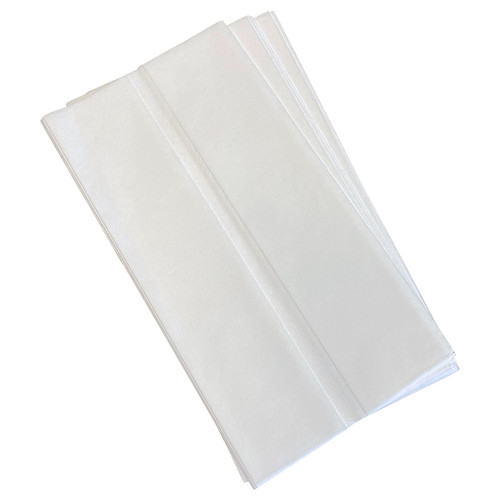
In controlled environments, wipes often fail the process before the wipe ever touches product. The failure mode is handling: an exposed stack on a bench, gloves reaching into the pack, multi-wipe pulls, solvent-wet fingers touching the remaining wipes, or a “wipe station” that quietly becomes a transfer surface between tasks. The Grab-EEZ Cleanroom Stainless Steel Wipe Dispenser (GE-DISP-SS) is built to reduce that risk by enforcing single-sheet dispensing of 9" x 9" C-fold wipes and protecting the remaining stack from repeated contact.
Operationally, this is not a convenience accessory. It is a station control: one wipe, one pull, minimal handling, consistent staging at the bench/cart/pass-through, and a container body designed to withstand routine cleaning chemistry without turning into a porous contamination trap.
What It’s For
GE-DISP-SS is designed to dispense 9" x 9" C-folded wipes one sheet at a time. It supports consistent wipe presentation for benches, carts, gowning/transition points, pass-throughs, and staging areas where wipe retrieval needs to be fast, repeatable, and less vulnerable to glove-contact contamination.
It is positioned for cleanroom use up to ISO Class 5 (Class 100) and described as meeting USP <797> and USP <800> requirements in facility programs where wipe staging and handling discipline are part of the contamination-control plan. Wipes are sold separately.
Decision Drivers
- Single-sheet control: reduces re-contact of the remaining wipes and lowers cross-contamination risk from wet/dirty gloves.
- 316 stainless steel body: smooth, non-porous surface supports routine wipe-down and disinfection without plastic fatigue or cracking.
- Station standardization: consistent wipe presentation at every bench/cart reduces technique drift (no loose stacks, no “open bag” practices).
- Mounting flexibility: usable on a countertop or wall-mounted to keep wipe retrieval natural without reaching over product.
- Loading features: redesigned cover for easier loading; optional plastic shield to protect wipes inside (as published).
- Program fit: strongest value where audits, ISO classification, or USP programs require defensible handling controls and repeatability.
Materials and Construction: Practical Implications
The dispenser is published as Grade 316 stainless steel. In practice, 316 stainless is favored in clean manufacturing because it is durable, corrosion-resistant in many facility chemistries, and non-porous. That makes it easier to integrate into routine cleaning schedules without becoming a “soft” contamination source (cracked plastic, absorbent surfaces, flaking coatings).
The real contamination-control win is handling geometry. A dispenser does not make wipes cleaner — it makes wipe handling more consistent. Single-sheet dispensing reduces glove contact with the stack, lowers the chance of pulling a clump and re-stuffing it, and helps avoid “wipe pack contamination” when gloves are solvent-wet or particulate-loaded.
Note: ESD behavior is not stated for this stainless dispenser on the product page. If the wipe station is inside an ESD-controlled area and grounding/bonding is required, confirm expectations with your ESD program owner and site SOP.
Specifications in Context
Published configuration for GE-DISP-SS:
| SKU |
GE-DISP-SS |
| Material |
316 stainless steel |
| Compatible wipe format |
9" x 9" C-folded wipes |
| External dimensions |
14.5" x 9.75" x 5.75" |
| Mounting |
Countertop or wall mountable |
| Cover / loading features |
Redesigned cover for easier loading; optional plastic shield to protect wipes inside |
| Cleanroom positioning |
Up to ISO Class 5 (Class 100) compatibility |
| USP positioning |
Meets USP <797> and USP <800> requirements (as published) |
| Quantity option |
Each (1 dispenser) |
| Weight / availability (SOSCleanroom listing) |
18.00 lbs; 7–10 business days |
The operational translation: this dispenser standardizes wipe retrieval so the wipe station stops being an uncontrolled variable. That matters most where glove wetness, solvent work, and high-frequency wipe use create repeated opportunities to contaminate an exposed stack.
Cleanliness and Performance: What Matters (and What Doesn’t)
-
This is handling control, not a “cleaner wipe” claim: particle/extractables metrics are not published for the dispenser itself. The dispenser reduces contamination by reducing touch points and stabilizing wipe presentation.
-
Single-sheet discipline prevents the common failure chain: multi-wipe pulls, bunching, re-stuffing, and glove contact inside the pack are the fastest ways to cross-contaminate a wipe supply.
-
Stainless performance depends on your chemistry set: stainless is described as solvent-tolerant and corrosion resistant, but your SOP still matters (contact time, rinse steps where required, residue wipe-off rules).
-
Wipe selection still owns the outcome: if a refill sheds excessively or carries extractables above your residue budget, the dispenser cannot fix that. The dispenser controls handling; wipe media controls particles and residues.
Why Traceability and Station Ownership Matter
For dispensers, traceability is less about sterility and more about repeatability. The station becomes part of the process. When a residue trend shifts or particles appear, you need to answer practical questions quickly: Which wipe media? Which refill lot? Which cleaning chemistry? Who loads the station and how often?
Treat the wipe dispenser like a controlled tool: assign ownership (who loads, who cleans, and the cadence), and define a loading SOP that prevents “contaminating the source” during refill events.
Best-Practice Use (Technician-Ready)
- Place the station deliberately: mount/place where wipe retrieval is natural but does not require reaching over product, open parts, or critical surfaces.
- Load with clean gloves only: loading is where most stack contamination occurs. Keep refills sealed until use and treat loading as a controlled step.
- Enforce one-wipe pulls: pull straight, release the remaining stack immediately, and avoid “bunching” behaviors.
- Keep solvent-wet gloves away from the opening: solvent work is a high-risk transfer pathway into the stack.
- Add the dispenser to your cleaning cadence: the exterior must be wiped down routinely so it does not become a transfer surface between tasks.
- Validate your chemistry set: stainless is robust, but your approved disinfectants and solvents should be qualified for residue, streaking, and contact-time behavior per site SOP.
Common Failure Modes—and How to Prevent Them
- Multi-wipe pulls / bunching: usually angled pulling or overpacked refills. Prevent with correct loading orientation and straight pulls.
- Cross-contamination into the stack: caused by wet/dirty gloves touching inside surfaces. Prevent with clean-glove loading and keeping solvent-wet gloves away from the opening.
- Residue film on the exterior: happens when the dispenser is not included in routine wipe-down. Prevent with a defined cleaning cadence and dry-time discipline.
- Staining/corrosion symptoms: typically chemistry residues left to dry or incompatible contact times. Prevent by following site-approved chemistry and wipe/rinse sequences where required.
- Wrong wipe media for the zone: the dispenser cannot compensate for high-shedding or high-extractables wipes. Prevent by qualifying wipe media for particles/extractables and intended ISO zone.
Closest Competitors
Wall-mounted and counter dispensers from major cleanroom consumable brands
Compare by wipe format support (C-fold vs. Z-fold vs. roll), material (stainless vs. polymer), cleanability, and whether the design truly enforces single-sheet pulls in glove use.
Stainless dispensers designed for ISO 5+ wipe presentation
Category peers should be evaluated on loading ergonomics, exterior cleanability, mounting stability, and how well they prevent glove contact with the remaining wipe stack during retrieval.
Where This Dispenser Fits in a Controlled Cleaning Program
GE-DISP-SS belongs in the wipe-handling control layer of a contamination-control program. Use it to standardize how wipes are staged and pulled, reduce glove contact with wipe inventories, and keep wipe stations consistent across benches and shifts. Pair it with qualified wipe media (particles/extractables appropriate to your ISO zone), defined solvent handling rules, and a documented station cleaning cadence. The goal is simple: when something drifts, the wipe station is not the mystery variable.
Source Basis
- SOSCleanroom product page: Grab-EEZ Cleanroom Stainless Steel Wipe Dispenser for 9-Inch Square Sheets (GE-DISP-SS) (published configuration, dimensions, mounting, ISO/USP positioning, availability, weight, loading feature notes).
- Manufacturer literature referenced on the SOSCleanroom page for material callout (316 stainless), dimensional data, and functional positioning.
- General cleanroom practice basis applied: single-sheet dispensing discipline, clean-glove loading, wipe-station placement, and station exterior wipe-down cadence as contamination-control mechanisms.