A flashlight that protects the process, not just the task: controlling inspection light, signaling, and “no-bottle” handling with the NEBO SLYDE+ (2nd Gen)
The Technical Vault | By SOSCleanroom
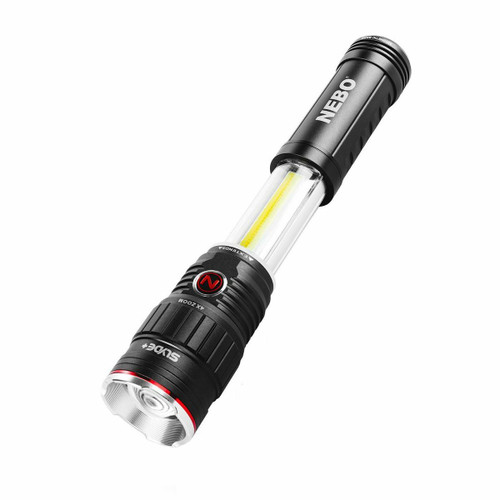
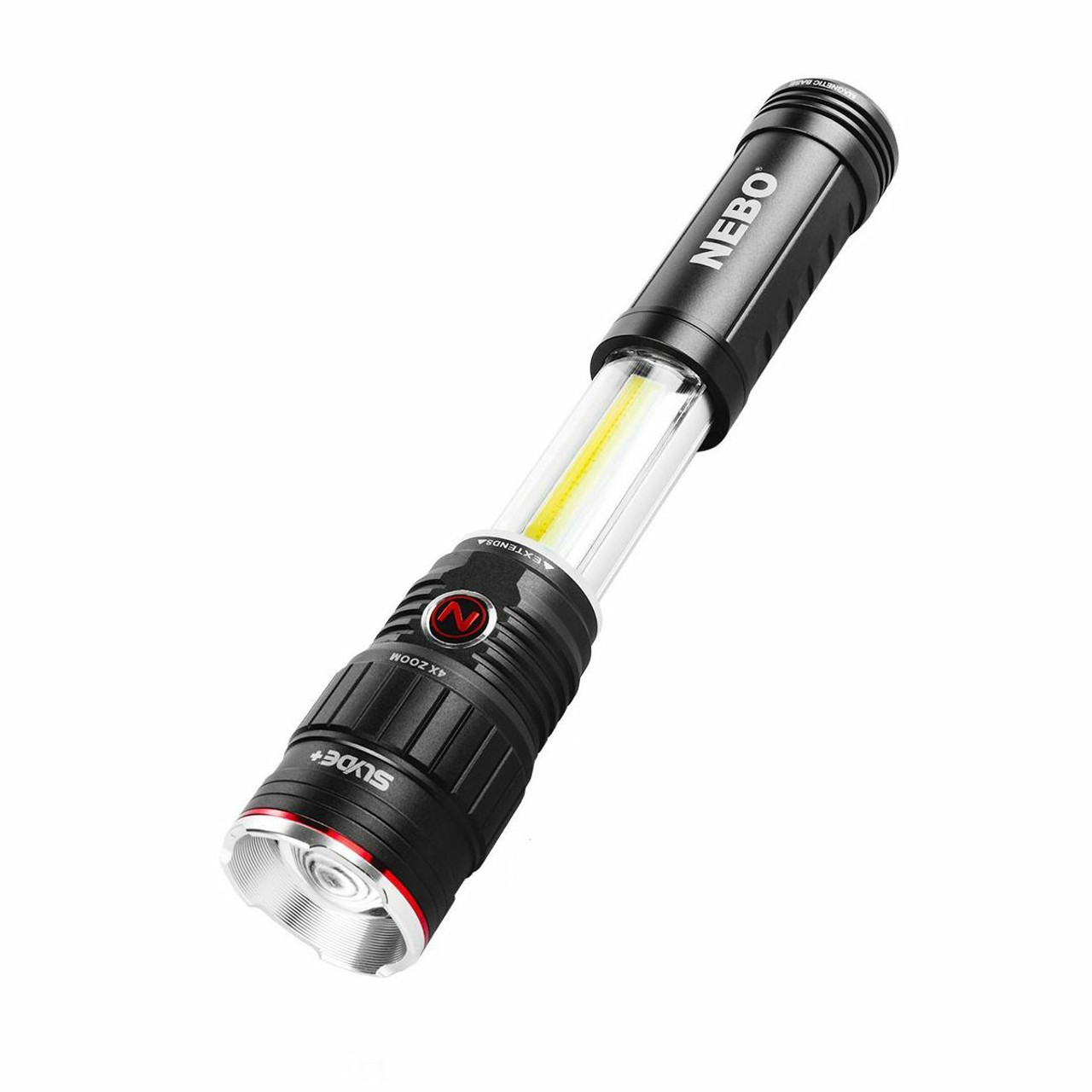
In controlled environments, “flashlight use” is rarely about brightness alone. It’s about repeatable visibility without turning the tool into a contamination or handling risk: quick checks inside cabinets and chases, maintenance in tight equipment bays, inspection under variable lighting, and emergency signaling when power or area lighting is compromised. The NEBO SLYDE+ (2nd Gen) is built around that workflow: a high-output flashlight, a slide-to-reveal work light, a dedicated red mode (including hazard flasher), and controls that allow the operator to get the light they need with fewer uncontrolled steps.
Operationally, it is most valuable when your failure mode is not “we couldn’t see,” but “we over-handled, over-repositioned, or improvised” — the behaviors that create missed defects, inconsistent inspection outcomes, and unnecessary contact with equipment and surfaces.
What It’s For
The SLYDE+ is a dual-purpose light tool for inspection, maintenance, and emergency readiness: a focused-beam flashlight for distance checks, a wide-area work light for close work, and a red light (including hazard flasher) for signaling and low-visibility situations where you want reduced glare and better night adaptation.
It’s a practical fit for maintenance carts, equipment rooms, gowning transition areas, facilities support, and non-aseptic cleanroom support operations where a controlled handheld light reduces the need to reposition fixed lighting or bring larger tools into the work envelope.
Decision Drivers
- Two light architectures in one tool: focused flashlight beam for distance + slide-to-reveal C•O•B work light for broad, close-area coverage.
- Programmable memory settings: supports repeatable “last-used” mode behavior so operators aren’t cycling through modes while hovering over equipment.
- Red light + hazard flasher: practical for emergency signaling, low-glare checks, and communication in low-light conditions.
- Magnetic base: reduces “third-hand” workarounds and limits unnecessary contact with surfaces when hands are needed for the task.
- 4x adjustable zoom + dimming: lets you tighten the spot or broaden the beam while managing glare on reflective stainless, enclosures, and coated surfaces.
- Rugged build intent: anodized aircraft-grade aluminum; weather-proof (IPX4) and impact-resistant for facilities and maintenance realities.
Materials and Construction: Practical Implications
The SLYDE+ uses an anodized aircraft-grade aluminum body with a convex lens and a slide-to-reveal work-light channel. In practice, aluminum construction improves durability and heat management compared with lower-grade plastics, and it tends to tolerate wipe-down handling better in facilities environments.
The design includes fully dimmable output and a direct-to-red feature (hold the button and slide open) so the user can move into red mode quickly without over-cycling. That matters operationally: fewer button presses means fewer moments of accidental glare and fewer “mode hunting” behaviors near sensitive work.
The magnetic base is more than convenience. It’s a control: it reduces the chance the light gets placed on benches, leaned against equipment, or carried in ways that increase contact risk. The trade-off is that magnets attract ferrous debris — so if your environment includes metal fines or grinding residues, the base should be inspected and cleaned as part of staging.
A process-protecting reality check: this is a general-purpose facility tool, not a cleanroom-certified instrument. If you are operating in higher-sensitivity zones, treat it like any external tool: control where it is staged, wipe it down before introduction, and avoid placing it on critical surfaces.
Specifications in Context
The SLYDE+ is sized for real handling control: Compacted length 7.25 in / Extended length 9.5 in; Head diameter 1.625 in / Barrel 1.375 in; weight listed at 0.7 lb. It is powered by 4 AAA batteries (included).
Output and runtime are mode-dependent — which is the right way to interpret it for operations. Maximum output gives fast, high-contrast checks; minimum output supports long-duration tasks without unnecessary glare and battery churn.
| Light mode |
Output |
Runtime |
Beam distance |
| Flashlight (Max) |
400 lumens |
2 hours |
89 meters |
| Flashlight (Min) |
40 lumens |
20 hours |
28 meters |
| Work Light (Max) |
400 lumens |
3.5 hours |
32 meters |
| Work Light (Min) |
40 lumens |
25 hours |
10 meters |
| Red (Max) |
40 lumens |
2 hours |
9 meters |
| Red (Min) |
4 lumens |
8 hours |
4 meters |
| Red Hazard Flasher |
40 lumens |
9 hours |
9 meters |
These published values are practical planning inputs for maintenance and inspection SOPs: define which mode is used for which step (high-output verification vs. low-output sustained work) so output behavior is repeatable across operators and shifts.
Cleanroom-Adjacent Use: What Matters in Practice
-
Glare and false “clean” cues: High-lumen light on reflective stainless can hide films and streaks by washing out contrast. Use dimming intentionally — reduce output for inspection of haze and thin residues, increase output for particulate visibility and shadowing in recesses.
-
Magnet discipline: The magnetic base is a control feature, but it will collect metal fines if they exist in the environment. Inspect and wipe the base before bringing the tool near critical surfaces.
-
Wipe-down readiness: Treat it like a facilities tool. If it enters controlled zones, define wipe-down chemistry and frequency in the station SOP (and avoid saturating seams or switches).
-
Mode standardization: Memory settings and direct-to-red are most valuable when the team agrees on “which mode for which task.” That is how you reduce variability and keep inspection outcomes consistent.
Packaging, Identification, and Bench Control
SOSCleanroom’s listing identifies SKU NEB-WLT-0006 and UPC 645397929857. For facilities and tool-control programs, capture these identifiers in the tool list so the correct model is reordered and “similar-looking replacements” do not change the lighting behavior at the bench.
For controlled areas, treat the SLYDE+ like any non-cleanroom tool: stage it outside the highest-sensitivity zones, define where it can be placed, and avoid setting it on product-contact benches unless the area SOP explicitly allows it.
Best-Practice Use
- Pre-assign modes: define a “default” inspection mode (often low or mid output) and an “exception” mode (maximum) for deep recess checks.
- Use the work light for close tasks: slide-to-reveal work light reduces beam hotspot and improves uniform illumination for hands-on work.
- Exploit the magnet to reduce contact: mount to a stable metal surface instead of laying the tool on benches or leaning it against equipment.
- Control lens contamination: keep the convex lens clean; fingerprints and aerosol films reduce contrast and can create “false haze” during inspection.
- Battery discipline: replace all four AAA cells together; remove batteries for long storage to reduce leak risk in tool cabinets.
Common Failure Modes—and How to Prevent Them
- Over-bright inspection that hides films: prevent by standardizing dimmer output for haze/film checks and using max output selectively.
- Magnet collecting debris: prevent with routine inspection and wipe-down before bringing the tool near product-contact areas.
- Uncontrolled placement on benches: prevent with a defined “parking location” in the station SOP (hook, magnet mount point, or tool shadow board).
- Battery leakage and tool downtime: prevent by removing batteries during extended storage and using a defined replacement interval for high-use stations.
- Mode hunting near equipment: prevent by leveraging memory settings and establishing default modes by task.
Closest Competitors
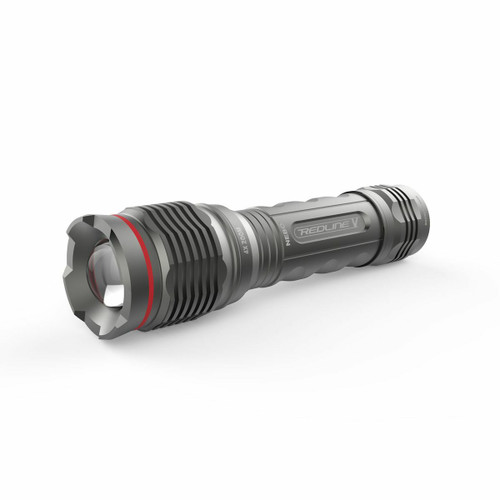
NEBO REDLINE V series (single-beam emphasis)
A strong option when the primary need is a dedicated flashlight beam and compact carry. Choose SLYDE+ when you want the integrated work light and red hazard signaling in one tool.
Streamlight or Coast dual-function work lights
Common alternatives in facilities environments. Compare mode layout (how many clicks to reach the needed mode), magnet/stand behavior, and durability under your actual handling conditions.
Tech-focused inspection lights (higher cost, narrower use)
Useful when the workflow demands specialized illumination geometry or higher ingress protection. For general cleanroom-adjacent maintenance and inspection utility, SLYDE+ typically wins on versatility and fast deployment.
Where This Tool Fits in a Controlled Cleaning Program
The NEBO SLYDE+ (2nd Gen) is a cleanroom-adjacent inspection and maintenance light that helps teams reduce variability in how they see and verify work — especially in recessed features and equipment interiors. Use it to stabilize inspection outcomes, reduce over-handling, and improve readiness during maintenance and off-nominal events. If a zone requires cleanroom-qualified tools, treat SLYDE+ as an external support device and follow the site’s tool-introduction and wipe-down controls.
Source Basis
- SOSCleanroom product page: “Nebo SLYDE+ (2nd Gen) LED Flashlight and Work Light” (SKU NEB-WLT-0006; UPC; light modes; runtimes and beam distances; design/operation notes; batteries; size/weight).
- Operational practice basis applied: inspection repeatability, mode standardization, tool staging discipline, wipe-down control, and contamination-risk reduction in cleanroom-adjacent workflows.