The Technical Vault
Sterile Purified Water · Dilution & Rinse Utility · Documentation & Transfer Discipline · ISO/USP/Annex 1 Mindset
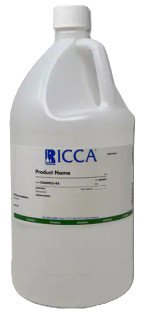
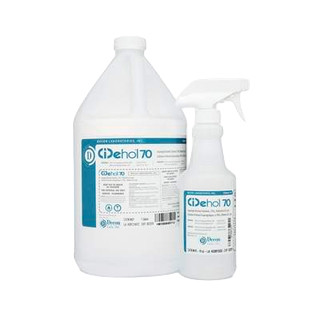
Decon AquaPur™ ST 8904 Sterile Purified Water — 1 Gallon Bottles (4/Case)
AquaPur ST 8904 is sterile purified water positioned for controlled environments that need documented water quality and
clean transfer packaging for tasks such as diluting sterile disinfectants, controlled wipe/rinse steps, and general cleanroom/lab utility use.
The product is produced in a validated water system (deionization, reverse osmosis, UV, ultrafiltration), then filtered through a 0.2 µm filter,
gamma-irradiated, and lot-tested for sterility and endotoxin using USP methods. Each case ships with traceable lot documentation.
At-a-glance (published attributes)
- SKU / Manufacturer catalog no.: 8904
- Solution type: Purified Water
- Sterile: Yes
- Filtration: 0.2 µm filtered
- Sterilization: Gamma-irradiated; sterility assurance level (SAL) 10−6
- Lot testing: USP LAL endotoxin test (lot-tested) + USP 14-day sterility test (lot-tested)
- USP water quality limits (at time of manufacture): Conductivity USP <645> ≤ 1.3 µmhos/cm; TOC USP <643> ≤ 0.5 ppm
- Packaging: Double-bagged for controlled transfer (sterility cannot be assured if bags are not sealed)
- Bottle size: 1 Gallon (3.8 L)
- Case pack: Four (1 Gallon) bottles per case
- Shelf life: 2 years (expiration date on bottle)
1) What sterile purified water is (and why it matters)
Sterile purified water is a “quiet essential” in contamination control. It is commonly used where a procedure requires sterile, documented water to:
(a) dilute sterile disinfectant concentrates to validated strengths, (b) support wipe/rinse steps where residue control matters, and (c) reduce variability
tied to ions/organics/microbes that can appear in non-sterile water sources.
Important boundary (use restrictions)
AquaPur ST is not for parenteral administration and is not for injection, wound irrigation, infusion, or potable use. Use only as defined
by your SOP and risk assessment.
2) Standards alignment (USP, ISO, Annex 1) — educational reference
Regulated cleanrooms are evaluated on process control: written procedures, training, documentation, and repeatable execution. USP <797>
and USP <800> expect cleaning/disinfection activities to be governed by SOPs using appropriate agents and PPE. EU GMP Annex 1 emphasizes
a contamination control strategy (CCS), validated cleaning/disinfection, and disciplined operator behavior. ISO cleanroom operations guidance supports an
operations control program covering personnel practices, cleaning, and material movement.
Key compliance reality: standards don’t mandate a specific brand of water. Facilities must select, qualify, document, and train on the exact
water quality and handling method used in their rooms.
3) Double-bagged packaging is only valuable if your transfer process is disciplined
AquaPur ST’s double-bag packaging supports staged de-bagging and controlled introduction into cleaner areas. However, sterile utility products most often
“fail” in practice due to handling drift: compromised bag seals, uncontrolled staging, missing lot traceability, or decanting into unqualified
containers without documented controls.
Best-practice controls to define in your SOP
- Staged de-bagging: remove outer bag layers in the correct airlock/transition locations per SOP.
- Seal integrity: do not use if outer bags are not sealed or appear compromised; sterility cannot be assured if bags are not sealed.
- Traceability: maintain lot and expiration traceability through receiving, staging, and point-of-use records where required.
- Dispensing discipline: if transferring into smaller bottles, use only qualified containers and defined labeling/change-out rules; avoid “top-off” behavior unless validated.
- Point-of-use boundaries: define what happens after a bottle exits a classified area (return rules vs. discard rules) and how exterior contamination is managed.
4) Common validated use cases
- Dilution of sterile disinfectants: where SOP requires sterile water and lot documentation to defend cleaning records.
- Wipe/rinse residue control: final wipe or rinse step after detergents/sporicides where residue or spotting is a concern (per SOP).
- Cleanroom utility steps: controlled wetting and rinsing tasks where non-sterile water introduces unnecessary risk.
5) System pairings (to build a complete, disciplined process)
AquaPur ST is typically paired with sterile, low-linting consumables and an appropriate PPE barrier system. Final selection must match your ISO class,
task risk profile, and your SOP validation.
6) Why teams standardize the 1-gallon sterile-water format
- Throughput: supports high-usage dilution/rinse work without constant small-container change-outs.
- Program consistency: reduces variability versus ad hoc water sourcing when SOP expects controlled quality attributes.
- Audit readiness: lot documentation + published limits support receiving/qualification and investigation workflows.
- Transfer control: double-bag packaging supports controlled introduction when used correctly.
Disclaimer: This Technical Vault content is provided for educational and reference purposes only. It does not constitute regulatory, quality,
engineering, environmental health & safety, or legal advice. Water quality requirements, dilution ratios, transfer/dispensing controls, labeling,
contact times (when applicable), wipe/rinse techniques, PPE requirements, and all related procedures must be defined, validated, and documented by the end user
in accordance with internal SOPs, risk assessments, and applicable standards and regulations. Always follow manufacturer instructions and the current SDS/TDS.
© 2026 SOS Supply. All rights reserved.