The Technical Vault
By SOSCleanroom
KIMTECH PURE* A5
Sterile Coverall
ISO Class 5+ Positioning
CLEAN-DON* Donning Cues
Triple-Bag + Vacuum Pack
25/Case
KIMTECH PURE* A5 Sterile Cleanroom Coveralls — why “donning technique” is as important as garment choice
Why ISO cleanroom standards come first
Cleanrooms are classified by airborne particle concentration under ISO standards.
ISO 14644-1 defines classification of air cleanliness by particle concentration (cleanrooms and clean zones), providing the baseline context for why personnel behavior and gowning are controlled so tightly.
ISO 14644-5 then addresses operations — including personnel management, entry/exit, training, and a gowning programme — because “people” are typically the dominant contamination source in most controlled environments.
What this product is (manufacturer-stated)
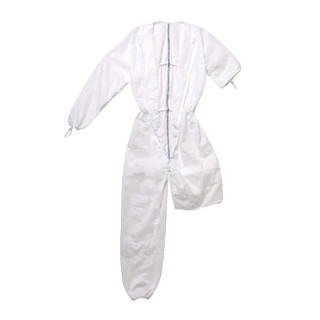
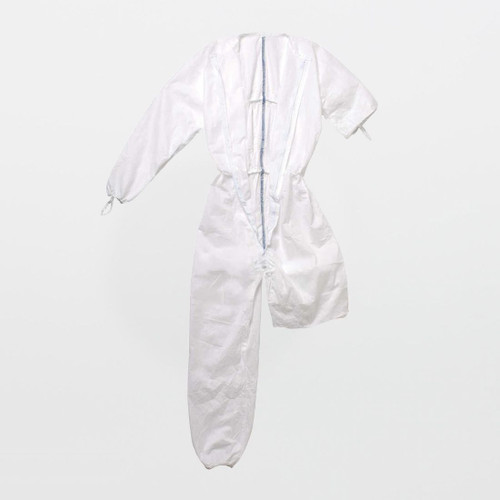
KIMTECH PURE* A5 Sterile Cleanroom Coveralls are single-use sterile coveralls constructed from breathable SMS polypropylene and positioned by the manufacturer for ISO Class 5 or higher cleanroom use.
The garment is supplied triple-bagged and vacuum packaged with a sterility indicator and an expiration date (5-year shelf life).
The coverall design includes bound seams, REFLEX* design, tunneled elastic waist, elastic wrists/ankles, zipper closure with flap, and built-in thumb loops.
CLEAN-DON* Technology is intended to help reduce contamination risk during donning by minimizing the chance of touching the outside of the garment or allowing the garment to contact the floor.
Where sterile coveralls matter most
- ISO Class 5+ cleanrooms where sterile apparel is specified by SOP for critical operations or cleanroom entry.
- Aseptic processing support activities where personnel are a primary contamination vector and sterile apparel is used to reduce risk.
- High-sensitivity assembly, inspection, packaging, and staging where full-body coverage reduces particle escape paths.
- Programs requiring sterility indicators, expiration dating, and documentable sterile packaging controls.
Specifications in context (what QA typically cares about)
| Attribute |
KIMTECH PURE* A5 Sterile Coveralls |
| Fabric |
Breathable SMS polypropylene (100% polypropylene) |
| Recommended environment |
Positioned for ISO Class 5 or higher cleanrooms |
| Packaging controls |
Triple-bagged; vacuum packaged; sterility indicator |
| Shelf life / dating |
Expiration date shown; 5-year shelf life (manufacturer stated) |
| Donning risk controls |
CLEAN-DON* cues: inside-out fold + internal handling cue; snaps help reduce floor contact; thumb loops reduce sleeve rollback |
| Case pack |
25/Case |
| Compliance (stated) |
CE Category III — Type 5/6 (manufacturer stated) |
| Documentation pathway |
Manufacturer references online access to CoC and Certificate of Irradiation for sterile apparel program |
Donning education (ISO-driven hygiene discipline)
ISO cleanroom operations emphasize controlled entry/exit, training, and a gowning programme because contamination is often introduced by people.
The goal of gowning is not “looking covered” — it is preventing particle and microbial shedding from hair, skin, and clothing into the controlled airflow environment.
In practice, the highest-risk moments are: opening the garment, stepping in, pulling arms through, and zipping — because the outside can be touched and the garment can contact the floor.
Manufacturer CLEAN-DON* sequence (coveralls) — simplified, step-by-step
- Pre-entry: remove jewelry and cosmetics; don hair net and shoe covers.
- Hand hygiene + first sterile gloves: wash hands and don the first pair of sterile gloves (sanitize gloves during gowning if your SOP requires).
- Mask + hood: apply mask and hood, assuring a snug fit.
- Open vacuum pack: tear at the notched edge; do not drag the garment across non-controlled surfaces.
- Hold the internal cue: grasp the blue indicator line located on the inside middle back.
- Unfold correctly: gently unfold using the blue line; garment is already folded inside-out and unzipped; arms/legs are pre-drawn and snapped in place.
- Legs first: hold garment at waist; insert one leg and point toe through opening until snap releases; repeat for the other leg.
- Arms next: insert one arm and extend until snap releases; repeat for the other arm; slip thumbs through thumb loops.
- Zip closure: cross legs and zip up the coverall; ensure zipper flap is seated per SOP.
- Finish gowning: add boot covers; complete with goggles and a second pair of sterile gloves (if required by SOP).
EU GMP Annex 1 overlay (sterile manufacturing expectations)
If your operation is aligned to EU GMP Annex 1 (sterile medicinal products), gowning expectations become more explicit and more conservative than many general cleanroom programs.
Annex 1 specifies that gowning and hand washing must follow a written procedure, and it details grade-dependent clothing elements and integrity controls.
For Grade B (background to Grade A), Annex 1 calls for items including sterilized head coverings, face masks, sterilized one-piece suits, sterilized boots/overshoes, and sterilized gloves, with attention to garment integrity and glove change practices.
Annex 1 practical takeaways (selected concepts)
- Maintain written gowning/hand washing procedures and train to them.
- Use grade-appropriate garments that minimize shedding and prevent ingress of contaminants.
- Check garment integrity before/after use and manage reuse/change frequency per risk-based approach (where allowed).
- Change sterile gloves regularly and manage disinfection/sanitization steps per procedure.
Common failure modes (and how to reduce them)
- Outside-touch events: re-train to “hold only the internal cue” and use thumb loops instead of grabbing exterior sleeves.
- Floor contact during donning: slow down; use the snap-assisted leg/arm expansion sequence; do not “shake out” the garment.
- Incomplete closure: confirm zipper fully seated and flap positioned; treat closure as a contamination gap if not secured.
- Glove strategy mismatch: align glove sanitization/double-glove sequence to SOP and Annex 1 expectations where applicable.
- Fit issues: too tight increases tear risk; too loose increases snag/floor contact risk; use size guide for qualification.
Closest competitor set (how to compare fairly)
Compare sterile coveralls by: sterile packaging discipline (vacuum + multi-layer bags), documented shelf life/expiration labeling, donning risk controls (inside-out fold + handling cue),
and documentation availability (CoC / irradiation certificate access). “Sterile coverall” is not a commodity category once audits and aseptic behaviors are considered.
SOSCleanroom note about SOP’s
The Technical Vault is written to help customers make informed contamination-control decisions and improve day-to-day handling technique.
It is not your facility’s Standard Operating Procedure (SOP), batch record, or validation protocol.
Customers are responsible for establishing, training, and enforcing SOPs that fit their specific risks, cleanroom classification, regulatory obligations, and quality system.
Always confirm material suitability, sterility requirements, gowning order, glove strategy, and acceptance criteria using your internal documentation and qualified methods.
If you need additional information please try our SOSCleanroom specific AI ChatBot which draws from our extensive cleanroom specific libraries.
Source basis
- SOSCleanroom product page (KIMTECH PURE A5 sterile coveralls): https://www.soscleanroom.com/product/2-7-export/kimberly-clark-kimtech-pure-a5-sterile-cleanroom-coveralls/
- Manufacturer TDS (A5 Cleanroom Sterile Apparel — Coveralls): https://www.soscleanroom.com/content/Kimberly_Clark_PDF/A5%20Sterile%20Apparel/Coveralls/A5%20Cleanroom%20Sterile%20Apparel%20TDS.pdf
- Manufacturer Donning Poster (CLEAN-DON Technology): https://www.soscleanroom.com/content/Kimberly_Clark_PDF/A5%20Sterile%20Apparel/Coveralls/A5%20Donning%20Poster.pdf
- Manufacturer Size Guide (A5 Coveralls): https://www.soscleanroom.com/content/Kimberly_Clark_PDF/A5%20Sterile%20Apparel/Coveralls/A5%20Sterile%20Apparel-%20Coveralls%20Size%20Guide.pdf
- Kimtech apparel catalog (cleanroom classification table + gowning feature overview): https://www.soscleanroom.com/content/Kimberly_Clark_PDF/A5%20Sterile%20Apparel/Coveralls/Scientific%20Apparel%20Catalog.pdf
- ISO 14644-1 (classification context): https://www.iso.org/standard/53394.html
- ISO 14644-5 (operations / gowning programme context): https://www.iso.org/standard/88599.html
- EU GMP Annex 1 (sterile manufacture gowning expectations): official EU publication source
SOSCleanroom is the source for this Technical Vault entry.
Briefed and approved by the SOSCleanroom (SOS) staff.
If you have any questions please email us at Sales@SOSsupply.com
If you need additional information please try our SOSCleanroom specific AI ChatBot which draws from our extensive cleanroom specific libraries.
Last reviewed: Jan. 13, 2026
© 2026 SOSCleanroom