Ansell Waterproof Gloves Ringers R075 PVC-Coated Long Gauntlet-Style Impact

$864.70
(No reviews yet)
SKU:
R075
Availability:
7 - 10 Business Days
Shipping:
Calculated at Checkout
Quantity Option (Case):
24 Pairs
Inner Packaging:
See Below
Ansell RINGERS® R075
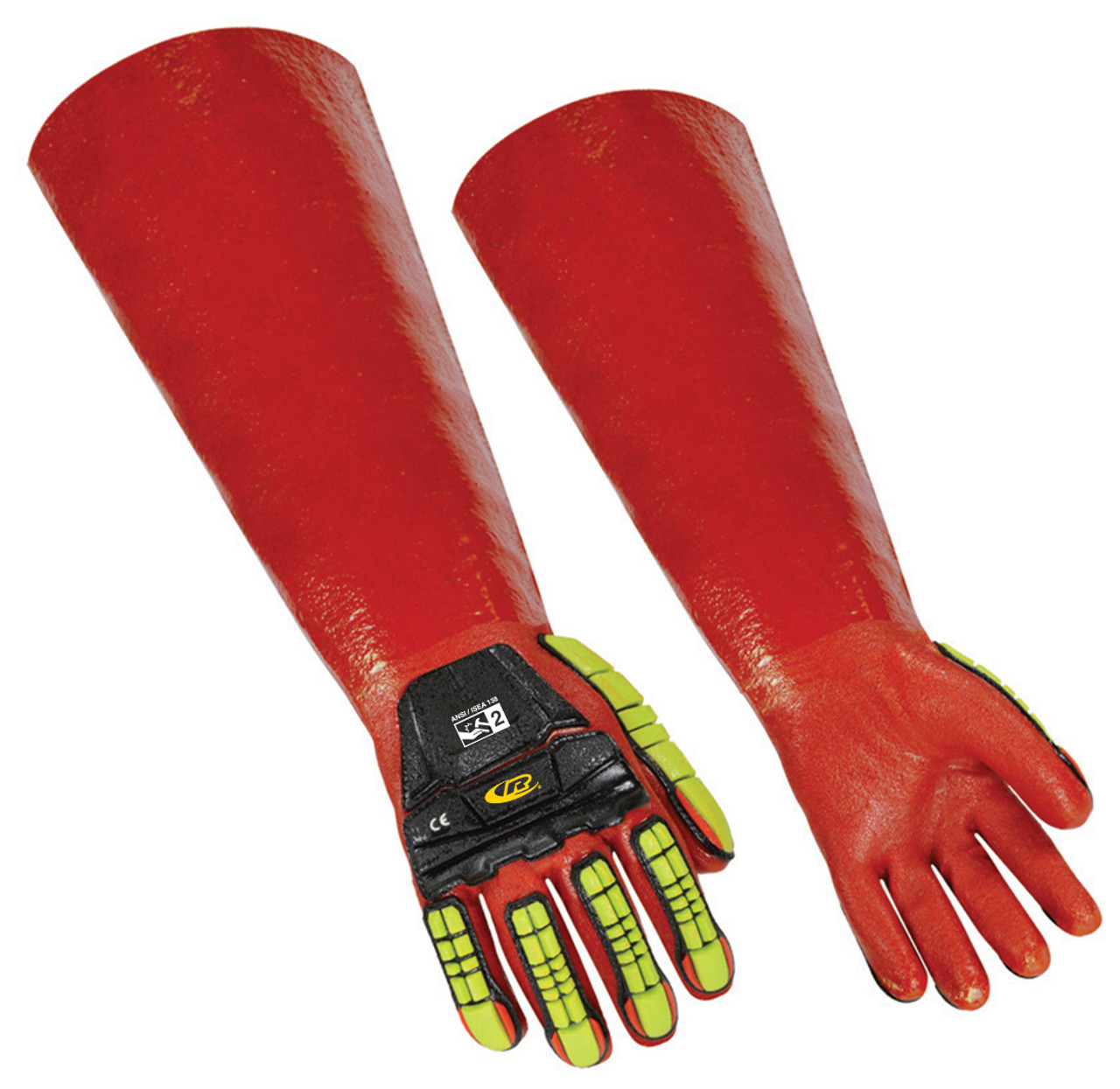
Waterproof PVC-Coated Long Gauntlet Impact Gloves
Chemical + Impact + Cut Utility
TPR impact protection (F3 Technology™) PVC waterproof coating EN 374-1 Type A (chemical) Long gauntlet coverage

RINGERS® R075 is designed for wet, messy, and high-risk tasks where chemical contact, impact hazards, and sharp materials can occur together. It combines waterproof PVC coating with full-finger/top-of-hand impact protection and extended gauntlet coverage to help protect wrists and lower forearm areas.

Common uses
  • Mixing/loading chemicals and spill/leak cleanup
  • Oil & gas: drilling, assembly/completion, hydraulic repair
  • Maintenance and infrastructure maintenance
  • Plating/coating/sealing/painting support tasks
Documented protection (summary)
Chemical: EN 374-1 Type A (see chemical code list in PDS)
Impact: TPR top-of-hand and finger-length coverage
Cut + abrasion: Inner liner supports additional mechanical protection for jagged handling
Heat contact: EN 407 level 1 contact heat resistance (short contact)
The Technical Vault RINGERS® R075 — Managing “stacked hazards” (chemical + impact + sharp)

R075 is designed for jobs where hazards stack: liquid exposure, impact risk from tooling or pinch points, and sharp edges during cleanup or maintenance. In these environments, “single-hazard gloves” often fail because the real task includes multiple exposure modes.

EN ISO 374 Type A: what it tells you (and what it doesn’t)

Type A classification indicates the glove achieved a minimum breakthrough time threshold against multiple standard test chemicals. You still must match your specific chemical (concentration, temperature, mixture) to the tested list and your SDS.

Impact protection: why coverage design matters

Impact injuries often occur across knuckles and finger backs during slips, tool contact, and pinch events. A molded TPR design that extends across fingers and the top-of-hand area helps reduce strike energy reaching the hand.

Operational best practice
  • Define chemical tasks (mixing, transfer, cleanup) and set change-out rules
  • Inspect coating integrity (cuts/tears) before chemical contact tasks
  • Use forearm coverage intentionally—gauntlets are most valuable where splash and drip paths exist
SOS supports customers nationally and can help standardize chemical glove selection around your SDS library and task hazard assessments.