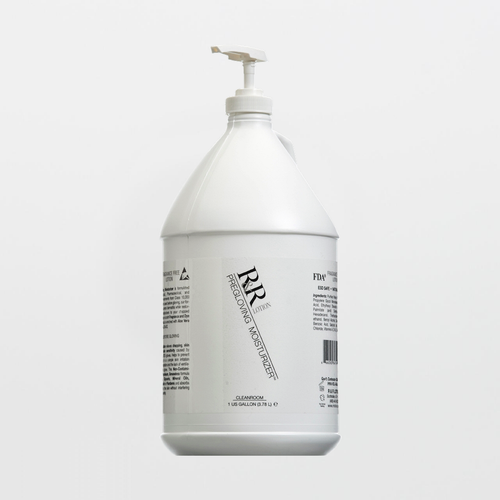
The “invisible contaminant” many programs miss: using I.C. Pre-Glove Cleanroom Lotion (32 oz) to reduce skin-shed risk before gloving
The Technical Vault | By SOSCleanroom
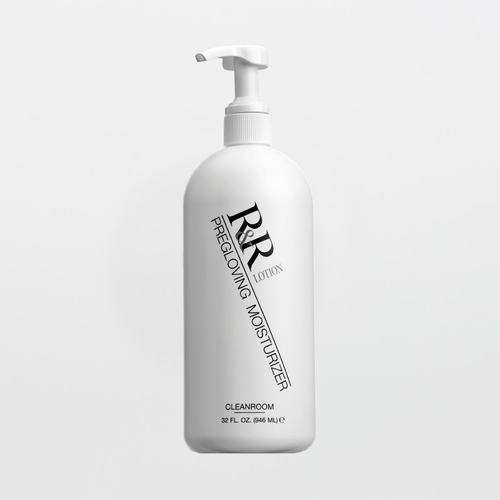
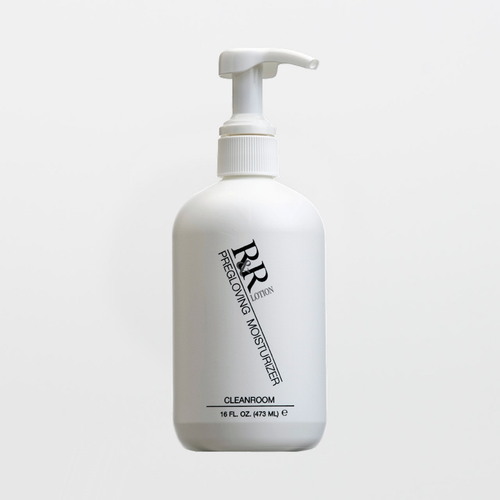
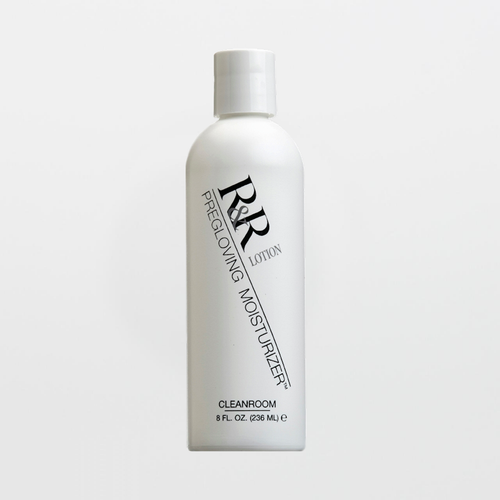
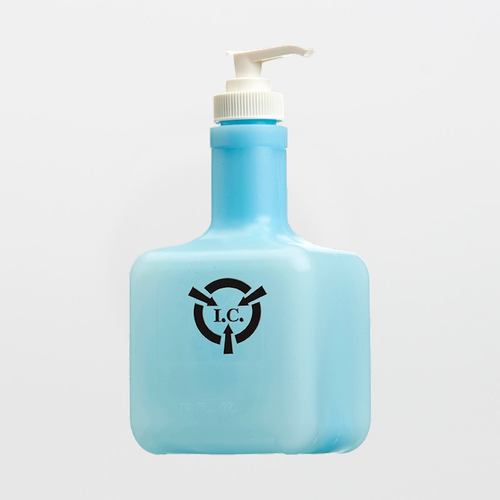
In controlled environments, one of the most persistent particle sources is not a tool, wipe, or garment — it is skin. Dry hands and micro-cracking can increase flaking, discomfort, and “glove friction” behaviors that lead to re-gloving, mid-process adjustments, and incidental contact. I.C. Pre-Glove Cleanroom Lotion (Fragrance & Dye Free) is designed to address that risk at the source: restore comfort and barrier function before gloving, using a formula positioned to be non-contaminating and fast-absorbing.
Reliability is part of the control plan. SOSCleanroom supports consistent supply and documentation access so programs are not forced into unqualified substitutions when skin-care consumables become “out of stock” and operators improvise with off-the-shelf lotions.
The Operational Problem It Solves
Dry skin is a contamination and compliance problem. It can drive:
- Particle contribution from skin shed: flakes and microfragments that become mobile during donning, doffing, and repetitive tasks.
- Technique drift: glove “tugging,” fingertip rolling, or repeated re-gloving because the glove feels tight or abrasive on dry skin.
- Residue anxiety: operators avoid lotions entirely, then overcompensate with more glove changes and more contact events.
- Uncontrolled substitutions: personal lotions introduced into controlled areas, increasing the chance of silicone/oil transfer in sensitive processes.
Pre-glove lotion is not a “comfort add-on” when your program is mature — it is a behavior and contamination control lever.
What It’s For
I.C. Pre-Glove Cleanroom Lotion is intended for use prior to gloving in controlled environments to help reduce dryness-related flaking and improve comfort. The manufacturer positions it as suitable for electronics, cleanroom, pharmaceutical, medical, and food environments, and describes it as meeting cleanroom requirements down to Class 1.
Operationally, it supports stable glove technique: apply, allow to absorb, then glove with fewer “drag” adjustments and less rework-inducing handling.
Decision Drivers (What Buyers Should Care About First)
- Contamination posture: positioned as non-petroleum, non-contaminating, greaseless, and fast-absorbing — the core requirements for pre-glove use.
- Formula exclusions that matter in sensitive builds: the manufacturer states no silicones, lanolins, mineral oils, glycerins, or fragrances (relevant where transfer films are a concern).
- Operator acceptance: fragrance-free and dye-free reduces irritation and “I won’t use it” rejection in multi-shift environments.
- Documentation access: an SDS is available and provides composition and handling guidance for EHS review.
- Packaging format: 32 oz pump supports controlled dispensing at a gowning station or sink area (reduces open-container handling and inconsistent dosing).
Materials and Construction: Practical Implications
The SDS describes the product as a water-based lotion and lists major components including DI water and propylene glycol, with additional constituents such as fatty-acid and emulsifier components at lower percentages. This matters operationally because water-based, fast-absorbing lotions tend to reduce “surface oil” feel that can transfer to gloves and parts.
The manufacturer’s positioning emphasizes a non-greasy finish and “absorbs immediately.” Your SOP should still define dry-down time before donning gloves. Even cleanroom-intended lotions can become a transfer risk if gloves go on while the product remains wet on the skin.
If your process has extremely low transfer-film tolerance (optics, coating adhesion, high-impedance electronics), treat lotion introduction as you would any consumable change: validate with the same inspection endpoint used for release and keep the application method consistent.
Specifications in Context
| SKU |
ICL-32-CR |
| Format |
32 oz bottle with pump |
| Case Pack |
12 bottles per case |
| Positioning |
Fragrance-free; dye-free; non-greasy; non-petroleum; fast-absorbing |
Treat any “meets cleanroom class” statement as an input to qualification planning, not a substitute for site-specific validation. The process risk is transfer and technique drift, so the controls should be procedural: application amount, dry time, and glove-donning steps.
Performance and Risk Interpretation: What Matters Operationally
-
Particle control is often behavioral: improving skin condition can reduce flaking and reduce glove adjustments — two root causes of preventable particle events.
-
Transfer-film risk is timing and dosing: too much lotion or insufficient dry-down time is the dominant failure mode. Your SOP should define “one pump” (or equivalent dose), rub-in duration, and a minimum dry time before gloving.
-
Compatibility depends on the endpoint: optics/coatings and ultra-trace analytical workflows may require a site qualification step (visual haze check, adhesion check, or analytical blanking as appropriate).
-
Change control: treat lotion as a controlled consumable. If the part is validated or the build is sensitive, record the product and lot (where available) the same way you track wipes, gloves, and swabs.
Why Packaging and Program Discipline Matter
The pump format supports controlled dispensing at a gowning station and reduces open-container exposure. Case-pack standardization (12 bottles per case) supports consistent replenishment and reduces the risk of “whatever lotion was available” substitutions.
From an EHS perspective, the SDS provides first-aid, handling/storage, and transport posture for review. Use it to align storage limits (for example, temperature guidance) with facility practice and to document safe handling requirements in the SOP where required.
Best-Practice Use: Pre-Glove Technique That Holds Up on the Floor
- Apply before entering the highest-control zone: use at the sink/gowning stage, not at the bench.
- Standardize dose: define an application amount (for example, one pump per hand) and do not “top off” mid-shift in uncontrolled ways.
- Rub in fully and allow dry-down: gloving over wet lotion increases transfer and can compromise glove donning technique.
- Separate “skin comfort” from “surface cleaning”: do not use lotion as a substitute for hand hygiene or contamination control steps.
- Escalate correctly: if a process is film-sensitive, qualify the product in the actual workflow and tighten controls (dose, dry time, glove-change triggers) rather than banning lotion and accepting technique drift.
Common Failure Modes—and How to Prevent Them
- Over-application: leaves wet residue that transfers to glove surfaces. Prevent with a defined “dose” and rub-in time.
- Insufficient dry time: causes glove slippage and increases touch events. Prevent with a minimum dry-down rule.
- Bench-side use: introduces uncontrolled variables into critical work. Prevent by locating lotion at controlled gowning points only.
- Uncontrolled substitutions: personal lotions introduce unknown silicones/oils/fragrances. Prevent with controlled stocking and training.
Where This Fits in a Controlled Contamination-Control Program
I.C. Pre-Glove Cleanroom Lotion fits in the gowning and personnel contamination-control layer of a program. It is not a replacement for gloves, wipes, or cleaning steps; it is a tool to stabilize operator technique, reduce dryness-driven shedding, and prevent uncontrolled personal-product substitutions. In film-sensitive or validation-sensitive workflows, treat it like any other consumable: qualify once, standardize the method, and keep change control tight.
Source basis
Phone: Or give us a call at (214)340-8574.
If you need additional information please try our SOSCleanroom specific AI ChatBot which draws from our extensive cleanroom specific libraries.
© 2026 SOSCleanroom. All rights reserved.