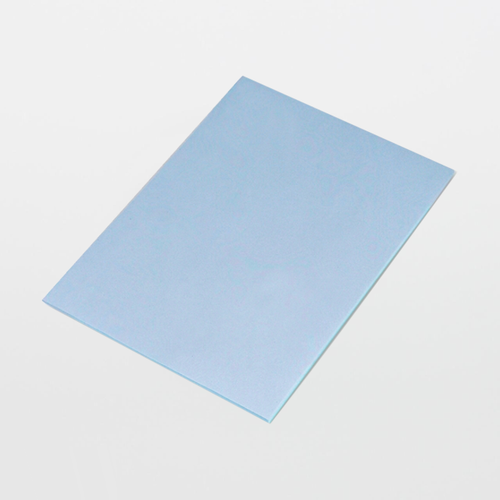
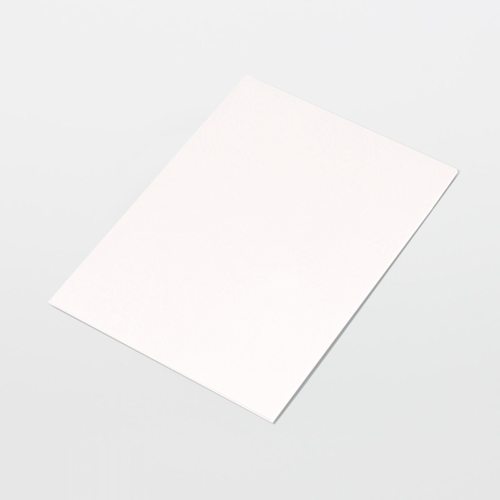
Reference image shown on SOSCleanroom product listing for TX5800.
1) Practical solutions in a critical environment
In many high-sensitivity process areas, “paper” becomes a contamination source long before people notice it. Standard cellulose sheets can shed particles and fibers, smear ink, and create a lamination habit that adds another layer of adhesive risk and handling steps. TX5800 TexWrite MP10 is positioned for documentation needs where the process cannot tolerate cellulose contamination and where teams want consistent print/write performance while keeping documentation physically in the controlled area.
Common real-world uses include: workstation instructions posted at benches (without lamination), equipment manuals staged near tools, line-side checklists, and controlled-area data capture where pages must stay legible during glove handling and routine cleaning activity nearby.
2) What this product is used for
- Writing, printing, and photocopying in controlled environments.
- Workstation instructions where teams want to avoid lamination steps.
- Equipment manuals, job travelers, and line-side checklists.
- A clean, smooth, disposable work surface or separator sheet during assembly or inspection tasks.
- Visual control: blue back / white front to help distinguish controlled-area documentation from conventional paper.
3) Why customers consider this product
- Cellulose-free substrate: selected for operations that explicitly want to avoid cellulose contamination sources.
- Reduced smear and better toner behavior (as described by the manufacturer): supports legibility for batch records, checklists, and line-side instructions.
- Printer compatibility: described as compatible with inkjet, laser, and toner-based printers and photocopiers.
- Low-ESD-potential positioning: manufacturer describes low ESD potential and publishes a typical surface resistivity value (see table below).
- Cleanroom packaged, blue/white visual control: supports receiving segregation and helps prevent “wrong paper” events.
4) Materials, composition, and build
TX5800 is described by Texwipe as a cellulose-free, latex-free, ultraclean 100% synthetic sheet made from Teslin® substrate with a microporous sponge structure. The sheet is white on one side with a distinctive blue coating on the other side.
Practically, this construction is intended to help limit cellulose-related particle/fiber concerns and improve usability: reduced ink/toner issues, better tear resistance, and predictable handling under glove use compared with conventional office paper.
5) Specifications in context
The values below are published as typical characteristics (not specifications). When qualifying documentation materials, many facilities treat these as a starting point, then confirm print performance, handling, and acceptance criteria through internal trials.
| Attribute |
TX5800 (published) |
| Sheet size / color |
8.5" x 11" (21.6 cm x 28 cm), white/blue (blue on one side) |
| Material |
100% synthetic substrate (Teslin®); cellulose-free; latex-free |
| Basis weight (typical) |
172 g/m² |
| Caliper (typical) |
10.0 mil |
| Opacity (typical) |
98% |
| Surface resistivity (typical; at 55% RH) |
6.9 x 10⁸ ohms (test method cited by Texwipe) |
| Printer / copier compatibility (claimed) |
Inkjet, laser, toner-based printers and photocopiers |
| Cleanroom environment guidance (manufacturer stated) |
ISO Class 3–8; Class 1–100,000; EU Grade A–D |
6) Performance and cleanliness considerations
Stationery problems in critical environments usually show up as particles/fibers, ink flake or smear, toner shedding, label residue transfer from taped/laminated sheets, or outgassing/residue from non-controlled materials. TX5800 is designed to address the “paper” portion of that risk by removing cellulose from the substrate and publishing typical contamination and performance characteristics.
| Cleanliness metric (typical) |
Published value |
Why it matters in use |
| Particles (>0.5 µm) |
0.98 million particles/m² |
Useful for comparing documentation materials when particle shedding has historically shown up on optics, wafers, or sensitive assemblies. |
| Typical ions (extractables) |
Sodium: 200 ppm; Chloride: 40 ppm |
Supports ionic contamination discussions in electronics, optics, and certain regulated manufacturing controls (confirm acceptance criteria in your quality system). |
ESD handling note: Texwipe describes TX5800 as having low ESD potential and appropriate for use in ESD-sensitive environments, and publishes a typical surface resistivity value with a referenced test method. The product listing does not claim compliance to a specific ESD control program standard on the SKU page; if your facility requires formal conformance statements, confirm with your ESD program owner and request documentation through Texwipe/SOSCleanroom channels.
Solvent/cleaner behavior: The manufacturer describes strong print properties and water resistance (hydrophobic behavior). Specific resistance to IPA, ethanol, quaternary disinfectants, or other cleaners is not stated in the TX5800 product listing or the referenced datasheets in the source basis. If you intend to wipe down documentation or handle it in splash-prone areas, qualify legibility using your actual process chemicals and gloves.
7) Packaging, sterility, traceability, and country of origin
- Packaging configuration: 100 sheets per ream/pack; 5 reams (packs) per case; 500 sheets per case.
- Packaging statement: described as cleanroom packaged.
- Sterility: not stated as sterile from the manufacturer. The material is described as autoclavable for use in sterile environments; Texwipe also publishes a TechNote on autoclaving cleanroom papers (see source basis).
- Traceability: the SKU listing and datasheets do not state COA/COC details for TX5800. Texwipe maintains certificate programs on its website (some resources require login). If your receiving process requires certificates by lot/date, request the exact documentation package at time of order.
- Country of origin: not published in the listed source basis for TX5800.
8) Best-practice use
Treat documentation materials like any other consumable: control entry, control storage, and control how they are used at the point of work. A practical, audit-friendly approach is to assign TX5800 to the specific “paperless-but-not-fully-paperless” tasks where it prevents recurring deviations (smearing, lamination rework, paper mix-ups).
- Receiving & segregation: keep cases sealed until released by QA/receiving; store separate from conventional office paper. The white/blue format helps make this visual on the floor.
- Print control: designate printers/copiers for controlled-area documentation where possible; keep toner/maintenance events logged so unexplained “specks” can be traced to equipment, not paper.
- Writing instruments: use validated pens/markers for your environment and regulatory expectations. Texwipe notes good ballpoint performance; if your process uses solvents or frequent glove changes, qualify smear resistance and dry time with your chosen instruments.
- Batch record discipline: avoid over-handling and page tearing at the bench. If operators frequently tear pages, consider staging a clean “separator sheet” (one TX5800 sheet) under the active page to reduce abrasion from the work surface.
- Autoclave use: if you plan to autoclave, follow the manufacturer TechNote guidance and run a controlled qualification (legibility, dimensional stability, and any change in sheet feel or curl) before releasing to production.
9) Common failure modes
- Paper mix-up: conventional paper introduced into the controlled area because it “looks close enough.” Prevent with segregated storage, controlled issue, and visual cues (TX5800’s blue back helps).
- Smear/illegibility after exposure: caused by unqualified pens/markers, wet-glove handling, or nearby cleaning activity. Mitigation: qualify inks, define dry-time rules, and avoid placing active records in splash zones.
- Toner shedding or printer-origin particles: can be mistaken for stationery shedding. Mitigation: controlled printer maintenance, drum/toner logs, and test prints during troubleshooting.
- Autoclave surprises: curling, warping, or legibility changes if the autoclave cycle and loading configuration are not qualified. Mitigation: follow the TechNote and validate with your cycle/pack pattern.
- Uncontrolled lamination/taping: adds adhesive and residue risks; it often grows as a workaround. TX5800 is commonly selected specifically to reduce the perceived need for lamination—verify that outcome in your process.
10) Closest competitors
For cellulose-free or enhanced cleanroom documentation materials, buyers typically compare on: substrate type (synthetic vs polymer-reinforced cellulose), published particle/ionic data, printer performance, and whether environmental suitability is explicitly stated. Common alternatives to evaluate (confirm details in each manufacturer’s current datasheets) include:
- Berkshire cleanroom documentation papers (various grades) — often selected when facilities want published cleanliness metrics and controlled packaging.
- Contec cleanroom papers/notebooks — frequently evaluated in regulated facilities for documentation workflows.
- Micronova cleanroom stationery options — commonly used in facilities standardizing multiple controlled-environment consumables under one program.
11) Critical environment fit for this product
TX5800 is explicitly positioned for controlled environments that cannot tolerate cellulose contamination and is listed by the manufacturer for ISO Class 3–8 environments (also referenced as Class 1–100,000 and EU Grade A–D). It is a strong fit when documentation must remain in the area (rather than being rewritten outside), and when facilities want published typical contamination and performance data to support risk-based selection.
Program fit note: If your quality system drives documented receiving inspection for “paper-like” materials (visual checks for edge damage, scuffing, toner transfer risk, and packaging integrity), TX5800’s consistent packaging format (100 sheets per pack; 5 packs per case) supports count-based receiving and controlled issue to production lines.
12) SOSCleanroom note about SOP's
The Technical Vault is written to help customers make informed contamination-control decisions and improve day-to-day handling technique.
It is not your facility’s Standard Operating Procedure (SOP), batch record, or validation protocol.
Customers are responsible for establishing, training, and enforcing SOPs that fit their specific risks, products, equipment, cleanroom classification, and regulatory obligations.
Always confirm material compatibility, cleanliness suitability, sterility requirements, and acceptance criteria using your internal quality system and documented methods.
If you adapt any technique guidance from this entry, treat it as a starting template. Your team should review and approve the final method, then qualify it for your specific surfaces,
solvents, cleanliness limits, inspection methods, and risk profile. In short: use these best-practice suggestions to strengthen your SOPs—not to replace them.
13) Source basis
- SOSCleanroom product page (TX5800): https://www.soscleanroom.com/product/facilities/texwipe-tx5800-texwrite-mp10-white-and-blue-8-5-x-11-ultraclean-documentation-material/
- Manufacturer product page (Texwipe TX5800): https://www.texwipe.com/texwrite-mp-10-tx5800
- Manufacturer Technical Data Sheet (PDF): https://www.texwipe.com/images/uploaded/documents/Paper/TDS_TexWriteMP10_CuR6.pdf
- SOS-hosted legacy datasheet copy (PDF; DS-5800 shows “Effective: December 2009” with a performance data table page labeled “Effective: September 2000”): https://www.soscleanroom.com/content/texwipe_pdf/5800.pdf
- Manufacturer TechNote on autoclaving cleanroom papers (PDF): https://asia.texwipe.com/images/uploaded/documents/Technical-Data/TechNoteAutoclavePaper_CuR1_July%202017.pdf
- Standards/regulatory bodies (contextual references): https://www.iso.org/standard/53394.html, https://www.fda.gov/, https://www.astm.org/, https://www.iest.org/
- Note: Published contamination/performance values are presented by the manufacturer as typical analyses and not specifications.
SOSCleanroom is the source for this Technical Vault entry.
Briefed and approved by the SOSCleanroom (SOS) staff.
If you have any questions please email us at Sales@SOSsupply.com
Or give us a call at (214)340-8574.
Last reviewed: January 8, 2026
© 2026 SOSCleanroom
OR check out the AI ChatBot powered by SOSCleanroom data libraries - give it a try! THIS IS NEW FOR 2026!