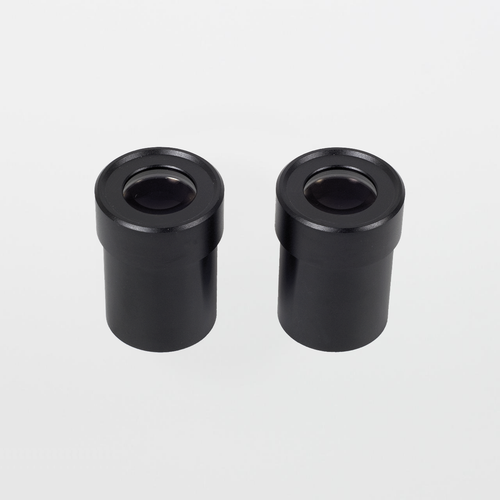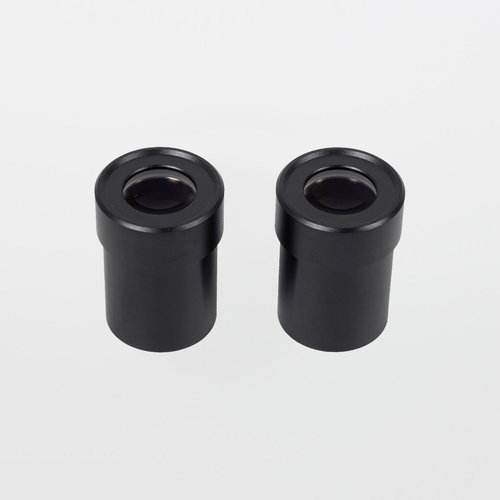
Meiji MA600 Eyeshields for EM Series (Sold in Pairs)

$30.00
(No reviews yet)
SKU:
MA600
Availability:
7 - 10 Business Days
Shipping:
Calculated at Checkout

Meiji MA600 Raised Rubber Eyeshields for EM Series Eyepieces (Sold in Pairs)

The Meiji MA600 is a raised rubber eyeshield/eyeguard set sold as a pair, designed for Meiji’s EM Series stereo microscope eyepiece families (EMZ, EMF, EMT). MA600 is engineered to fit over 30.5mm outer diameter eyepieces and creates a comfortable, protective interface between the user and the eyepiece—ideal for shared microscopes, long inspection sessions, and hygiene-focused benches.

Why this matters in controlled environments: Eyepieces are high-touch surfaces. Adding eyeshields helps reduce direct contact transfer (skin oils and residues) and supports a cleaner, more consistent viewing experience across operators and shifts.

Specifications:
  • Accessory type: Raised rubber eyeshields / eyeguards
  • Sales unit: Sold in pairs
  • Designed to fit: 30.5mm outer diameter eyepieces
  • Raised portion height: 26.0mm
  • Standard perimeter height: 16.0mm
  • Color: Matte black
  • Designed for Meiji eyepiece families: EMZ / EMF / EMT series eyepieces
  • Designed to slip over Meiji eyepiece models: MA501, MA718, MA502, MA520, MA503, MA535, MA504, MA521, MA519
Where MA600 Fits in Cleanrooms and Laboratories (and Why)

MA600 is a practical add-on for shared inspection benches and high-use microscopes where operator comfort and hygiene are operational priorities. The raised profile supports a stable viewing position and helps reduce repeated direct contact with the eyepiece housing—an important control point when multiple users share the same station throughout the day.

Typical program fit: cleanroom inspection benches, electronics rework stations, incoming inspection/QC labs, and any microscope station used across shifts.

In addition to comfort, MA600 can support better inspection repeatability by reducing “viewing drift” caused by fatigue, inconsistent eye placement, and smudged eyepiece surfaces.

MA600 Features:
  • Raised rubber eyeguards sold as a pair
  • Designed for 30.5mm O.D. eyepieces used on EM-series stereo microscopes
  • Raised portion 26.0mm high; perimeter height 16.0mm
  • Acts as a protective interface between user and eyepiece surfaces
  • Designed to slip over common Meiji Super Widefield eyepiece models (see compatibility list above)
MA600 Benefits:
  • Improves comfort on long sessions: supports stable eye placement and reduces fatigue during extended inspection.
  • Supports shared-bench hygiene: helps reduce direct contact transfer to eyepiece surfaces (oils/residues).
  • Better viewing consistency: reduces smudge-related contrast loss and “false defect” artifacts on shared microscopes.
  • Standardizes stations: consistent operator interface across microscopes helps reduce setup variability.
Common Applications:
  • Cleanroom inspection benches and shared microscopes (multi-operator workflows)
  • Electronics inspection and rework stations
  • Medical device component inspection and QA review
  • Laboratory microscopes used continuously across shifts
Optics Cleaning (Recommended for Eyepieces & Shields)

Eyeshields reduce direct contact, but optical surfaces still require controlled cleaning to prevent fibers, haze, and scratches on coated glass. For routine eyepiece cleaning, use optical-grade swabs and specialty low-lint wipers rather than general-purpose wipes.


Link to Meiji MA600 Product Details / Datasheet:
Product Page | Datasheet (PDF)

Related Meiji Eyepieces Available From SOSCleanroom.com

Notes: For best results on shared benches, pair MA600 with a defined optics hygiene SOP (shift change cleaning trigger, approved cleaning tools, and “artifact vs defect” checks).

SOSCleanroom supports microscopy programs with compatible accessories and optical cleaning supplies designed for controlled environments.

Product page updated: Jan. 21, 2026 (SOS Technical Staff)

© 2026 SOS Supply. All rights reserved.

The Technical Vault
By SOSCleanroom
Last reviewed: Jan. 21, 2026 | Audience: contamination control, cleanroom operations, QA/QC, lab managers, manufacturing engineering, EHS
Eyepieces as a High-Touch Risk Point: Why Eyeshields Improve Hygiene and Inspection Consistency
Meiji MA600 — fit control (30.5mm O.D.), EM-series compatibility, and optics-care discipline for shared benches
High-touch interface control Artifact vs defect control Stereo vs compound education
The one-paragraph answer

The Meiji MA600 is a paired set of raised rubber eyeshields designed to fit over 30.5mm outer diameter Meiji EM-series eyepieces. In controlled environments and QC labs, MA600 functions as a practical interface control: it reduces repeated direct contact with eyepiece surfaces, improves operator comfort during long inspections, and helps reduce viewing artifacts caused by smudged optics—particularly on microscopes shared across shifts.

Operational problems MA600 helps address
  • High-touch contamination: oils and residues accumulate on shared eyepieces, reducing contrast and creating inspection artifacts.
  • Inconsistent viewing position: fatigue and poor eye placement increase decision variability during defect classification.
  • Hygiene control on shared benches: direct skin contact increases cleaning frequency needs and can create “mystery smears” across shifts.
  • False defect events: smudges and films can present as defects, driving unnecessary rework or hold decisions.
Microscopy education: stereo vs. compound (engineering comparison)

Stereo microscopes are engineered with two optical paths to provide a true 3D image. They are optimized for inspection and manipulation where depth perception matters (rework, assembly inspection, surface features, edge relief). Because they are frequently adjusted and shared at benches, operator interface parts (eyepieces, cups, shields) directly affect comfort and repeatability.

Compound microscopes typically use a single optical axis optimized for higher magnification analytical viewing (often slide-based) with transmitted illumination. Compound workflows usually emphasize objective selection, condenser/illumination tuning, and sample preparation; operator interface hygiene exists, but the “shared rework bench” use case is less common.

Practical takeaway: Stereo microscope programs benefit from controlling high-touch interfaces because the microscope is used like a “hands-on tool,” not just an analytical instrument.

Fit and compatibility control (prevent station-to-station surprises)

MA600 is intended for eyepieces with a 30.5mm outer diameter and is designed to slip over specific Meiji eyepiece models (MA501, MA718, MA502, MA520, MA503, MA535, MA504, MA521, MA519). For controlled environments, treat the installed eyepiece model as configuration-controlled: document which eyepieces are installed at each station before standardizing accessories across benches.

Receiving check: Confirm your eyepiece O.D. is 30.5mm and verify the installed eyepiece model number(s) prior to rolling MA600 across multiple microscopes.

Optics hygiene discipline (SOP-ready module)

Eyeshields reduce direct contact, but optics care still determines inspection quality. Standardize a simple routine that prevents “artifact-driven” defects and keeps contrast stable. Use optical-grade tools to reduce fiber shedding and scratch risk on coated glass.

Suggested SOP insert (template-style)
  1. At shift change (or daily minimum), inspect eyepiece lenses for films/smudges under controlled lighting.
  2. Remove loose particles first using an approved blower/air method (avoid dragging grit across glass).
  3. Use a fresh optical swab or specialty low-lint wiper; apply minimal approved solvent (damp, not dripping).
  4. Wipe gently in one direction; do not scrub with heavy pressure.
  5. Clean MA600 rubber surfaces per facility hygiene procedure; allow to dry before use.
  6. Record recurring issues (haze/smear frequency) as a potential root cause for “false defect” events.

Artifact vs defect check: If “defects” appear suddenly across multiple parts, verify eyepiece cleanliness before escalating to process causes—films and smudges are a frequent root cause on shared microscopes.

Source basis
  • SOSCleanroom product listing context (EM-series positioning and “sold in pairs” configuration).
  • Manufacturer accessory specifications for MA600 (fit, dimensions, and compatibility list).
  • Common controlled-environment best practices: shared-bench hygiene, optics cleaning SOP discipline, and station configuration control.
Compliance note: This Technical Vault article is provided for educational support. Always follow facility SOPs, QA requirements, and validation/qualification plans.
Document control: Rev. Jan. 21, 2026 (SOS Technical Staff)
© 2026 SOS Supply. All rights reserved.