Texwipe TX7043 AlphaMop™ Stainless Steel Wringer — Rectangular Bucket Accessory
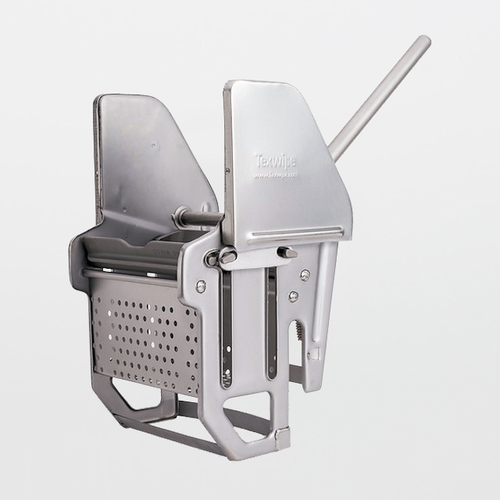
TX7043 is a stainless steel wringer designed for use with Texwipe’s AlphaMop™ rectangular mop buckets to support controlled, repeatable solution removal from flat mop covers during floors/walls/ceiling cleaning in critical environments. It is typically deployed where you need consistent liquid control (reduced dripping, reduced redeposition risk) and tighter process discipline during disinfectant application and removal.
For over 35 years, SOS and Texwipe have been close partners, and SOSCleanroom is the authorized Master Distributor of ITW Texwipe for the United States market. That relationship matters when you are standardizing mopping hardware: it supports continuity of supply, stable product lineage, and fast access to the manufacturer documentation your QA/QC team expects.
Published configuration (TX7043)
- Part number (SKU): TX7043
- Product type: Rectangular bucket wringer (AlphaMop™ accessory)
- Materials: Stainless steel (listed as stainless steel / 100% stainless steel; alloy grade not stated for the wringer)
- Published packaging: 1 wringer per case
- Published dimensions (SOS listing): 17" x 6.5" (43.2 cm x 16.5 cm)
- Application scope (as published): Cleaning walls, ceilings, and floors; applying and removing solutions including disinfectants; positioned for ISO Class 3–7 programs (system application guidance)
- Shelf life (as published for AlphaMop™ buckets/wringers/carts): Unlimited shelf life
Why the wringer matters in critical environments
A wringer is not just a convenience accessory—it is a process-control component. Standardizing wring-out technique reduces drip trails, improves wet-contact consistency, and lowers the chance of redepositing residues (disinfectant salts, surfactants, loosened soils) onto cleaned surfaces. Treat the wringer as part of your validated cleaning workflow and keep it paired to the correct bucket system to avoid fit issues and bypass behavior.
System compatibility (AlphaMop™ rectangular buckets and accessories)
Use this table to keep the wringer matched to the correct bucket/cart hardware and to support procurement standardization.
| Product number |
Description (as published) |
Packaging (as published) |
How it pairs with TX7043 |
| TX7043 |
Rectangular bucket wringer (stainless steel) |
1 wringer/case |
Wrings flat mop covers used with AlphaMop™ rectangular bucket setups |
| TX7054 |
Stainless steel rectangular bucket, 7 gallons (28 liters) |
1 per case |
Primary stainless bucket pairing for rectangular AlphaMop™ workflows |
| TX7060 / TX7061 / TX7062 |
Polypropylene rectangular buckets, 6 gallons (22 liters), color-coded (red/blue/green) |
1 per case |
Common for multi-bucket zone control (detergent/disinfectant/rinse separation) |
| TX7046 / TX7046E |
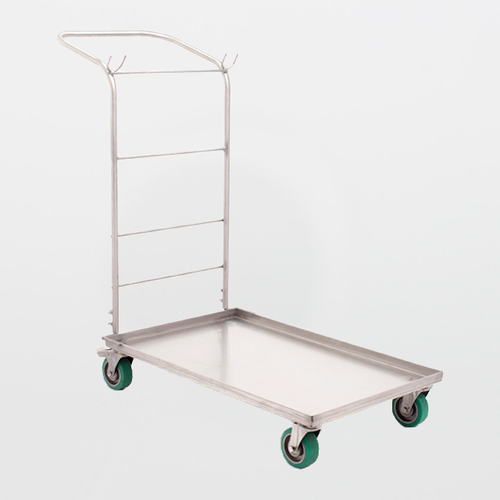
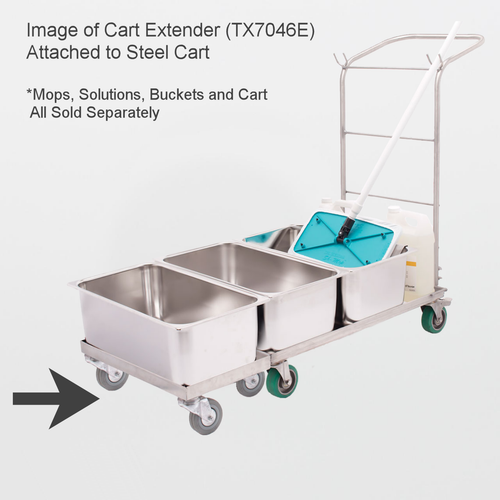
Stainless steel cart / cart extender for rectangular buckets |
1 per case |
Supports stable transport, staging, and spill control in multi-bucket workflows |
Practical cleanroom use guidance (technicians and engineers)
- Standardize the wring-out method: Use the same stroke count and pressure range for each pass. Over-wringing can force soils back into the mop cover and increase streaking on the next wipe path.
- Control cross-contamination: If running a multi-bucket protocol, assign dedicated covers/handles per solution step and do not “dip back” a used cover into a clean solution bucket.
- Edge and corner discipline: Use the wringer before approaching corners/returns to reduce dripping down vertical surfaces and to limit residue pooling at floor/wall interfaces.
- Glove discipline: Treat the wringer handle area as part of the cleaning tool chain. Avoid touching the wringer with solvent-wet gloves if your SOP requires controlled dry handling to prevent residue transfer.
- Sequence matters: Apply solution with controlled saturation, allow required wet-contact time (per disinfectant label/SOP), then remove with a clean cover and consistent wring-out to prevent redeposition.
Solution compatibility and residue control notes
- Disinfectants and cleaners: TX7043 is positioned for use while applying and removing solutions including disinfectants and common cleaners (including Texwipe’s TexQ, where used by the site).
- Residue prevention: Many disinfectants can leave films (salts/surfactants). Use your site’s approved rinse/removal step and consistent wring-out to minimize streaking and visible residue.
- High-chloride / aggressive chemistries: If your program uses high-chloride oxidizers or strong acids/bases, qualify the complete mop system (cover + bucket + wringer) under your exact concentration, dwell, and rinse practices to avoid staining, corrosion, or residue carryover.
- Autoclave/sterilization: Sterilization and autoclave suitability are not published for TX7043 on the product listing. If you require sterilized hardware, standardize only against items explicitly rated and validated for your sterilization method.
Process checklist table (use for training, audits, and repeatability)
This table is written for operator-level consistency and to reduce common failure modes (streaking, redeposition, uncontrolled dripping).
| Step |
What to do |
Why it matters |
| Pre-check |
Confirm the wringer is seated/secured and the bucket system is the intended rectangular configuration. |
Prevents bypass behavior (skipping wring-out) and reduces spill risk. |
| Load control |
After saturation, run a consistent wring cycle (same strokes/pressure) before approaching critical surfaces. |
Improves wet-film consistency and reduces drip trails and pooling. |
| Zone discipline |
If using multiple buckets, keep covers and solutions segregated (label/color-code per SOP). |
Reduces cross-contamination and supports GMP documentation/audit expectations. |
| End-of-run |
Remove visible soils from the wringer contact points per your cleaning SOP; rinse/wipe and dry before storage. |
Prevents residue build-up that can transfer onto the next cover and cause streaking or particles. |
Common failure modes
- Streaking / residue film: Often caused by inconsistent wring-out, overloaded covers, or inadequate removal/rinse steps for chemistry. Prevent with standardized strokes and solution-step discipline.
- Drip trails and pooling: Usually from skipping the wringer, rushing transitions, or moving too quickly between zones. Prevent by wringing before movement and controlling carry angle.
- Redeposition of loosened soils: Can occur when the same cover is reintroduced into clean solution or when wring-out forces soils back into the cover. Prevent by replacing covers at defined intervals and using the wringer as intended.
- Tool-chain contamination: Touching the wringer with contaminated gloves, staging on dirty floors, or storing wet can introduce residues/particles. Prevent with defined staging and dry-down practices.
Storage and handling best practices
- Keep the wringer dedicated to the intended cleaning area or room grade when your contamination control plan requires segregation.
- After use, remove visible residues, then dry completely before storage to reduce spotting, residue transfer, and odor issues in carts/closets.
- Do not store with abrasive tools that can scuff metal surfaces and generate fines; keep in a designated hardware area.
- During transport, stabilize the bucket/wringer assembly to prevent impact damage and to avoid splash contamination of adjacent zones.
Documentation
SOS-hosted Texwipe AlphaMop™ TDS (AlphaMop TDS _ ALL _ 2014):
Click HereTexwipe technical data sheet (Texwipe-AlphaMop-TDS.pdf, US-TDS-067 Rev. 3/22):
Click Here
Last updated: January 9, 2026
If you have any questions please email us at Sales@SOSsupply.com or give us a call at (214)340-8574.
Check out our AI ChatBot powered by SOSCleanroom data libraries - give it a try!
THE CHATBOT IS NEW FOR 2026!
© 2026 SOS Supply. All rights reserved.