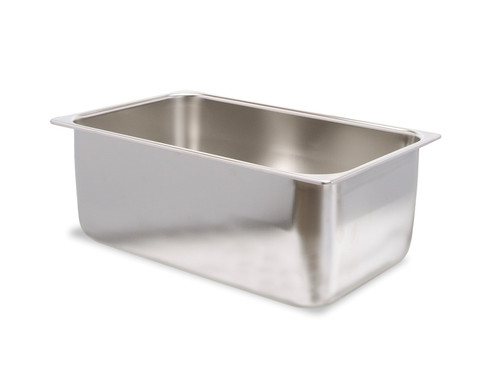
Texwipe TX7054 AlphaMop Stainless Steel Rectangular Bucket

$557.29
SKU: TX7054 3 - 4 Weeks
(No reviews yet)
Availability:
3 - 4 Weeks
Shipping:
Calculated at Checkout
Type:
Dry Mop
Quantity Option (Each):
1 Bucket

Texwipe TX7054 AlphaMop Stainless Steel Rectangular Bucket - 7 Gallon - 1 Bucket/Case

Texwipe TX7054 AlphaMop is a seamless, rectangular stainless steel bucket designed for controlled-environment cleaning applications. Manufactured from 100% Type 304 stainless steel, this durable 7-gallon bucket supports solution preparation, controlled dilution, and cleanroom mopping procedures in pharmaceutical manufacturing, biotechnology, semiconductor facilities, medical device production, and other contamination-sensitive environments.

Measuring 21" L x 13" W x 8" H (53 cm x 33 cm x 20 cm), TX7054 is designed for use with Texwipe AlphaMop and other compatible cleanroom flat-mop systems. Its seamless construction simplifies interior cleaning, while integrated volume markings support repeatable preparation of cleaning and disinfectant solutions. The stainless steel bucket is autoclavable, subject to facility-approved cleaning and sterilization procedures.

Cleanroom Cleaning Advantage: TX7054 combines seamless Type 304 stainless steel construction, a rectangular flat-mop-compatible design, and interior volume markings to support consistent cleaning-solution preparation and repeatable wet-mopping procedures. The bucket can be incorporated into dedicated cleaning, rinsing, or disinfectant application workflows according to facility SOPs.

Important Ordering Information: SKU TX7054 includes ONE stainless steel rectangular bucket only. Wringer, cart, cart extender, mop head, handle, pads, and mop covers are separate products and are not included. The current SOSCleanroom availability estimate is 3-4 weeks. Contact SOSCleanroom to confirm lead time before placing time-sensitive orders.

Specifications:
  • Manufacturer: ITW Texwipe
  • Product Family: AlphaMop
  • Part Number: TX7054
  • Product Type: Stainless Steel Rectangular Cleanroom Mop Bucket
  • Material: 100% Type 304 Stainless Steel
  • Construction: Seamless rectangular stainless steel bucket
  • Dimensions: 21" L x 13" W x 8" H (53 cm x 33 cm x 20 cm)
  • Published Capacity: 7 US gallons
  • Metric Capacity: Approximately 26.5 liters by standard US-gallon conversion; manufacturer literature also identifies 28 liters
  • Interior Features: Volume markings to support accurate dilution and solution preparation
  • Compatible Mop Systems: Texwipe AlphaMop and compatible rectangular flat-mop systems
  • Maximum Published Flat-Mop Compatibility: Up to 18" L x 9.5" W (45 cm x 24 cm), according to AlphaMop system documentation
  • Compatible Wringer: TX7043 stainless steel rectangular bucket wringer, sold separately
  • Compatible Cart: TX7046 stainless steel bucket cart, sold separately
  • Optional Cart Extender: TX7046E, sold separately
  • Autoclave: Stainless steel bucket hardware is described as autoclave safe by the manufacturer; validate the cycle before use
  • Published Cleanroom Applications: ISO Class 3-7 environments, subject to facility qualification
  • Sterility: Bucket is not supplied as a sterile product
  • Packaging: 1 bucket/case
  • Quantity Included: One stainless steel bucket only
  • Product Weight: 7 lbs, as listed by SOSCleanroom for shipping
  • Availability: 3-4 weeks, subject to current manufacturer availability

Capacity Clarification: The controlling manufacturer specification is 7 gallons. Seven US gallons equals approximately 26.5 liters, conventionally rounded to 27 liters. Some Texwipe technical literature and the current manufacturer product listing identify the bucket as 28 liters. These values should not be treated as exact equivalents. Where precise capacity, maximum fill level, or validated dilution volumes are required, confirm the applicable capacity and interior marking calibration with Texwipe before use.

About the Manufacturer:

Texwipe, an ITW company, develops contamination-control products for critical manufacturing environments. Its cleanroom mopping systems include specialized mop heads, handles, covers, stainless steel and polypropylene buckets, wringers, carts, and accessories designed to support controlled cleaning of floors, walls, ceilings, and equipment surfaces.

Texwipe AlphaMop bucket systems are designed around cleanability, material compatibility, solution preparation, and integration with cleanroom flat-mop equipment. The TX7054 stainless steel bucket provides a durable alternative to polypropylene bucket configurations where stainless steel construction is preferred by the facility's cleaning program.

SOSCleanroom is an authorized Master Distributor of ITW Texwipe, supporting customers with product selection, manufacturer documentation, compatible system components, technical assistance, and procurement planning. Our established relationship with Texwipe helps facilities maintain consistent product configurations and avoid unqualified substitutions in controlled cleaning programs.

TX7054 Features:
  • 100% Type 304 stainless steel construction
  • Seamless rectangular interior designed for easy cleaning
  • 7-gallon published capacity
  • 21" x 13" x 8" rectangular dimensions
  • Interior volume markings for solution preparation and dilution
  • Compatible with Texwipe AlphaMop and other appropriately sized cleanroom flat mops
  • Autoclave-safe stainless steel bucket hardware, subject to validated procedures
  • Compatible with separately available stainless steel wringer and cart accessories
  • Supports dedicated cleaning and disinfectant solution workflows
  • Suitable for evaluation in ISO Class 3-7 cleaning environments
  • Reusable construction for facility-controlled cleaning programs
  • One bucket supplied per case
TX7054 Benefits:
  • Durable Construction: Type 304 stainless steel provides a robust, reusable solution container for approved cleaning applications.
  • Improved Cleanability: Seamless construction reduces joints and crevices where residues and contaminants may accumulate.
  • Repeatable Dilution: Interior volume markings help personnel prepare cleaning and disinfectant solutions consistently.
  • Controlled Chemical Handling: Dedicated bucket assignments support separation of cleaning chemistries and reduce unintended residue carryover.
  • Flat-Mop Compatibility: Rectangular geometry accommodates Texwipe AlphaMop and other compatible flat-mop configurations.
  • Autoclave Capability: Manufacturer-described autoclave-safe hardware supports validated equipment preparation procedures.
  • Multi-Bucket Integration: Compatible accessories permit separate cleaning, rinsing, and disinfectant application stations.
  • Process Consistency: A defined bucket SKU, material, capacity, and accessory configuration support standardized cleaning procedures.
  • Long-Term Reusability: Proper cleaning, inspection, and maintenance help preserve the service life of stainless steel hardware.
Common Applications:
  • Cleanroom floor cleaning and wet-mopping procedures
  • Controlled cleaning of walls and ceilings using compatible flat-mop systems
  • Pharmaceutical manufacturing and sterile compounding facility cleaning programs
  • Biotechnology and biologics manufacturing environments
  • Semiconductor and microelectronics cleanroom maintenance
  • Medical device manufacturing and controlled production areas
  • Preparation and dilution of compatible cleaning solutions
  • Application and removal of approved disinfectants and detergents
  • Dedicated rinse-bucket workflows
  • Multi-bucket cleaning systems requiring separation of solution functions
  • Controlled-environment equipment and facility sanitation procedures
Best-Practice Use:
  • Inspect Before Use: Check the bucket interior, rim, volume markings, and exterior for damage, corrosion, contamination, or residual cleaning chemistry.
  • Maintain Dedicated Use: Assign buckets to specific cleaning chemistries, process steps, or controlled areas where required by the facility SOP.
  • Prepare Solutions Correctly: Follow the cleaning agent manufacturer's dilution instructions and approved preparation procedures.
  • Use Volume Markings Appropriately: Confirm the accuracy of volume markings for applications requiring precise chemical concentrations.
  • Avoid Uncontrolled Mixing: Do not combine incompatible disinfectants, detergents, or other chemicals inside the bucket.
  • Control Fill Levels: Avoid overfilling or exceeding the working volume established by the facility's procedures.
  • Use Compatible Wringer Hardware: Pair the bucket with TX7043 or other manufacturer-approved components where controlled liquid expression is required.
  • Prevent Cross-Contamination: Keep used mop covers and contaminated equipment separate from prepared cleaning solutions according to the facility's cleaning workflow.
  • Minimize Splashing: Use controlled mop movements and avoid aggressive agitation that may generate droplets or transfer contaminants.
  • Clean After Use: Empty, rinse, clean, inspect, and dry the bucket according to the approved cleaning procedure.
  • Store Properly: Keep the cleaned bucket protected from uncontrolled contamination until its next use.
Chemical Compatibility and Cleaning Guidance:

Type 304 stainless steel is commonly used for cleanroom cleaning equipment because it provides good corrosion resistance with many routine cleaning solutions. However, compatibility depends on the chemical formulation, concentration, temperature, exposure duration, and cleaning frequency.

  • Common Cleaners and Disinfectants: Texwipe identifies AlphaMop buckets for use with common disinfectants and cleaning agents, including TexQ. Verify each specific chemical formulation against stainless steel compatibility requirements before use.
  • Isopropyl Alcohol (IPA): IPA-based external wipe-down procedures may be appropriate for compatible stainless steel surfaces. Verify concentration, application method, required contact time, ventilation, and flammability precautions under the facility SOP.
  • Chlorine and Chloride Exposure: Chloride-containing solutions, including sodium hypochlorite, can contribute to pitting, staining, or crevice corrosion of Type 304 stainless steel. Compatibility must be evaluated, and prolonged contact or uncontrolled residue accumulation should be avoided.
  • Oxidizing and Acidic Chemicals: Certain concentrated oxidizers, strong acids, and other aggressive formulations may damage stainless steel. Follow the chemical manufacturer's material-compatibility guidance.
  • Contact Time: Do not leave cleaning solutions in the bucket beyond the exposure period approved for the chemistry and equipment.
  • Rinse Requirements: Rinse with the specified water quality when required by the chemical manufacturer's instructions and facility cleaning procedures.
  • Residue Removal: Remove residual disinfectant, detergent, salts, and visible films before preparing the next solution.
  • Drying: Allow the bucket to dry completely under controlled conditions to minimize water spotting, residue formation, and corrosion risk.
  • Surface Inspection: Inspect for rust-colored staining, pitting, scratches, rough surfaces, or persistent residues that could compromise cleanability.
  • Autoclave Preparation: Clean the bucket before autoclaving. Confirm cycle temperature, exposure time, drying requirements, and safe handling against the facility's validated process.

Important Chemical Compatibility Note: Type 304 stainless steel is not universally compatible with all disinfectants or cleaning agents. Chemical compatibility must be evaluated for the actual formulation, concentration, temperature, and exposure duration. Chloride-containing solutions and certain aggressive chemicals may cause corrosion or surface damage. The manufacturer's general suitability statements do not replace facility-specific chemical compatibility testing, cleaning validation, or established material qualification procedures.

Storage and Handling Recommendations:
  • Clean Storage: Store clean buckets in a designated area protected from dust, debris, and uncontrolled chemical exposure.
  • Dry Storage: Drain and dry the bucket after cleaning and before prolonged storage.
  • Damage Prevention: Avoid impacts, abrasive tools, or stacking methods that may scratch or deform stainless steel surfaces.
  • Chemical Segregation: Label dedicated buckets according to chemical family, process step, or assigned cleanroom zone.
  • Controlled Transfer: Introduce cleaned or sterilized bucket hardware into controlled areas according to the applicable transfer SOP.
  • Inspection Frequency: Establish periodic inspections for surface deterioration, corrosion, residue accumulation, and physical damage.
  • Handling Controls: Use approved handles, gloves, and transfer methods to avoid introducing contamination during movement.
  • Requalification: Reassess damaged or altered buckets before returning them to contamination-sensitive service.
Selection Notes (Stainless Steel vs. Polypropylene Bucket Systems)
  • Type 304 Stainless Steel: TX7054 provides durable, seamless construction and is suitable for facilities that prefer reusable stainless steel cleaning equipment.
  • Polypropylene Alternatives: Texwipe also offers 6-gallon rectangular polypropylene AlphaMop buckets in red, blue, and green configurations for color-coded cleaning programs.
  • Chemical Compatibility: Stainless steel and polypropylene have different chemical-resistance characteristics. Select materials based on actual cleaning-agent compatibility rather than general assumptions.
  • Cleaning and Inspection: Stainless steel provides a durable cleanable surface, but surface damage and retained residues can still affect contamination-control performance.
  • Autoclave Requirements: TX7054 is described as autoclave safe by Texwipe. Confirm that the intended cycle and handling procedure are appropriate before use in an aseptic cleaning program.
  • Multi-Bucket Programs: Facilities using separate application, rinse, or disinfectant solutions should establish dedicated bucket assignments and compatible cart configurations.
  • Wringer Compatibility: TX7043 is the corresponding stainless steel rectangular bucket wringer and must be purchased separately.
  • Cart Compatibility: TX7046 provides a transport platform, while TX7046E can extend the cart configuration for a three-bucket system.
  • Sterile Bucket Liners: Texwipe's published AlphaMop documentation identifies TX7099 sterile bucket liners as not recommended for TX7054.
  • Ordering Configuration: TX7054 is a single bucket per case, not a complete mop-and-bucket cleaning kit.

Important Application Note: A cleanroom-compatible or autoclavable bucket is not automatically sterile or qualified for every controlled environment. TX7054 is supplied as non-sterile stainless steel equipment. Suitability for ISO-classified environments, use with specific chemicals, sterilization procedures, and cleaning validation requirements must be determined by the facility. Follow approved SOPs for cleaning, solution preparation, transfer, sterilization when applicable, and controlled storage.

Compatible AlphaMop System Components:
  • TX7054: 7-gallon Type 304 stainless steel rectangular bucket - one bucket per case
  • TX7043: Stainless steel rectangular bucket wringer - sold separately
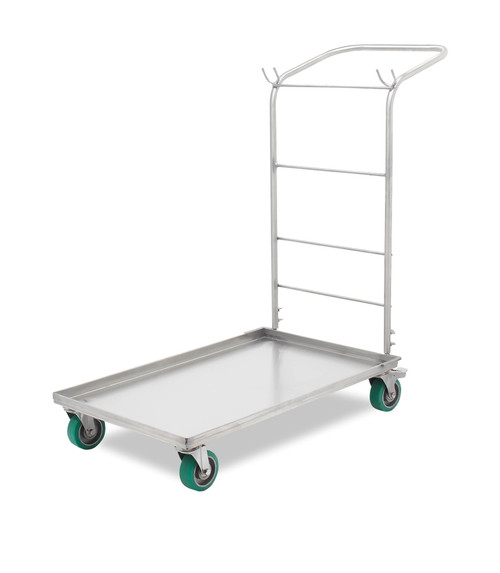
  • TX7046: Stainless steel bucket cart with casters - sold separately
  • TX7046E: Stainless steel cart extender for an expanded three-bucket configuration - sold separately
  • AlphaMop Heads and Covers: Compatible components must be selected according to mop size, cleaning procedure, and contamination-control requirements

System Configuration Reminder: Purchasing TX7054 does not include the wringer, cart, cart extender, mop head, mop handle, or mop covers. These components must be ordered individually to build a complete AlphaMop cleaning system.

Manufacturer Technical Documents:

Texwipe AlphaMop Technical Data Sheet (PDF - Includes Buckets, Wringers, and Carts): Click Here

Texwipe TX7054 Manufacturer Product Specifications: Click Here

Texwipe Cleanroom Mops and Bucket Systems Brochure (PDF): Click Here

Other Similar Products Available From SOSCleanroom.com

Compatible AlphaMop Rectangular Bucket Accessories

Other Stainless Steel Cleanroom Bucket Options

Cleanroom Mop System Documentation

Notes: Need assistance selecting a stainless steel cleanroom bucket, compatible wringer, cart, or complete AlphaMop system? Open the SOSCleanroom Technical Vault tab above for additional selection guidance, cleaning procedures, chemical compatibility considerations, and controlled-environment application information. Confirm the correct bucket configuration, accessory requirements, and current availability before ordering.

SOSCleanroom.com supports contamination-control programs with cleanroom mop systems, reusable cleaning hardware, sterile and non-sterile consumables, competitive pricing, and responsive technical assistance. Our team helps customers identify appropriate products for pharmaceutical manufacturing, biotechnology, semiconductor, medical device, and other controlled-environment operations.

Product description updated: October 15, 2026 (SOS Technical Staff)

© 2026 SOS Supply. All rights reserved.

The Technical Vault By SOSCleanroom
ISO 14644 Operations Control Type 304 Stainless Steel 7 US Gallon Capacity AlphaMop™ System Autoclavable Hardware Solution & Dilution Control

Texwipe TX7054 AlphaMop™: why this seamless stainless steel rectangular bucket matters in cleanroom cleaning programs

The Texwipe TX7054 AlphaMop™ Stainless Steel Rectangular Bucket is a reusable, seamless Type 304 stainless steel bucket designed for controlled-environment wet cleaning. Its rectangular construction, 7 US gallon nominal capacity, and compatibility with Texwipe AlphaMop™ equipment support repeatable cleaning of floors, walls, ceilings, and other approved surfaces.

The bucket is designed to support controlled preparation and application of disinfectants, detergents, and other approved cleaning solutions. Its seamless interior helps simplify cleaning, while interior volume markings support consistent solution preparation and dilution.

In pharmaceutical, biotechnology, semiconductor, medical device, and other critical environments, cleaning performance depends on more than the mop cover. Bucket cleanliness, solution concentration, chemistry segregation, wringer operation, and proper equipment storage can directly affect residues, microbial contamination control, and cleaning consistency.

Operations takeaway: TX7054 should be treated as a controlled cleaning-system component rather than a general-purpose utility bucket. Defined solution preparation, working fill limits, cleaning procedures, change-out intervals, and compatible mop hardware help maintain consistent cleaning performance.


ISO-first context: where mop buckets fit in cleanroom operations control

ISO 14644-5:2025 establishes an operational framework for maintaining contamination control through documented personnel practices, equipment management, material transfer, cleaning, and monitoring. Mop buckets are part of this system because they hold and distribute cleaning solutions that contact controlled surfaces.

The AlphaMop™ system is published for ISO Class 3–7 environments. This application positioning does not independently certify the bucket for every process within those classifications. Facilities must establish appropriate equipment cleaning, disinfection, sterilization where applicable, solution management, and material-transfer procedures.

Control point: A cleanroom bucket can become a contamination source when residual solution, incompatible chemistry, contaminated mop covers, or improper storage introduces particles, microorganisms, or chemical residues into a cleaning process.


Specifications (SKU controls for RFQs, SOPs, and receiving)
  • Product: Texwipe AlphaMop™ Stainless Steel Rectangular Bucket
  • Manufacturer: ITW Texwipe
  • Manufacturer part number: TX7054
  • Material: 100% Type 304 stainless steel
  • Construction: Seamless rectangular bucket
  • Nominal capacity: 7 US gallons (approximately 26.5 liters)
  • Published metric capacity: Manufacturer literature also describes the bucket as 27 L or 28 L depending on document revision and rounding.
  • Physical dimensions: 21" L x 13" W x 8" H (approximately 53 cm x 33 cm x 20 cm)
  • Interior features: Volume markings to support controlled solution preparation
  • Compatible mop systems: Texwipe AlphaMop™ and appropriately sized cleanroom flat mop systems
  • Published mop compatibility: Flat mops up to approximately 18" x 9.5" (45 cm x 24 cm), subject to system configuration
  • Compatible wringer: Texwipe TX7043 rectangular bucket wringer
  • Compatible cart: Texwipe TX7046 stainless steel bucket cart
  • Optional cart expansion: Texwipe TX7046E cart extender
  • Autoclave compatibility: Stainless steel bucket hardware is described as autoclavable; cycle suitability must be confirmed.
  • Published application environments: ISO Class 3–7
  • Packaging: 1 bucket per case
  • Quantity supplied: Bucket only; wringer, cart, extender, and mop components are separate products.

Capacity clarification: The controlling nominal capacity is 7 US gallons. This converts to approximately 26.5 liters. Manufacturer publications alternatively round or describe the capacity as 27 L or 28 L. For dilution and process documentation, use calibrated volume measurements rather than treating these rounded metric figures as exact equivalents.


Seamless Type 304 stainless steel construction

TX7054 uses Type 304 stainless steel, a commonly selected material for reusable cleaning equipment in controlled environments. Its seamless construction and smooth interior support routine cleaning and inspection.

  • Seamless interior: Reduces internal joints and seams where residual solution or debris may otherwise accumulate.
  • Type 304 stainless steel: Provides corrosion resistance for many common cleaning applications when used with compatible chemistry.
  • Reusable construction: Supports repeated cleaning and approved decontamination procedures.
  • Interior cleanability: Allows operators to inspect for dried residue, discoloration, deposits, and other visible contamination.
  • Rectangular geometry: Accommodates appropriately sized flat mop heads and compatible rectangular wringer equipment.
  • Dimensional consistency: Supports standardization of bucket stations, carts, mop covers, and cleaning procedures.

Material compatibility: Type 304 stainless steel is not universally resistant to every chemical. Chloride-containing solutions, aggressive acids, prolonged chemical exposure, or unsuitable cleaning practices can cause staining or corrosion. Confirm compatibility with the disinfectant or detergent manufacturer before standardizing a chemistry.


Solution capacity, volume markings, and dilution accuracy

Accurate solution preparation is essential when disinfectants and detergents require defined working concentrations. TX7054 incorporates interior volume markings intended to assist with measuring solution volume and maintaining repeatable preparation procedures.

  • Nominal capacity: 7 US gallons describes the published bucket capacity, not necessarily the recommended operational fill level.
  • Working fill volume: Establish a maximum working level that allows mop insertion, controlled wringing, transport, and appropriate spill prevention.
  • Volume markings: Use the interior markings as an operational aid and verify measurement accuracy where dilution tolerances are critical.
  • Concentrate measurement: Measure concentrates with approved dispensing equipment rather than relying on visual estimates.
  • Mixing procedure: Follow the chemical manufacturer's preparation sequence, concentration requirements, and safety instructions.
  • Solution identification: Label prepared solutions according to facility procedures, including concentration, preparation date, expiration, and responsible operator where required.
  • Change-out schedule: Establish solution replacement intervals based on manufacturer instructions, contamination loading, and the approved cleaning SOP.

Dilution control: A bucket with interior markings can support repeatability, but it does not replace calibrated measuring equipment when a validated process requires specific volumetric accuracy. Do not fill the bucket to its full nominal capacity if that compromises safe wringing, transport, or solution containment.


What TX7054 is designed to do (typical use cases)
  • Preparing and holding approved cleanroom cleaning solutions
  • Wetting compatible flat mop covers before controlled surface cleaning
  • Supporting disinfectant and detergent application procedures
  • Cleaning floors, walls, and ceilings in compatible controlled environments
  • Supporting single-bucket and multi-bucket cleaning methods
  • Separating cleaning, rinsing, and other approved solution stages
  • Supporting routine cleaning and disinfectant rotation programs
  • Providing reusable bucket hardware for qualified cleaning procedures
  • Supporting dedicated equipment configurations by area, room, or cleanliness classification

Application consideration: The bucket itself does not establish cleaning or disinfecting efficacy. Results depend on the selected chemistry, correct concentration, surface compatibility, contact time, mop-cover performance, and execution of the approved procedure.


Compatible AlphaMop™ System Components

TX7054 can be integrated with Texwipe AlphaMop™ rectangular bucket accessories to create a standardized cleanroom mopping station. The following components are available through SOSCleanroom and should be selected according to the required bucket count, cleaning method, and facility configuration.

System configuration: The TX7046 cart supports two stainless steel rectangular buckets, while the optional TX7046E extender enables a three-bucket stainless steel arrangement. Confirm physical compatibility, equipment quantities, and the complete cart configuration before ordering.

Ordering distinction: TX7054 includes the stainless steel bucket only. The TX7043 wringer, TX7046 cart, TX7046E extender, and any mop heads, handles, or covers must be ordered separately unless a specific bundled configuration is offered.


Single-bucket, two-bucket, and three-bucket cleaning workflows
  • Single-bucket method: A single designated solution is used under an established change-out procedure. Appropriate for workflows where the SOP permits one bucket.
  • Two-bucket method: Separate buckets may be assigned to cleaning solution and rinse water or another validated separation method.
  • Three-bucket method: Multiple buckets may be assigned to separate solution stages such as cleaning, rinsing, and final application, as specified by the facility.
  • Dedicated chemistry: Assign equipment to particular chemicals or approved cleaning stages when cross-contact presents a residue or compatibility concern.
  • Zone segregation: Label and separate equipment used in different rooms, areas, or cleanliness classifications when required.
  • Changeover control: Clean and inspect buckets and wringers before changing chemical types unless dedicated equipment is used.

Workflow selection: More buckets do not automatically improve cleaning effectiveness. The correct configuration is the one established by the facility's validated or otherwise approved cleaning method, contamination control strategy, and solution-handling requirements.


Best-practice use (solution control and cleaning consistency)
  1. Inspect the bucket: Check for damage, corrosion, residue, debris, and cleanliness before preparing a solution.
  2. Confirm equipment dedication: Verify the assigned room, cleaning stage, and approved chemistry.
  3. Prepare the solution: Measure water and cleaning concentrate according to the chemical manufacturer's instructions.
  4. Control working volume: Maintain sufficient headspace for mop handling, wringing, and safe transport.
  5. Identify the solution: Apply the required label and document preparation details where specified.
  6. Use compatible mop equipment: Confirm that the selected mop head, cover, and wringer fit the bucket.
  7. Wet the mop consistently: Establish defined immersion and wringing practices rather than allowing uncontrolled solution loading.
  8. Follow clean-to-less-clean flow: Use the documented cleaning sequence and prevent backtracking into cleaned areas.
  9. Maintain chemical contact time: Apply sufficient solution to achieve the disinfectant manufacturer's required wet contact time.
  10. Change contaminated solutions: Replace solutions when required by the SOP, manufacturer instructions, or observed contamination.
  11. Clean the equipment after use: Empty, clean, rinse when appropriate, inspect, and dry the bucket according to the approved procedure.
  12. Store correctly: Place the clean, dry bucket in its designated protected storage area.

Method standardization tip: Define five variables in the cleaning SOP: solution concentration, working fill volume, mop wetness, solution change-out interval, and bucket cleaning procedure. These controls help minimize variation between operators and cleaning shifts.


Autoclave compatibility and sterilization controls

Manufacturer literature describes the stainless steel AlphaMop™ bucket as autoclavable. This allows the bucket to be considered for cleaning programs that include validated steam sterilization of reusable equipment.

  • Material: Type 304 stainless steel construction is suitable for consideration in steam-sterilization processes.
  • Cycle approval: Confirm the manufacturer-supported temperature, exposure time, loading arrangement, and other relevant cycle requirements.
  • Pre-cleaning: Remove solution residues and contamination before sterilization according to the facility's approved process.
  • Drainage: Position the bucket to prevent retained liquid from interfering with the sterilization or drying process.
  • Accessory separation: Confirm that wringers, carts, wheels, and other components have their own approved sterilization instructions.
  • Post-cycle handling: Use safe handling procedures for hot hardware and protect sterilized equipment from recontamination.
  • Reintroduction: Transfer sterilized components according to the applicable cleanroom or aseptic material-transfer procedure.

Sterilization distinction: Autoclavable means the hardware is intended to tolerate an appropriate steam-sterilization process. It does not mean that the bucket arrives sterile or that any arbitrary autoclave cycle has been validated for the product. Use qualified cycle parameters and applicable sterilization records.


Cleaning chemistry compatibility and residue prevention
  • Disinfectant compatibility: Verify compatibility with the intended chemistry, dilution, contact time, and temperature.
  • Chloride exposure: Extended exposure to chloride-containing solutions may cause localized corrosion or pitting of stainless steel.
  • Acidic or aggressive cleaners: Review compatibility before using chemicals that may attack stainless steel surfaces.
  • Disinfectant rotation: Prevent incompatible chemical residues from mixing during changes between routine disinfectants and sporicidal agents.
  • Rinsing: Perform required rinsing or residue-removal steps according to chemical instructions and the facility SOP.
  • Inspection: Examine the interior, corners, rim, and other wetted areas for films, deposits, discoloration, or corrosion.
  • Drying: Prevent stagnant liquid or solution residues from remaining inside the bucket during storage.

Chemistry control: Do not assume that all cleanroom disinfectants are compatible with Type 304 stainless steel. Review each chemical's material-compatibility guidance, especially when using oxidizing agents, chlorine-containing compounds, strong acids, or extended soak times.


Bucket liners and sterile cleaning considerations

Bucket liners may be used in certain cleaning systems to provide a disposable interior barrier. However, not every liner is compatible with every bucket geometry, wringer, or cleaning method.

  • TX7054 compatibility: Manufacturer information identifies sterile bucket liners as not recommended for TX7054.
  • Fit considerations: A liner may interfere with bucket geometry, wringer placement, or flat mop movement.
  • Mechanical integrity: Improper liner fit can create tearing, shifting, or contamination-control concerns.
  • Solution compatibility: Any proposed liner must be compatible with the selected chemistry and operating conditions.
  • Sterile processing: Where sterile cleaning equipment is required, select a qualified preparation and transfer method.

Important compatibility warning: Do not assume that Texwipe sterile bucket liners are approved for TX7054 simply because they are listed within the broader mop-bucket product family. The published guidance does not recommend sterile bucket liners for this specific bucket. Confirm an approved alternative with the facility quality team when liner use is required.


Maintenance, inspection, and storage requirements
  • Daily inspection: Check the bucket interior and exterior for contamination, visible residue, staining, dents, and corrosion.
  • After-use cleaning: Remove spent solutions and follow the approved cleaning and rinsing procedure.
  • Rim and corners: Inspect areas where residual solution and contamination may accumulate.
  • Volume markings: Keep interior markings legible to support consistent solution preparation.
  • Equipment damage: Remove from service when damage compromises cleanability, safe handling, or chemical containment.
  • Dry storage: Store in a designated protected area after completing the required cleaning and drying procedure.
  • Area dedication: Prevent uncontrolled transfer of buckets between designated cleaning zones.
  • Periodic assessment: Include the bucket in the facility's equipment inspection, maintenance, and replacement program.

Maintenance control: A seamless design makes the bucket easier to inspect and clean, but it does not eliminate the need for routine cleaning, chemical compatibility review, and replacement when material condition or surface integrity becomes unacceptable.


Common failure modes and prevention
  • Incorrect dilution: Prevent with documented solution preparation, appropriate measuring tools, and concentration verification where required.
  • Overfilling: Establish a practical working fill limit to reduce splashing and spills during mop insertion or wringing.
  • Chemical carryover: Use dedicated equipment or approved cleaning procedures between incompatible solutions.
  • Residue redeposition: Replace contaminated solutions and clean the bucket after use.
  • Inadequate wet contact time: Confirm mop loading and application techniques support the required disinfectant contact time.
  • Corrosion: Verify chemical compatibility and inspect stainless steel surfaces for pitting or other deterioration.
  • Cross-zone contamination: Maintain cleaning equipment dedication and controlled movement between areas.
  • Improper sterilization: Follow approved procedures rather than assuming any steam cycle is suitable.
  • Incorrect accessories: Confirm wringer, cart, liner, and mop-head compatibility before implementation.

Misuse controls & when not to use TX7054
  • If the chemistry is incompatible: Select approved equipment materials or an alternative cleaning method.
  • If an approved sterile liner is mandatory: Do not assume compatibility with TX7054; evaluate another qualified bucket configuration.
  • If the mop head does not fit: Do not force oversized mop hardware into the bucket or wringer.
  • If the bucket is visibly damaged: Remove it from service when damage compromises cleanability, structural integrity, or containment.
  • If autoclave requirements are unverified: Do not expose the equipment to unapproved cycle conditions.
  • If the process requires sterile equipment: Do not treat an autoclavable, non-sterile bucket as ready for aseptic use without the required sterilization and transfer procedures.
  • If chemicals are being changed: Do not mix residual solutions or reuse equipment without completing the required changeover process.
  • If transport stability is inadequate: Use compatible carts and established handling procedures rather than moving overfilled buckets.

Recommended AlphaMop™ system pairing and configuration planning

TX7054 is most effective when integrated into a consistent cleaning system with correctly selected mop hardware, controlled solution preparation, and a documented cleaning workflow.

  • Bucket: TX7054 stainless steel rectangular bucket for the prepared cleaning or rinsing solution.
  • Wringer: TX7043 stainless steel rectangular wringer for controlled removal of excess liquid from approved flat mop covers.
  • Cart: TX7046 stainless steel cart for stable bucket transport and workstation organization.
  • Cart extension: TX7046E when an approved three-bucket stainless steel cleaning procedure is required.
  • Mop heads and handles: Select compatible Texwipe AlphaMop™ components according to the surfaces and cleaning technique.
  • Mop covers: Select the appropriate cleanroom or sterile mop cover according to the facility's requirements.
  • Cleaning chemistry: Use approved disinfectants, detergents, or other solutions according to manufacturer instructions and the facility SOP.

Why this matters: Bucket, wringer, mop cover, cart, and cleaning chemistry operate as one system. Uncontrolled substitutions can change solution loading, cleaning coverage, residue behavior, and the repeatability of the documented cleaning method.


Why buy Texwipe AlphaMop™ TX7054 from SOSCleanroom
  • Authorized Master Distributor: SOSCleanroom is an authorized Master Distributor for ITW Texwipe, supporting consistent product identification and access to manufacturer resources.
  • System configuration support: Customers can select compatible AlphaMop™ buckets, wringers, carts, and related accessories through SOSCleanroom.
  • Technical documentation: Available manufacturer technical data can support purchasing, receiving, and cleaning-program qualification.
  • Standardized procurement: Ordering by exact manufacturer SKU helps reduce incompatible substitutions and maintain established cleaning procedures.
  • Order planning: Contact SOSCleanroom for current availability, applicable lead times, and assistance coordinating the required cleaning-system components.

Manufacturer documentation (authoritative references)
  • SOSCleanroom TX7054 product page: Click Here
  • Texwipe TX7054 manufacturer product information: Click Here
  • Texwipe AlphaMop™ Buckets, Wringers & Carts Technical Data Sheet: Click Here
  • SOSCleanroom AlphaMop™ Technical Data Sheet: Click Here
  • Texwipe AlphaMop™ rectangular bucket product family: Click Here
  • ISO 14644-5:2025 Cleanroom Operations Standard: Click Here
  • EU GMP Annex 1: Manufacture of Sterile Medicinal Products: Click Here

Documentation control: Published AlphaMop™ documentation uses different rounded metric equivalents for the 7 US gallon bucket. Use the manufacturer's current product documentation, actual equipment markings, and applicable facility qualification records when establishing critical operating parameters.


If you have any questions please email us at Sales@SOSsupply.com or give us a call at (214)340-8574. OR check out the AI ChatBot powered by SOSCleanroom data libraries - give it a try! THIS IS NEW FOR 2026! © 2026 SOSCleanroom. All rights reserved.