The entry control most programs underestimate: using Texwipe CleanStep 18" x 46" mats to stop shoe and cart transfer before it becomes a yield event
The Technical Vault | By SOSCleanroom
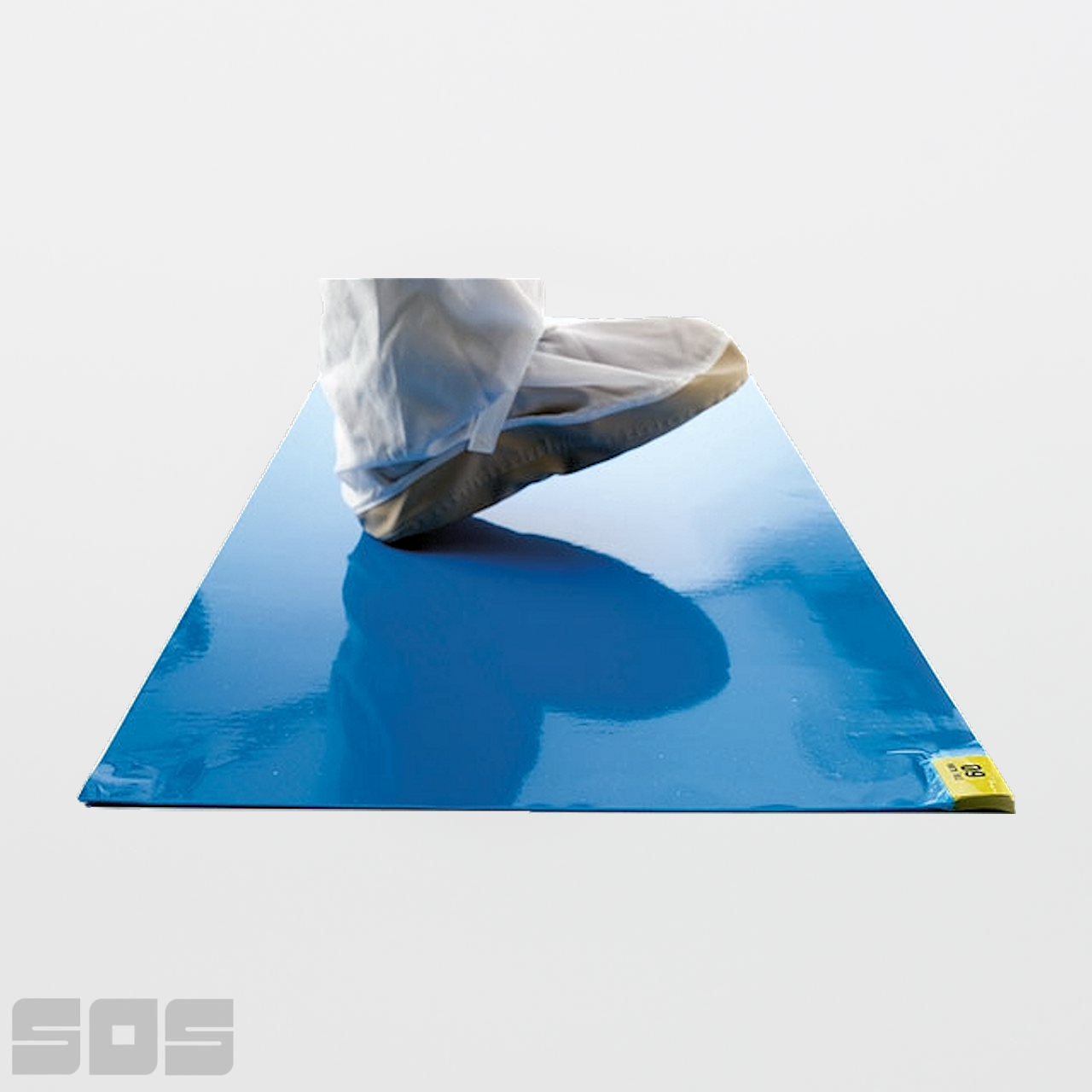
A sticky mat is not “just housekeeping.” It is a front-end contamination control that directly affects particle transport into the space you are trying to keep stable. When gowning is correct but particle counts still drift, the root cause is often simple: shoe tread and cart wheels are importing debris faster than your cleaning cadence removes it. The Texwipe CleanStep 18" x 46" Adhesive Sticky Mat is built for that high-traffic reality: longer walk-off coverage, peel-off layers for fast refresh, and operational cues (numbered tabs, lot control) that help teams keep the entry barrier consistent across shifts.
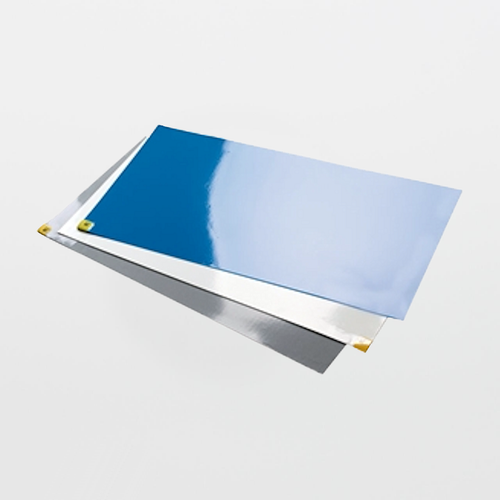
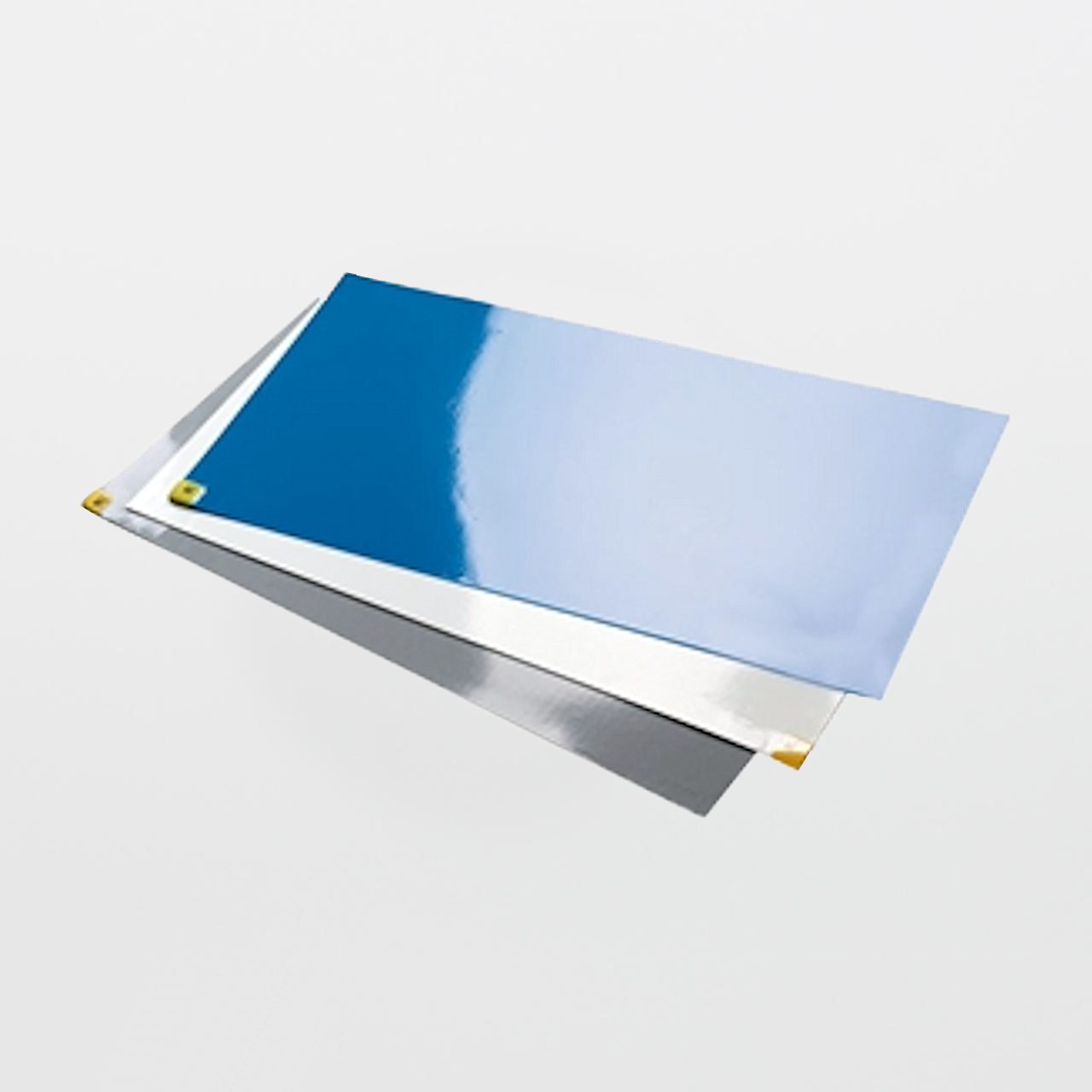
This SKU is AMA1846 and is supplied as a case of 8 mats, with 30 layers per mat (240 total layers/sheets per case). Mat color is blue.
The Operational Problem It Solves
Most mat failures are not material failures — they are use failures. The predictable ways adhesive mats stop working are:
- Overloaded top layer: the layer is visually “dirty,” but it is still being used because changing it feels wasteful.
- Wrong placement: too close to the door swing, too short for the traffic pattern, or bypassed by carts.
- Bad peel discipline: partial peels, torn corners, or adhesive exposed at edges creating trip/peel hazards and debris traps.
- No cadence ownership: no one owns “when to peel,” so the mat becomes inconsistent across shifts.
CleanStep addresses the “process” side of the problem with peel-off layers, numbered tabs for simple tracking, and a long format (18" x 46") that supports a more realistic walk-off zone.
What It’s For
CleanStep adhesive mats are used at cleanroom and controlled-area transitions to trap and retain particles from shoes and wheels using removable, adhesive-coated polyethylene sheets.
The 18" x 46" footprint is typically chosen for longer walk paths, cart and dolly traffic, and entry points where a shorter mat gets bypassed or saturated too quickly.
Decision Drivers (What Buyers Should Care About First)
- Layer strategy (240 total sheets per case): 8 mats per case, 30 peel-off layers per mat — supports frequent refresh without replacing the full mat body.
- Longer walk-off control: 46" length improves contact opportunity for tread patterns and wheel paths versus smaller formats.
- Numbered tabs: enables simple “peel cadence” controls and fast auditing of whether the mat is being maintained.
- Antimicrobial agent: intended to inhibit bacterial growth on the mat surface between changes (not a substitute for cleaning or a sterile control).
- Frame reality for this size: frames are sold separately, and no frame is available for 18" x 46" — plan placement and edge-control accordingly.
Materials and Construction: Practical Implications
Each CleanStep layer is an adhesive-coated polyethylene sheet designed to capture particles on contact and reduce transfer into controlled spaces. The operational advantage is not “stickiness” by itself — it is predictable peel-and-refresh so the entry control stays stable over time.
The antimicrobial feature is best treated as a risk-reduction layer for surface growth, not a sterility claim and not a replacement for environmental controls. If microbial control is the program driver, the mat is only one element (traffic flow, cleaning SOPs, gowning discipline, and EM plans do the heavy lifting).
A process reality check: adhesive mats can also become a contamination source if they are torn, partially peeled, or allowed to accumulate debris at edges. The mat has to be treated as a controlled consumable with an owner and a cadence.
Specifications in Context
| Product |
Texwipe CleanStep Adhesive Sticky Mat |
| Size |
18" x 46" |
| Color |
Blue |
| Layers / Sheets |
30 layers per mat; 8 mats per case; 240 total layers per case |
| SKU |
AMA1846 |
| Frames |
Sold separately; frame not available for 18" x 46" mats |
Practical interpretation: the long format improves particle pickup opportunity, but only if traffic is forced across the mat (no bypass paths) and peel cadence is defined and followed.
Performance Thinking: What “Works” Looks Like Operationally
- Placement controls outcome: position at the decision point (the point where traffic must cross) and orient for wheel paths and gait direction.
- Peel cadence is the real spec: define peel triggers (visual load, particle trend, shift change, or a timed interval). Numbered tabs exist to make this simple and auditable.
- Edge and corner integrity matters: torn edges become debris traps and trip hazards. If corners lift, replace the mat rather than “taping it down” in a critical area.
- Use mats to reduce burden, not replace cleaning: mats reduce transport; they do not remove the need for floor cleaning and traffic control.
Why Packaging and Traceability Matter
For consumables that directly affect environmental stability, traceability shortens investigations. When particle counts drift or a process step starts showing sporadic defects, teams need to answer: “Did traffic change, did cadence change, or did material change?” Mat lot traceability and consistent replenishment help prevent the most common failure: untracked substitutions during a supply squeeze.
Operational tip: treat mats as a controlled input — document location, change cadence, and any deviations the same way you would document a cleaning chemical change-out.
Best-Practice Use
- Place where traffic cannot bypass; align to wheel paths and entry flow.
- Define peel triggers (shift-based, time-based, or visual load) and make ownership explicit.
- Peel cleanly from the tab; avoid partial tears and adhesive exposure at edges.
- Do not “extend life” by stepping around the loaded area — peel the layer.
- Replace the entire mat if corners lift, edges tear repeatedly, or the mat becomes a debris trap.
Common Failure Modes—and How to Prevent Them
- Mat is too short for the workflow: choose longer formats (like 18" x 46") where traffic and wheels need more contact distance.
- Loaded layer kept in service: prevent with a written peel cadence and tab-based tracking.
- Bypass paths exist: prevent with layout changes, stanchions, signage, or relocating the mat to the true choke point.
- Damaged edges/corners: replace the mat; do not improvise fixes that add debris traps.
Closest Competitors (Category-Level)
Other peel-off adhesive mat systems (cleanroom-grade polyethylene layers, tabbed peel design, antimicrobial options). When comparing, the decision points that matter operationally are layer count, size/traffic fit, peel integrity, and how consistently your supply chain supports the exact mat you qualified.
If the program is highly regulated or extremely particle-sensitive, selection often comes down to standardization and control: the mat must be the same every reorder, and the placement/cadence must be defined and audited.
Where This Mat Fits in a Controlled Contamination Program
CleanStep mats sit at the front of the contamination-control stack: traffic control, entry discipline, and particle transport reduction. Use them to reduce the burden on downstream cleaning and filtration — then prove they are working by tying peel cadence and placement to your environmental monitoring trends and housekeeping SOPs.
Source basis
- SOSCleanroom product page: “Texwipe CleanStep 18" x 46" Adhesive Sticky Mats (240 Sheets)” (SKU AMA1846; case pack; color; product description statements; frame note).
- Texwipe CleanStep program statements referenced on the product listing (adhesive-coated polyethylene sheets; antimicrobial agent; numbered tabs; cleanroom/critical area positioning).
- General controlled-environment practice basis applied: traffic control, peel cadence ownership, and placement discipline as the primary drivers of mat effectiveness.