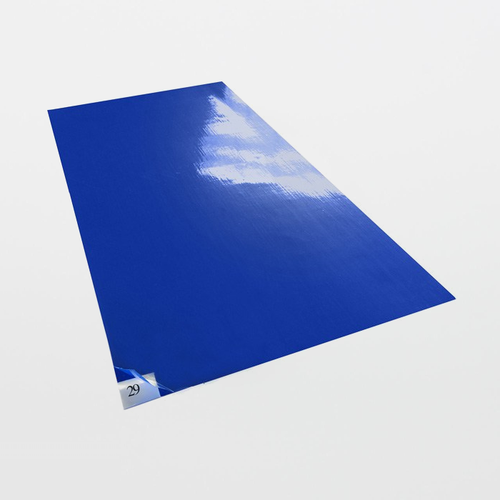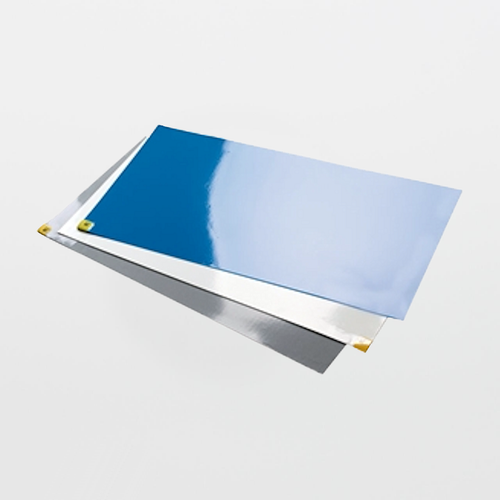
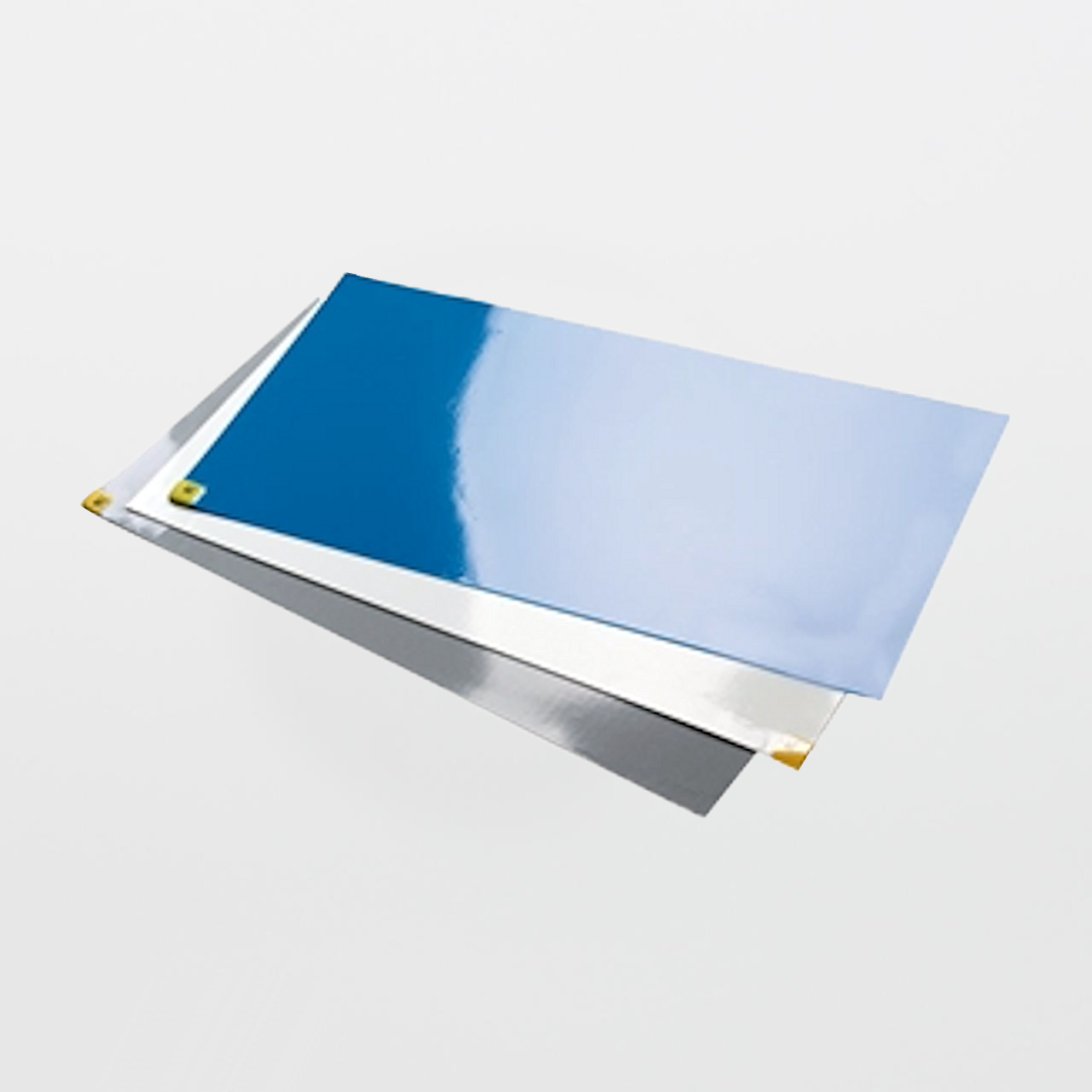
Texwipe CleanStep 36" x 46" Adhesive Sticky Mats (240 Sheets)

$267.79
(No reviews yet)
SKU:
AMA3646
Availability:
14 - 21 Business Days
Shipping:
Calculated at Checkout
Quantity Option (Case 30 Layer Mat):
8 Mats Per Case
Quantity Option (Case 60 Layer Mat):
4 Mats Per Case
Texwipe CleanStep 36" x 46" Adhesive Sticky Mats (240 Sheets)
Available Quantity Option: Case
Case Unit: 30 Layer Mat = 8 Mats/Case  |  60 Layer Mat = 4 Mats/Case

CleanStep is a preferred adhesive-mat system for cleanrooms and critical areas where foot- and wheel-borne particles are a recurring contamination source. Each mat is built with removable, adhesive-coated polyethylene sheets designed to trap and retain particulates to help reduce transfer into controlled zones. CleanStep mats also feature an antimicrobial agent (to help inhibit bacterial growth on the mat surface) and numbered pull-tabs to support consistent sheet-change discipline and inventory control.

This size (36" x 46") is commonly selected for primary entry lanes, gowning transitions, cart paths, and work-cell entrances where you need a larger capture footprint. Mat colors are typically offered in Blue or White. Matching CleanStep frames are sold separately; frames are described as lightweight, non-skid polystyrene designed to stay in place without adhesive and to allow easy relocation when portability is required.

Common Industries / Use Areas
Aerospace, cleanroom build and maintenance, biologics and pharmaceutical support areas, compounding pharmacy workflows, microelectronics, labs, print/photo studios, and other controlled environments where particle transfer control matters.

The sticky mat that fails quietly: how a 36" x 46" CleanStep capture zone prevents foot-borne particle transfer — when it’s installed and changed correctly

The Technical Vault  |  By SOSCleanroom

Adhesive mats are simple — and that’s why they are often misused. The “failure mode” is rarely that the mat doesn’t stick. It’s that the mat becomes loaded, gets walked around, gets peeled incorrectly, or is placed where it cannot intercept traffic. In those cases, the facility still feels protected because the mat is present, while particle transfer continues through the doorway on shoes and wheels.

The Texwipe CleanStep 36" x 46" Adhesive Sticky Mat is designed as a floor-level contamination-control capture zone for controlled areas. Its removable, adhesive-coated polyethylene sheets are built to trap particulates, and its numbered tabs support consistent sheet-change discipline — the operational control that determines whether the mat is a protective barrier or just a floor label.

The Operational Problem It Solves

Foot- and wheel-borne contamination is one of the fastest ways to push particles into a controlled zone — especially at transition points (gowning entrances, material transfer doors, maintenance corridors, cart lanes). The mat’s job is not “cleaning” in the wipe sense; it is capture at the boundary so particles don’t migrate further into the process.

  • Capture: adhesive-coated sheets trap loose particulates from shoes and wheels before they enter the controlled area.
  • Control: numbered tabs and layer counts support consistent sheet-change intervals (repeatability beats guesswork).
  • Coverage: 36" x 46" provides a larger footprint for higher-traffic entry lanes and cart paths where a smaller mat is easy to bypass.

What It’s For

CleanStep mats are used as adhesive capture zones in cleanrooms and critical areas to help reduce particulate transfer from foot traffic and wheeled traffic. They are commonly deployed at room transitions, gowning entries, work-cell entrances, and maintenance corridors feeding controlled spaces.

CleanStep frames (sold separately) are positioned as lightweight, non-skid polystyrene frames intended to hold the mat in place without adhesive and to support portability when mats must be moved between entrances or work zones.

Decision Drivers (What Buyers Should Care About First)

  • Footprint that matches traffic: 36" x 46" reduces “step-around” behavior and provides better interception in cart lanes and doorways.
  • Layer strategy: selectable 30-layer or 60-layer formats change change-out cadence and cost-per-sheet planning (see table below).
  • Adhesive sheet construction: removable, adhesive-coated polyethylene sheets designed to trap particles and reduce transfer.
  • Operational controls: numbered tabs support consistent peel discipline and inventory tracking.
  • Hygiene control layer: antimicrobial agent is positioned to help inhibit bacterial growth on the mat surface (useful for facility hygiene posture; not a substitute for cleaning SOPs).
  • System fit: frame choice and placement logic (sold separately) determine whether the mat stays flat, stays in lane, and remains usable in high-traffic areas.

Specifications in Context

Attribute Value Operational meaning
SKU AMA3646 Use for procurement control and lot/PO traceability.
Mat size 36" x 46" Larger capture footprint for higher traffic and cart lanes.
Total sheets 240 sheets Inventory planning and change-out cadence; tie to SOP intervals.
Layer options 30-layer or 60-layer Controls how frequently mats are replaced and how cases are staged.
Case units 30-layer: 8 mats/case
60-layer: 4 mats/case
Impacts storage footprint and replenishment frequency.
Color options Blue or White Visual control for zone segregation and “change-now” visibility.
Sheet construction Adhesive-coated polyethylene sheets Designed for particle capture; performance depends on peel discipline and loading.
Frames Sold separately Frame selection affects flatness, slip resistance, and portability.

Best-Practice Use: Installation, Change-Out, and Traffic Discipline

  • Place it where it intercepts traffic: center in the doorway or cart lane; avoid locations where people naturally step around it.
  • Define a change trigger: use a rule such as “change when visibly loaded,” “change on a schedule,” or “change after X entries,” then document it.
  • Peel correctly: lift using the numbered tab and peel slowly to avoid tearing and to reduce the chance of adhesive “snap-back” that can fling debris.
  • Prevent edge lift: ensure the mat lies flat; if edges curl, replace or use the matching frame strategy to maintain flatness and lane control.
  • Control cart behavior: require full wheel contact over the mat; partial contact reduces capture effectiveness.
  • Keep the boundary clean: mats reduce transfer, but they do not replace routine floor cleaning; align mat use with your floor SOPs.

Common Failure Modes—and How to Prevent Them

  • “Mat present, but traffic bypasses it”: prevent with correct placement and visual lane cues.
  • Sheets left on too long: loaded sheets stop capturing effectively and can transfer debris; prevent with defined change triggers and audits.
  • Fast peel / torn layers: can create messy edges and inconsistent surfaces; prevent with slow peel technique and training.
  • Edge curl / trip risk: prevent with correct surface prep, flat installation, and frame use where appropriate.
  • Assuming mats replace cleaning: mats are boundary capture; maintain routine cleaning and environmental controls.

Where This Mat Fits in a Controlled Contamination Program

CleanStep mats are a front-line control at the transition boundary. They reduce particle transfer from footwear and wheels, support visual management of housekeeping, and add repeatability when sheet changes are standardized. Pair them with floor-cleaning SOPs, defined traffic lanes, and receiving/storage controls so “the mat” doesn’t become an untracked variable when audits or investigations ask what changed.

Source basis
  • SOSCleanroom product page: Texwipe CleanStep 36" x 46" Adhesive Sticky Mats (240 Sheets) (SKU, case units by layer count, product description and application statements).
  • Product page details (mats: polyethylene sheets; antimicrobial agent; numbered tabs; frames: polystyrene, non-skid positioning; frames sold separately).