Texwipe CleanStep 25" x 45" Adhesive Sticky Mats (240 Sheets)

$187.44
(No reviews yet)
SKU:
AMA2545
Availability:
14 - 21 Business Days
Shipping:
Calculated at Checkout
Quantity Option (Case 30 Layer Mat):
8 Mats Per Case
Quantity Option (Case 60 Layer Mat):
4 Mats Per Case
Texwipe CleanStep 25" x 45" Adhesive Sticky Mats (240 Sheets)
Available Quantity Option: Case
Particle Control Numbered Tabs Antimicrobial Agent

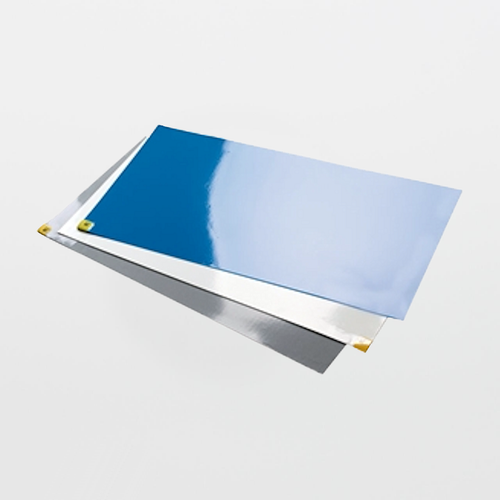
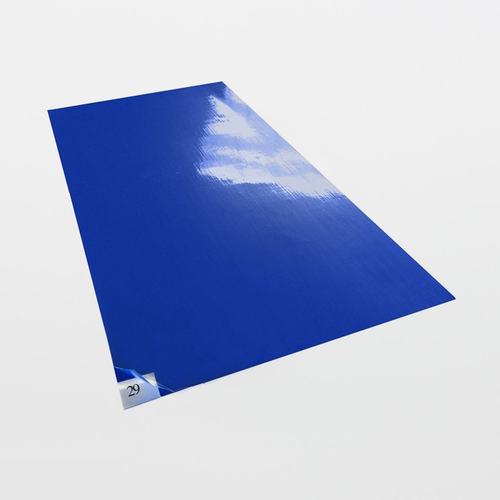
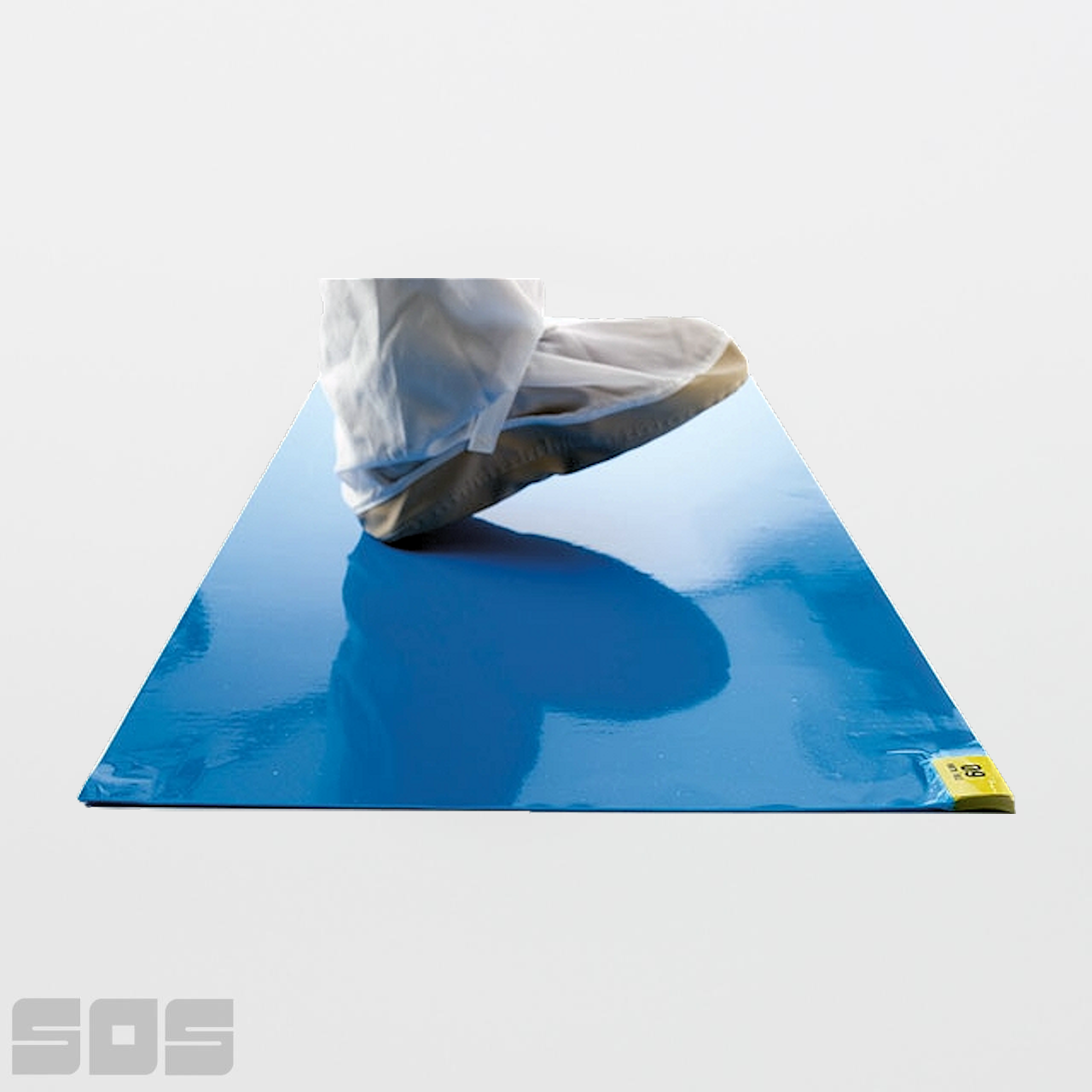
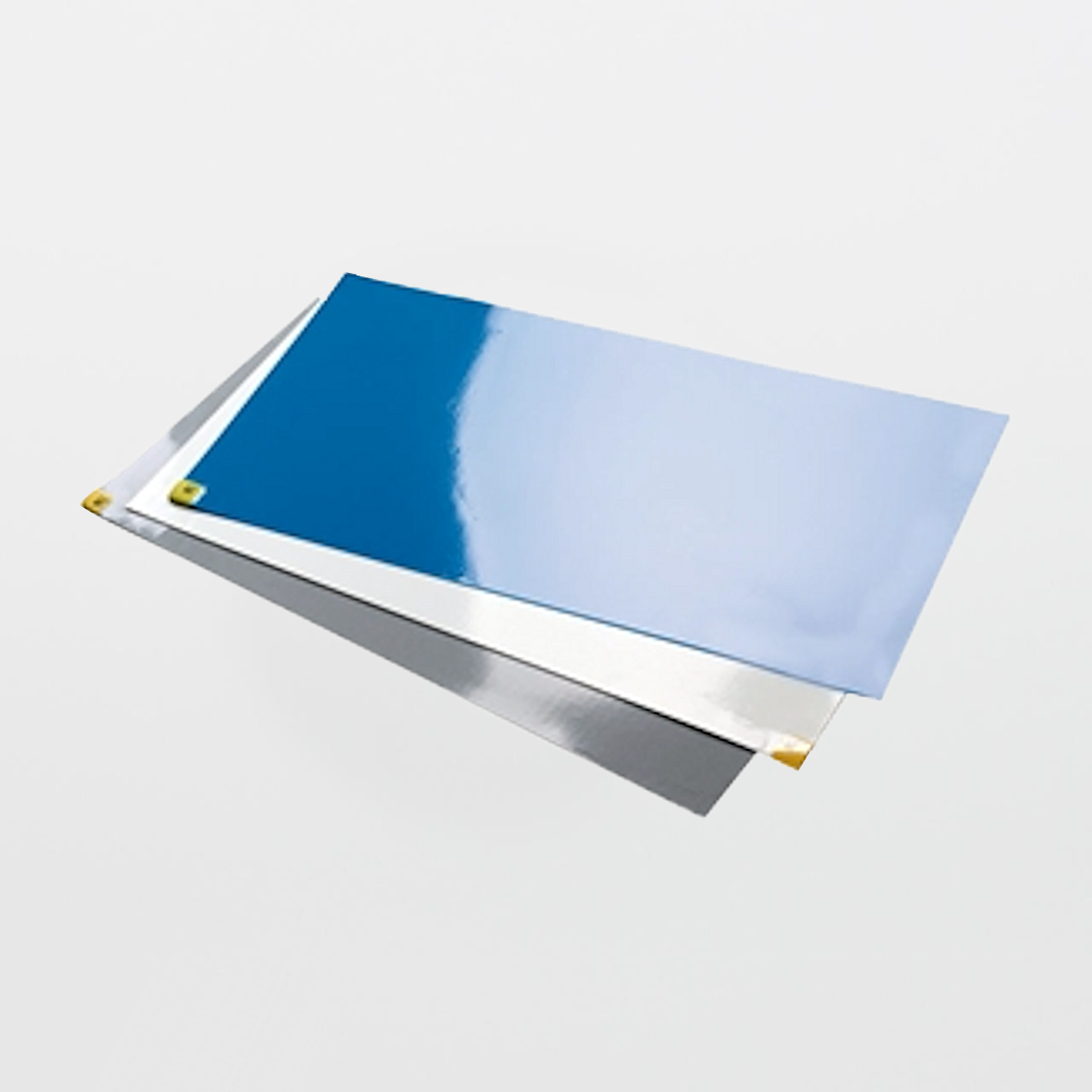
Texwipe CleanStep adhesive mats are designed to trap particles at gowning-room thresholds and other transition points where shoe and cart traffic can carry contamination into controlled areas. Each removable, adhesive-coated polyethylene sheet captures particles and helps prevent transfer, while numbered tabs simplify layer change-out and inventory control.

CleanStep mats also incorporate an antimicrobial agent intended to inhibit bacterial growth on the mat surface. Choose the configuration that matches your workflow: 30-layer mats (8 mats per case) or 60-layer mats (4 mats per case) — both delivering 240 total sheets per case. Colors are available in blue, gray, or white.

Case Configuration
30-Layer Mat Case 8 mats per case (240 total sheets)
60-Layer Mat Case 4 mats per case (240 total sheets)
Note on Frames Frames are sold separately. Texwipe describes lightweight, non-skid polystyrene frames that stay in place with a high-grade non-skid backing (no floor adhesive required).

Stop tracking contamination at the door: how CleanStep 25" x 45" mats reduce particle transfer without adding workflow friction

The Technical Vault  |  By SOSCleanroom

Adhesive mats are not “nice-to-have” in controlled programs — they are a traffic-control device for particles. Most facility contamination excursions tied to foot and cart traffic do not originate in the cleanroom; they originate at the boundary where people and equipment cross from a dirtier zone to a cleaner one. The Texwipe CleanStep 25" x 45" adhesive mat is built for that boundary: removable, adhesive-coated sheets designed to trap particles and reduce transfer into higher-control areas.

The operational win is repeatability. CleanStep’s numbered tabs and defined layer counts reduce “guesswork change-outs,” and the standard case configurations (30- or 60-layer mats) let teams match change frequency to traffic load instead of changing the mat only after the floor “looks dirty.”

The Operational Problem It Solves

Most gowning-room “particle control” failures are process failures, not material failures:

  • Carry-in risk: shoes and cart wheels pick up debris, then shed it in the cleaner zone.
  • Inconsistent change-out: mats stay in place too long because nobody owns the change frequency.
  • Improvised placement: mats move, curl, or get bypassed because the station isn’t designed around traffic flow.
  • Untracked drift: when contamination trends change, there is no record of when mats were replaced.

CleanStep targets these failure modes with adhesive sheets that trap particles and with numbered tabs that support disciplined layer tracking and replacement.

What It’s For

CleanStep mats are used at controlled-area boundaries to reduce particle transfer from foot traffic and wheeled carts. Typical placements include gowning-room exits, airlock transitions, material pass-through staging zones, and corridor-to-suite entries.

The 25" x 45" footprint is commonly selected where traffic lanes are wider or where carts need a longer contact path across the adhesive surface.

Decision Drivers (What Buyers Should Care About First)

  • Sheet construction and function: removable, adhesive-coated polyethylene sheets designed to trap particles and reduce transfer.
  • Layer discipline: choose 30-layer or 60-layer mats to match traffic load and change cadence.
  • Total sheet count by case: both case options provide 240 total sheets per case (30-layer: 8 mats; 60-layer: 4 mats).
  • Numbered tabs: supports controlled replacement and inventory management (less “we think it was changed yesterday”).
  • Antimicrobial agent: CleanStep is described as incorporating an antimicrobial agent intended to inhibit bacterial growth on the mat surface.
  • Frame strategy: frames are sold separately; Texwipe describes lightweight, non-skid polystyrene frames that stay in place using a high-grade non-skid backing, supporting portability without floor adhesive.

Materials and Construction: Practical Implications

Adhesive-coated polyethylene sheets: The operational goal is capture, not “stickiness.” A tacky mat works when it captures particles on first contact and then is replaced before the adhesive becomes loaded with soil. Overused mats become a re-release surface, especially when traffic loads exceed the planned change cadence.

Numbered tabs: This is a control feature, not packaging decoration. In practice, numbered layers support change-out logging (by shift, by day, or by traffic counts) and reduce the most common mat failure mode: “nobody knows when it was changed.”

Frames sold separately: If a mat is expected to stay flat, resist migration, and remain in the traffic path, the frame selection and placement plan matter. Texwipe describes non-skid polystyrene frames with high-grade backing for portable applications; teams should verify compatibility with their floor finish and cleaning agents and standardize placement to avoid bypass paths.

Specifications in Context

SKU AMA2545
Mat size 25" x 45"
Total sheets per case 240 sheets
Case options 30-layer: 8 mats/case  |  60-layer: 4 mats/case
Color options Blue, gray, white
Listed weight (shipping) 22.00 lbs

A practical selection rule: choose 30-layer when you want more frequent full-mat replacement (more mats per case) and choose 60-layer when change-outs are driven by high traffic and you want fewer frame resets. In either case, the success variable is the same: a defined replacement cadence that prevents loaded adhesive surfaces from becoming a re-release risk.

Performance in Real Use: What Matters Most

  1. Traffic path design: mats only work when traffic cannot bypass them. If carts can skirt the edge, the “mat program” becomes a false control.
  2. Change-out discipline: define a trigger (shift schedule, daily change, particle trending, or traffic count). Relying on appearance is the most common root cause of under-changing.
  3. Layer removal technique: peel cleanly using the numbered tab, remove the full layer, and avoid touching the adhesive face with gloves. Handling the adhesive surface transfers oils and reduces capture performance.
  4. Floor cleaning compatibility: verify that your floor cleaners and disinfectants do not soften adhesives or leave films that reduce mat tack. If mat performance changes after a janitorial chemistry change, treat it as a controlled-variable change and adjust the program.

Best-Practice Use

  • Place for compliance: install at the boundary where every person and cart must pass, not “near the door.”
  • Standardize the cadence: set change-out rules by zone and traffic level; log changes when the area is qualification- or audit-sensitive.
  • Control the peel: remove layers smoothly to avoid tearing and avoid dropping debris onto the next layer.
  • Use frames intentionally: if portability is required, standardize to compatible non-skid frames and verify floor finish compatibility.
  • Escalate when needed: if particle trends worsen, do not “add more mats” blindly; re-check traffic flow, cleaning chemistry changes, and whether the mat station is being bypassed.

Common Failure Modes—and How to Prevent Them

  • Loaded mats left in service: adhesive becomes a re-release surface. Prevent with a defined cadence and a documented owner.
  • Bypass paths: carts and shoes avoid the mat. Prevent with lane design and placement that forces contact.
  • Inconsistent peel technique: tearing layers or touching adhesive reduces performance. Prevent with simple work-instruction training.
  • Uncontrolled chemistry changes: floor cleaners/disinfectants change tack behavior. Prevent with change control and a quick performance check after chemistry changes.

Closest Competitors (Limited and Relevant)

3M adhesive entry mats (comparable footprints): often selected for traffic control programs; compare layer counts, tab/labeling controls, and how you standardize change-out discipline.

UltraTape / similar cleanroom tacky mats: viable in many programs; selection typically comes down to consistency, layer tracking controls, availability, and how well the mat integrates into your facility’s replacement SOP.

Where This Mat Fits in a Controlled Contamination Program

CleanStep mats are a front-end control. They reduce the particle load entering the area, which lowers downstream cleaning burden and helps stabilize particle trending. Treat the mat program like any other control: define placement, define cadence, define ownership, and keep the configuration consistent so investigations can isolate true process changes instead of consumable drift.

Source Basis