The Technical Vault By SOSCleanroom
Analytical Reagents | pH Control | USP Heavy Metals Testing | Quality Documentation | Chemical Safety
RICCA R0060100-1A: pH 3.5 Acetate Buffer Chemistry, USP Testing & Laboratory Qualification
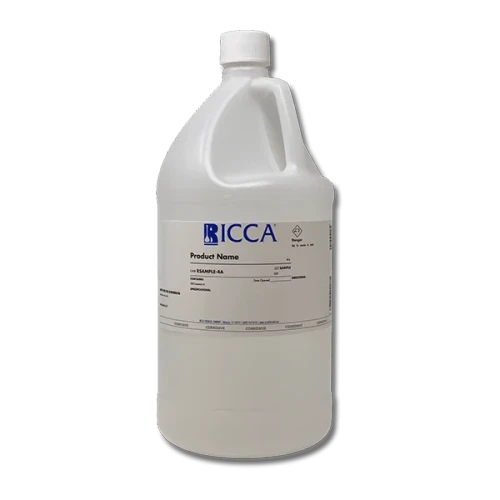
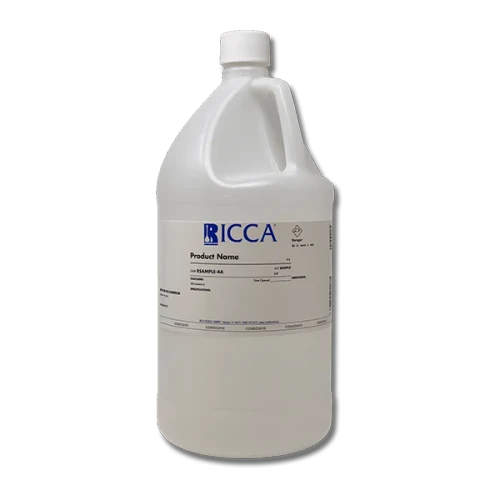
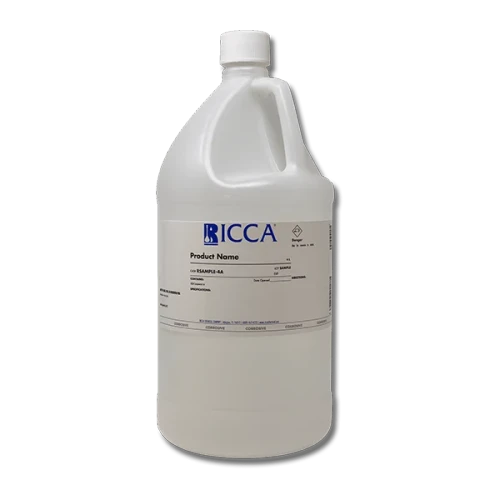
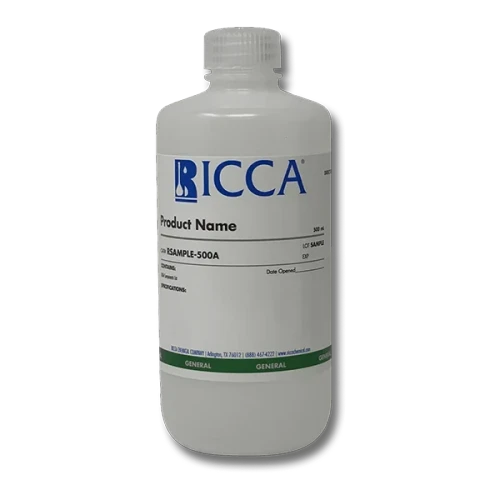
RICCA 60.1-32 (R0060100-1A) is a prepared acetate buffer solution identified for USP heavy metals testing. Supplied in a 1-liter natural polyethylene bottle, the reagent is intended for analytical procedures that require the specified pH 3.5 buffer formulation.
This Technical Vault addresses the solution's analytical purpose, reagent selection criteria, USP method considerations, chemical safety, contamination-control practices, and laboratory quality documentation.
Technical takeaway: Laboratory reagent suitability must be established using the current analytical method, manufacturer specification, and required lot documentation. Similar pH values alone do not establish interchangeability between buffer products.
1. Analytical Context: Why pH 3.5 Matters
pH influences chemical equilibria, metal-ion complexation, precipitation behavior, and reaction conditions. A method-specified buffer helps establish the chemical environment required for a controlled laboratory determination.
Acetate buffering systems resist changes in solution acidity within the limits imposed by their formulation, concentration, and buffering capacity. Temperature and the chemical composition of the test mixture can also influence effective pH control.
Qualification point: The nominal pH 3.5 designation does not independently establish certified pH tolerance, exact buffer capacity, or elemental impurity limits. Verify these separately when required by the method.
2. Specifications and Receiving Controls
- Manufacturer: RICCA Chemical Company
- Catalog Number: 60.1-32
- Part Number: R0060100-1A
- Reagent: Acetate Buffer Solution
- Nominal pH: 3.5
- Physical Form: Liquid
- Volume: 1 liter (1,000 mL)
- Container: Natural polyethylene bottle
- Purchase Quantity: One 1-liter bottle
- Application: USP heavy metals testing
Documentation rule: Verify that the received reagent identity, manufacturer lot, container, and labeling correspond to the purchase order and laboratory's approved material specifications.
3. Chemical Composition and Buffer Behavior
The referenced RICCA product-family Safety Data Sheet identifies water, ammonium acetate, and hydrochloric acid among the formulation components.
- Water: CAS 7732-18-5
- Ammonium acetate: CAS 631-61-8
- Hydrochloric acid: CAS 7647-01-0
The solution must be treated as a formulated mixture. A Safety Data Sheet may identify hazardous components but does not necessarily disclose all formulation concentrations or analytical quality requirements.
Technical limitation: Do not infer exact molarity, buffer capacity, or certified trace-metal impurity levels from the product name or SDS alone.
4. USP Heavy Metals Testing vs. Elemental Impurities
RICCA identifies this buffer for USP heavy metals testing. Historically, USP <231> addressed certain heavy metal impurities using chemical reaction and comparative test procedures.
Modern elemental impurities requirements use a different analytical framework. USP <232> addresses elemental impurity limits, while USP <233> addresses analytical procedures.
Method control: A reagent sold for USP heavy metals testing is not automatically qualified for current USP elemental impurities testing. Confirm the applicable chapter, monograph, approved method, and reagent requirements before use.
5. Best-Practice Laboratory Handling
- Receiving inspection: Verify bottle integrity, reagent labeling, catalog number, and lot identification.
- Material qualification: Confirm method compatibility and any required manufacturer documentation.
- Dispensing: Use clean, chemically compatible laboratory equipment.
- Contamination prevention: Minimize unnecessary opening and do not return unused dispensed solution to the original container.
- Storage: Keep the reagent tightly closed and follow current manufacturer instructions.
- Traceability: Maintain reagent records as required by approved laboratory procedures.
- Disposal: Follow the SDS, institutional chemical-waste requirements, and applicable regulations.
Analytical contamination note: When trace metals are measured, use suitably qualified dispensing equipment and collection vessels to avoid introducing sample contamination.
6. Chemical Safety and Transportation
The RICCA product-family Safety Data Sheet identifies significant chemical hazards and should be consulted for complete classifications, PPE, ventilation, emergency procedures, and storage conditions.
The referenced SDS lists the following U.S. Department of Transportation information:
- UN Number: UN2790
- DOT Proper Shipping Name: Acetic Acid Solution
- Hazard Class: 8 - Corrosive
- Packing Group: III
Safety notice: Review the current SDS applicable to the received material. Chemical handling, storage, shipping, and disposal must follow applicable facility and regulatory requirements.
7. Quality Documentation and Audit Readiness
Regulated laboratories should verify the required documentation before qualifying a reagent for testing.
- Safety Data Sheet: Chemical hazard and handling information.
- Product Specification: Manufacturer-defined acceptance requirements.
- Certificate of Analysis: Lot-specific analytical results when supplied and required.
- Lot Traceability: Identification connecting received reagent to laboratory use records.
- Expiration Information: Manufacturer labeling or lot-specific supporting documentation.
- Method Compatibility: Approval for the exact reagent requirements of the laboratory procedure.
Documentation rule: An SDS is not equivalent to a lot-specific Certificate of Analysis. Do not infer analytical certification or guaranteed impurity limits from safety documentation.
8. Selection Considerations
RICCA pH 3.5 Acetate Buffer: Select when the applicable method specifies this reagent and formulation.
Other acetate buffer formulations: Different pH values or chemical compositions may affect analytical results and should not be treated as direct substitutes without approval.
Certified pH calibration standards: Choose a product specifically qualified for pH instrument calibration when traceable calibration is required.
Cleanroom use: No sterile designation or ISO cleanroom compatibility certification has been established for this reagent in the referenced product information. Facility qualification may be required before introducing the material into a controlled environment.
9. Frequently Asked Questions
Is RICCA R0060100-1A ready to use?
Yes. It is supplied as a prepared reagent. Follow the approved test method for any additional verification or preparation requirements.
Is this a certified pH calibration buffer?
No calibration certification has been established for this product listing. Use an appropriate certified standard when required.
Can this reagent be used for USP <232> and <233>?
Suitability cannot be assumed from the product name. Verify the exact method and its reagent requirements.
What quantity does SOSCleanroom supply?
The published quantity option specifies one 1-liter natural polyethylene bottle.
What expiration period applies?
Confirm the current manufacturer labeling and applicable lot documentation. No universal shelf life is asserted here.
Is the reagent sterile or cleanroom-classified?
No such certification has been established in the referenced information. Any cleanroom use requires facility review and approval.
10. Manufacturer Documentation
RICCA Product-Family Safety Data Sheet: View SDS (PDF)
SOSCleanroom Product Listing: View Product
For controlled laboratory use, obtain required current SDS revisions, manufacturer specifications, and lot-specific documentation.
Why Source RICCA Laboratory Reagents Through SOSCleanroom?
- Manufacturer part number control: Source the correct reagent and packaging configuration.
- Technical documentation: Assistance identifying applicable manufacturer resources.
- Laboratory procurement: Purchase reagents alongside other laboratory and controlled-environment supplies.
- Repeat purchasing: Maintain consistent material identification for routine procurement.
For sourcing and technical documentation assistance, email Sales@SOSsupply.com or call 800-443-7101.
The Technical Vault By SOSCleanroom | October 12, 2026
© 2026 Specialty Optical Systems, Inc. (dba SOSCleanroom). All rights reserved.