The Technical Vault By SOSCleanroom
Analytical Reagents | USP Buffer Solutions | Acetate Chemistry | pH Control | Laboratory Quality Assurance
RICCA R0052500-1A pH 4.5 Acetate Buffer: USP Reagent Chemistry, pH Verification & Laboratory Qualification
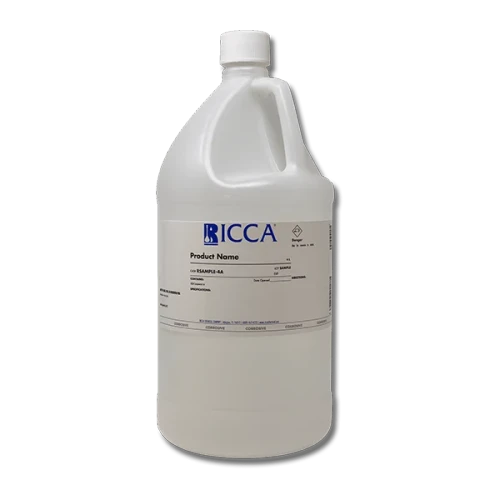
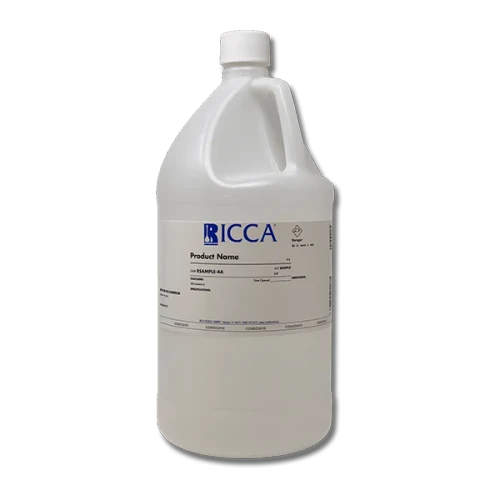
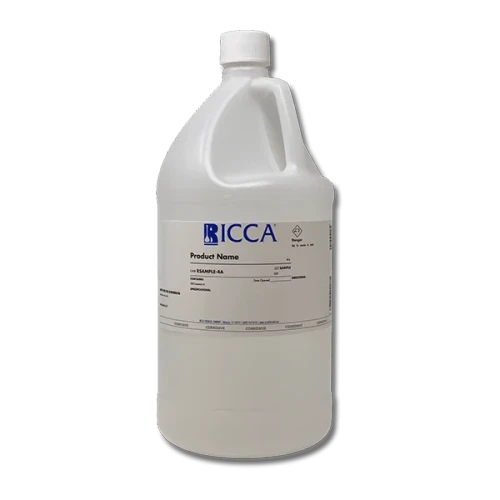
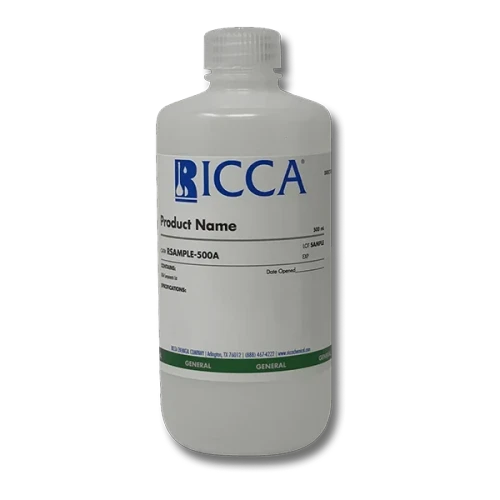
RICCA Chemical Company R0052500-1A is a prepared aqueous acetate buffer designated as a pH 4.5 USP Reagent. Supplied in a 1-liter natural polyethylene bottle, the solution is intended for laboratory procedures requiring this specific acetate buffer formulation.
The manufacturer's Product Specification establishes an acceptance range of pH 4.48-4.52 at 25°C, recommended storage at 15-30°C, and an unopened shelf life of 24 months. This Technical Vault provides detailed product chemistry, pH measurement guidance, compendial selection considerations, safe handling information, quality documentation requirements, and practical laboratory recommendations.
Technical Takeaway: RICCA R0052500-1A is a specifically formulated USP-referenced pH 4.5 acetate buffer containing sodium acetate trihydrate and acetic acid. Its narrow manufacturer pH specification and documented formulation distinguish it from other pH 4.5 buffers and from RICCA Acetate Buffer TS. Method compatibility must be confirmed before use.
1. Analytical Context: Understanding pH 4.5 Acetate Buffer
An acetate buffer is an aqueous solution containing an acetic acid and acetate-ion buffering system. The relationship between these components helps resist changes in pH when limited amounts of acid or base are introduced into the solution.
At approximately pH 4.5, acetate buffers operate in a region where the acetic acid/acetate equilibrium can provide useful pH control. Actual buffering performance depends on the acid-to-acetate ratio, total buffer concentration, temperature, and composition of the analytical mixture.
In laboratory testing, solution pH may influence the solubility, chemical stability, dissociation, and reaction behavior of substances being examined. Analytical procedures that specify a buffer are therefore controlling more than the nominal pH value alone.
Analytical Requirement: Use this reagent when the specified formulation is appropriate for the method. A comparable pH value does not prove equivalent chemical composition, buffer capacity, or analytical performance.
2. Verified Product Specifications
- Manufacturer: RICCA Chemical Company
- Product Name: Acetate Buffer, pH 4.5, USP Reagent
- Manufacturer Part Number: R0052500-1A
- Product Number: R0052500
- Nominal pH: 4.5
- pH Acceptance Range: 4.48-4.52 at 25°C
- Physical State: Liquid
- Appearance: Colorless liquid
- Relative Density: 1.00 (manufacturer SDS)
- Water Solubility: Miscible
- Container: Natural polyethylene bottle
- Package Volume: 1 liter (1,000 mL)
- Purchase Quantity: One (1) 1-liter bottle
- Unopened Shelf Life: 24 months
- Recommended Storage: 15-30°C (59-86°F)
- Recommended Use: General laboratory reagent
- GHS Classification: Not classified as hazardous
- DOT/IATA Transportation: Not regulated under the referenced SDS
Specification Control: The 4.48-4.52 range is the manufacturer's published acceptance criterion. Actual lot-specific results must be obtained from documentation associated with the received batch when required by the laboratory quality system.
3. Chemical Composition and CAS Identification
RICCA's Product Number R0052500 Safety Data Sheet identifies three mixture components and their stated weight percentages:
- Water: CAS 7732-18-5; 99.53% by weight
- Sodium Acetate Trihydrate: CAS 6131-90-4; 0.30% by weight
- Acetic Acid: CAS 64-19-7; 0.17% by weight
The RICCA Product Specification identifies ACS-grade sodium acetate trihydrate and acetic acid. Water is identified as ACS/ASTM/USP/EP grade.
Sodium acetate trihydrate provides the acetate salt component, while acetic acid supplies the weak-acid component. The finished solution is a chemical mixture with a defined manufacturer pH specification.
Chemical Identification: The complete buffer is not a single pure compound and should not be assigned one universal CAS number. Identify the finished reagent using manufacturer Product Number R0052500 and part number R0052500-1A.
4. pH Specification, Testing Methods and Traceability
RICCA specifies a pH acceptance range of 4.48-4.52 at 25°C for Product Number R0052500. The manufacturer's specification references its test methods SQCP027 and SQCP033.
The published product specification identifies NIST Standard Reference Materials used in support of the manufacturer's pH measurement program and describes traceability practices for volumetric equipment, balances, and thermometers.
- Specified pH: 4.48-4.52
- Measurement Temperature: 25°C
- Manufacturer Methods: SQCP027 and SQCP033
- NIST SRM References: 185i, 186-I-g, and 186-II-g
- Lot-Specific pH Result: Obtain from applicable lot documentation
The manufacturer's stated test temperature is important because a buffer's measured pH can vary with temperature. Laboratories performing incoming or in-use pH checks should follow an approved procedure and appropriately maintained measurement equipment.
Metrology Distinction: Manufacturer use of NIST-referenced materials and calibrated equipment does not automatically establish this finished reagent as a Certified Reference Material or certified pH meter calibration standard.
5. USP Reagent Applications and Method Compatibility
The manufacturer identifies R0052500 as Acetate Buffer, pH 4.5, USP Reagent. This designation supports identification for laboratory procedures that call for the applicable USP-referenced buffer formulation.
Pharmaceutical quality control laboratories may use specified buffer reagents in procedures where solution acidity affects analytical measurements, reaction conditions, or the behavior of a sample. Suitability depends on the precise method being performed.
A USP-referenced product name does not establish universal acceptance for all USP methods, all pharmaceutical applications, or all analytical sample matrices.
- Identify the applicable compendial chapter or individual monograph.
- Verify that the procedure specifies this buffer identity and formulation.
- Check pH, concentration, and any additional reagent acceptance requirements.
- Determine whether a manufacturer specification or lot-specific CoA is required.
- Evaluate substitutions through approved laboratory change-control procedures.
- Maintain records of reagent approval and use where required.
Method-Control Reminder: Reagent specifications support selection and qualification. They do not replace laboratory method verification, validation, system suitability, or other analytical controls required by the applicable procedure.
6. Storage, Shelf Life and Stability
RICCA specifies recommended storage at 15-30°C (59-86°F) and an unopened container shelf life of 24 months for R0052500-1A.
The Safety Data Sheet directs users to protect the reagent from freezing and physical damage. It identifies the solution as stable under normal conditions of use and storage and lists strong oxidizing materials among the incompatibilities.
- Temperature: Follow the recommended 15-30°C storage range.
- Original Container: Keep the bottle appropriately closed when not in use.
- Freezing: Protect the solution from freezing.
- Physical Damage: Protect bottles from impact, puncture, and leakage.
- Contamination: Use clean equipment and avoid returning dispensed material.
- Chemical Compatibility: Avoid strong oxidizers as indicated by the SDS.
- Expiration Control: Follow the manufacturer-assigned expiration date for the actual received lot.
- In-Use Dating: Apply laboratory-approved procedures after opening.
Shelf-Life Limitation: The manufacturer's 24-month shelf life applies to unopened containers. It does not automatically establish a 24-month usable period following opening or continued acceptability beyond the actual labeled expiration date.
7. Best-Practice Laboratory Handling
- Receiving Inspection: Verify part number R0052500-1A, 1-liter package size, labeling, and container integrity.
- Material Qualification: Confirm the product meets applicable analytical method and laboratory quality requirements.
- Storage: Maintain the manufacturer's recommended temperature conditions.
- Dispensing: Use clean, chemically compatible pipettes, containers, and transfer equipment.
- Contamination Prevention: Avoid returning unused dispensed buffer to the original stock bottle.
- pH Verification: When required, use an approved measurement procedure and appropriate temperature controls.
- Traceability: Record lot identification, opening information, and reagent usage under the laboratory SOP.
- Disposal: Follow the current SDS, local regulations, and institutional chemical-waste requirements.
Laboratory Quality Recommendation: Standardize procurement using the complete manufacturer part number. Do not approve a different acetate buffer solely because its label also states pH 4.5.
8. Chemical Safety and Transportation Classification
The RICCA Product Number R0052500 Safety Data Sheet identifies the solution as not classified as hazardous under the referenced GHS criteria. The solution is described as non-flammable and non-corrosive, although minor skin or eye irritation is possible.
- GHS Classification: Not classified as hazardous
- Signal Word: None required
- GHS Pictograms: None required
- DOT Ground Transportation: Not regulated
- IATA Air Transportation: Not regulated
- Canadian TDG: Not regulated
- Eye Protection: Safety glasses or goggles
- Hand Protection: Chemical-resistant gloves
- Ventilation: Normal room ventilation identified as adequate in the SDS
- Fire Hazard: Not considered a fire or explosion hazard
The absence of a GHS hazardous classification does not eliminate the need for standard laboratory chemical hygiene, appropriate personal protective equipment, or facility-approved spill and waste procedures.
Safety Notice: Consult the current manufacturer SDS for complete safe-handling requirements. The referenced RICCA SDS revision is dated May 7, 2026.
9. Quality Documentation and Audit Readiness
RICCA publishes a Product Specification for R0052500 describing formulation components, pH requirements, applicable testing methods, packaging, storage, and shelf life.
- Product Specification: Establishes the manufacturer's general acceptance criteria and packaging information.
- Safety Data Sheet: Identifies composition, physical properties, hazards, handling, and transport information.
- Certificate of Analysis: Documents applicable analytical test results for a specific manufacturing lot when available.
- Lot Traceability: Connects the purchased reagent to laboratory receiving and testing records.
- Expiration Records: Establishes applicable dating from manufacturer labeling or lot documentation.
- Analytical Method Approval: Confirms the reagent has been evaluated for the specific testing procedure.
- Change Control: Provides documented oversight of substitutions or method-impacting changes.
The publicly available Product Specification identifies the lot as SAMPLE and does not report actual test results for the lot received by a customer. It therefore must not be treated as a lot-specific Certificate of Analysis.
Audit Point: If a lot-specific CoA is required, request the certificate corresponding to the exact received lot. Manufacturer specification limits should not be misrepresented as measured results for an individual bottle.
10. Acetate Buffer Selection and Product Differences
RICCA R0052500-1A, pH 4.5 USP Reagent: Sodium acetate trihydrate/acetic acid buffer with a published pH specification of 4.48-4.52 at 25°C. Supplied in a 1-liter natural polyethylene bottle.
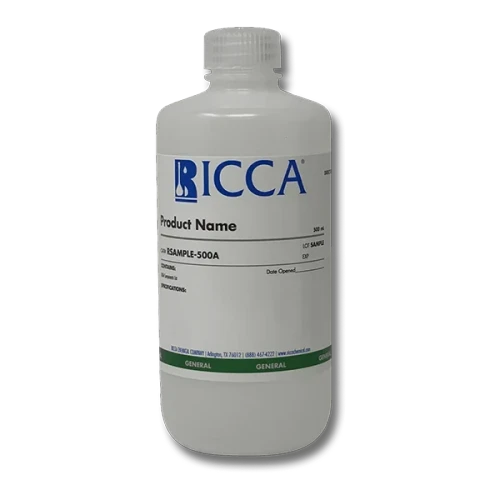
RICCA R0052500-500A: The 500 mL natural polyethylene configuration of the same R0052500 product family, covered by the same published product specification.
RICCA R0052000-1A, pH 4.5 for Cyanide Determination: A separately identified acetate buffer for cyanide analysis. Similar nominal pH does not establish equivalent formulation or method suitability.
RICCA 62-32 / R0062000-1A, Acetate Buffer TS: A separately formulated test solution with a manufacturer pH acceptance range of 5.90-6.00 at 25°C.
RICCA 60.1-32 / R0060100-1A, pH 3.5 Acetate Buffer: A separate buffer product identified for USP heavy metals testing with a different nominal pH.
Selection Principle: Purchase by the exact analytical method, reagent formulation, manufacturer part number, and required packaging configuration. Nominal pH alone is insufficient to establish product equivalency.
11. Frequently Asked Questions
What is the verified pH of RICCA R0052500-1A?
The manufacturer publishes an acceptance range of pH 4.48-4.52 at 25°C. The actual test result for a received lot must be confirmed from applicable lot documentation.
What chemicals are used to formulate this buffer?
RICCA's SDS identifies water, sodium acetate trihydrate, and acetic acid.
Is the product ready to use?
Yes. The product is supplied as a prepared aqueous reagent. Follow the approved analytical procedure for any additional required steps.
Does USP Reagent mean it is suitable for every USP method?
No. Verify the exact current compendial method, monograph, and reagent requirements before use.
Is this a certified pH calibration standard?
No such certification is established in the referenced product specification. Use a separately qualified pH calibration standard when required.
Can it replace RICCA Acetate Buffer TS?
No direct interchangeability is established. Acetate Buffer TS Product Number 62 has different chemical and pH specifications.
What is the unopened shelf life?
RICCA specifies 24 months for unopened containers. Confirm the expiration date for the received manufacturing lot.
How should the solution be stored?
Recommended storage is 15-30°C. Protect from freezing, contamination, and physical damage.
Is the solution hazardous for transportation?
The manufacturer's referenced SDS lists the formulation as not regulated under DOT, IATA, and Canadian TDG transportation requirements.
How many bottles are included in one SOSCleanroom order unit?
The SOSCleanroom purchase option identifies one (1) 1-liter bottle.
Does the manufacturer Product Specification provide a lot-specific CoA?
No. The publicly available specification lists a SAMPLE lot number. Request the actual lot-specific certificate when required.
Is the solution sterile or ISO cleanroom-certified?
No sterile or ISO cleanroom classification is established in the referenced manufacturer documentation. A facility must separately assess and qualify use in a controlled environment.
Why Source RICCA Laboratory Reagents Through SOSCleanroom?
- Accurate Product Identification: Source the intended reagent using the manufacturer's complete part number.
- Laboratory Procurement: Obtain analytical solutions alongside other laboratory and controlled-environment supplies.
- Documentation Assistance: Request available manufacturer specifications, Safety Data Sheets, and lot information.
- Controlled Purchasing: Support repeat procurement with consistent material identification and package quantities.
- Technical Selection Support: Obtain assistance distinguishing similarly named buffer products and bottle configurations.
For technical sourcing and manufacturer documentation assistance, contact Sales@SOSsupply.com or call 800-443-7101.
The Technical Vault By SOSCleanroom | Information reviewed October 12, 2026
© 2026 Specialty Optical Systems, Inc. (dba SOSCleanroom). All rights reserved.